
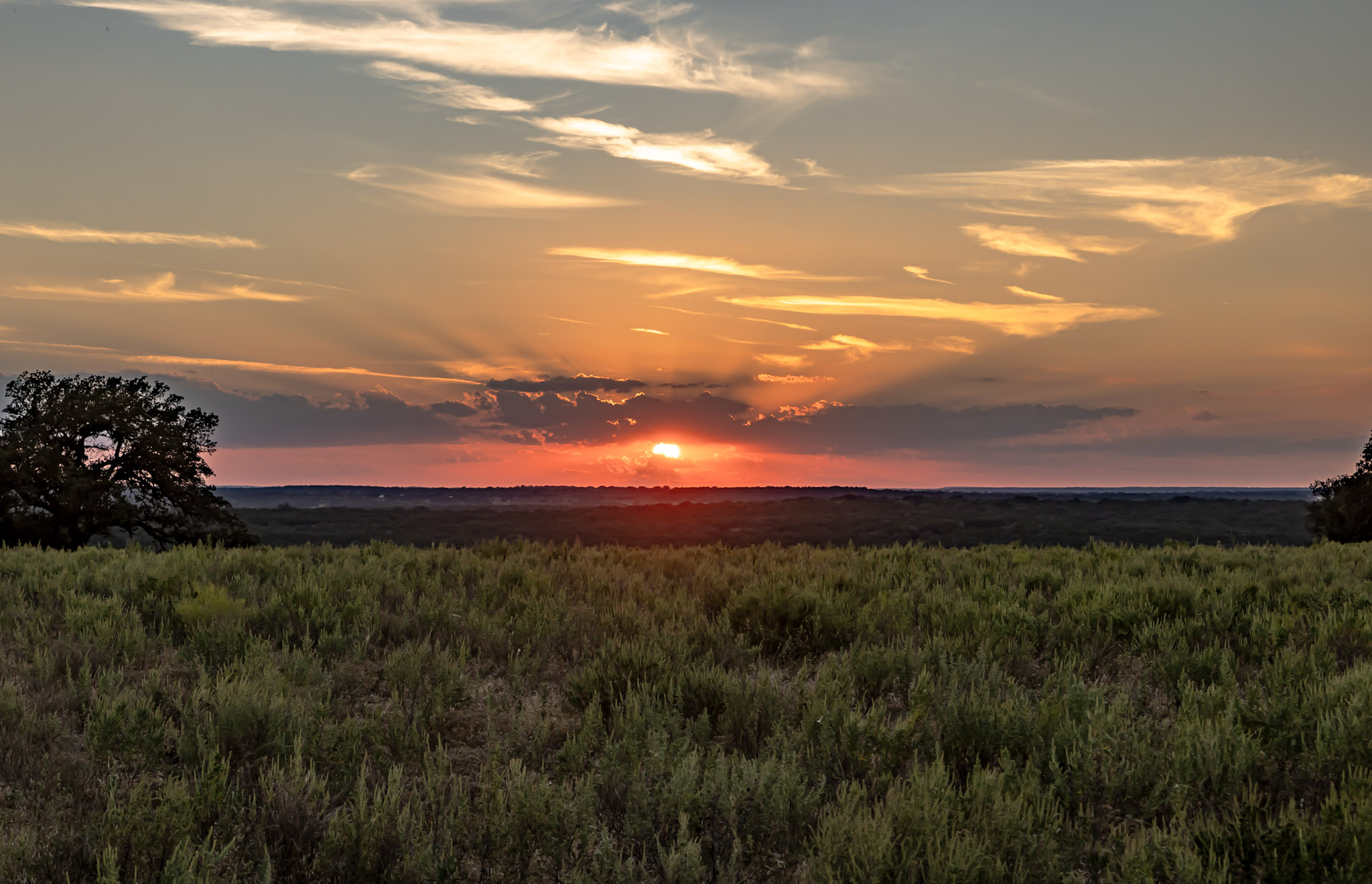
Conservation Awareness: How Hunters Protect the Outdoors
When people think about conservation, they often picture national parks, wildlife biologists, or environmental organizations. But one of the most important and consistent forces behind wildlife conservation in the United States is often overlooked:
For generations, hunters have played a critical role in protecting wildlife habitat, supporting healthy animal populations, and funding conservation efforts across the country. Hunting is not just a tradition or outdoor recreation — it is deeply tied to land stewardship and the long-term health of our natural resources.
In this article, we’ll explore how hunters contribute to conservation, why hunting supports wildlife management, and how responsible hunters help preserve the outdoors for future generations.

Hunters Are One of the Largest Conservation Funding Sources
One of the most significant ways hunters support conservation is through direct financial contributions.
Hunting licenses and conservation funding
Every time a hunter purchases a hunting license, tags, or permits, those dollars help fund:
- Wildlife research
- Habitat restoration
- Public land access
- Conservation law enforcement
- Species recovery programs
In fact, state wildlife agencies rely heavily on these funds to manage wildlife populations effectively.
Hunters are not just participants in the outdoors — they are investors in it.
The Pittman-Robertson Act: A Conservation Success Story
Hunters also contribute through federal excise taxes on firearms, ammunition, and archery equipment.
This funding comes through the Pittman-Robertson Wildlife Restoration Act, one of the most successful conservation programs in history.
These funds have helped restore species such as:
- White-tailed deer
- Wild turkey
- Elk
- Waterfowl
- Pronghorn
Thanks to hunter-supported conservation, many species that were once in decline are now thriving.
Hunters Help Manage Healthy Wildlife Populations
Wildlife management is essential to maintaining balance in ecosystems. Without responsible harvest and population control, many species can exceed the land’s carrying capacity.
Why population management matters
When animal populations grow too large, it can lead to:
- Habitat destruction
- Increased disease transmission
- Starvation during drought or winter
- Higher vehicle collisions
- Negative impacts on other species
Regulated hunting helps wildlife agencies maintain sustainable populations and protect overall ecosystem health.
Hunters play a key role in ensuring wildlife remains healthy — not just abundant.
Hunters Protect and Improve Wildlife Habitat
Many hunters are also landowners, leaseholders, or active habitat managers. They work year-round to improve the land, not just during hunting season.
Common habitat improvements hunters support
- Food plots and native forage restoration
- Water development (ponds, guzzlers, wetlands)
- Brush management and invasive species control
- Prescribed burning for habitat renewal
- Conservation easements and land protection
These efforts benefit far more than game species — they support songbirds, pollinators, and entire ecosystems.

Ethical Hunting Encourages Respect for Nature
Hunting builds a unique connection between people and the outdoors. Ethical hunters understand firsthand:
- Where food comes from
- The importance of wildlife habitat
- The value of clean water and healthy land
- The responsibility of stewardship
Many hunters view hunting not as taking, but as participating in the natural cycle — with gratitude and respect.
This mindset fosters conservation awareness in a way that lasts a lifetime.
Hunters Support Conservation Organizations and Community Efforts
Beyond licenses and taxes, hunters donate millions each year to conservation groups such as:
- Ducks Unlimited
- Rocky Mountain Elk Foundation
- National Wild Turkey Federation
- Quail Forever
- Local habitat and landowner associations
These organizations protect habitat, restore wetlands, and expand conservation access nationwide.
Hunters often lead the charge in grassroots conservation efforts.
Conservation Is Strongest When Hunters and Landowners Work Together
The future of conservation depends on partnerships between hunters, landowners, and wildlife professionals.
Private landowners provide critical habitat for wildlife, especially in states like Texas where most land is privately owned.
Hunters help make habitat management economically possible through:
- Hunting leases
- Land stewardship investments
- Supporting rural land conservation
When done responsibly, hunting can be one of the strongest tools for keeping land wild, healthy, and productive.
Final Thoughts: Hunters Are Essential to Conservation
Hunters are not separate from conservation — they are central to it.
Through funding, habitat work, ethical wildlife management, and a deep respect for the outdoors, hunters help protect the landscapes and wildlife we all value.
Conservation is not just about preserving nature from afar. It’s about actively caring for it, supporting it, and ensuring future generations inherit healthy wild places.
Hunters have been doing exactly that for decades — and their role has never been more important.


Read More...
_4096KB.jpg)
A landowner's guide to identifying revenue potential in idle acreage and stacking multiple income streams — farming leases, hunting access, marketplace bookings, and Section 180 savings — through BirdDog.
_4096KB.jpg)
A plain-English explanation of the Section 180 tax deduction for landowners, who qualifies, realistic savings ranges by acreage, and how BirdDog has helped generate over $30 million in savings.
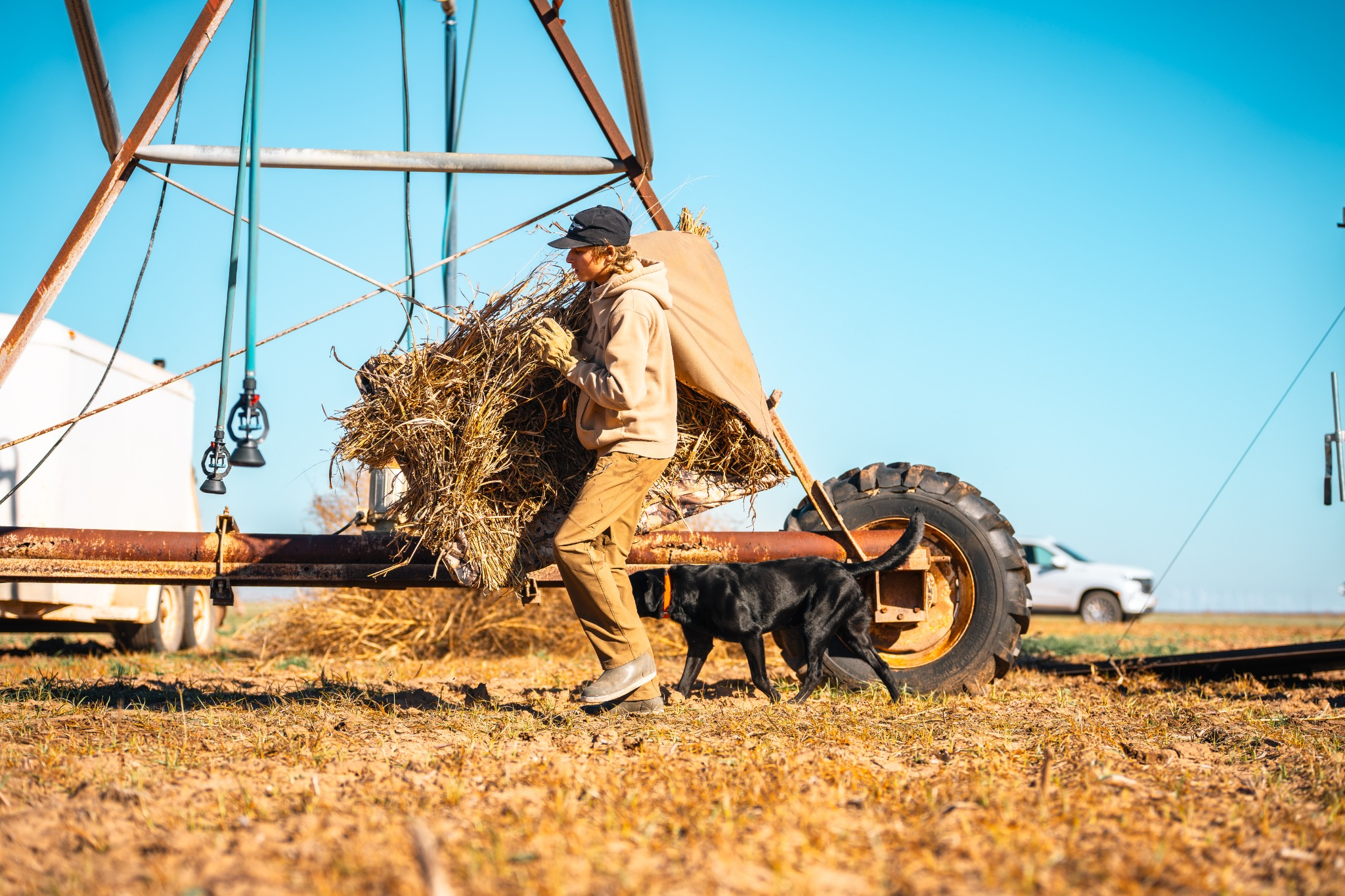
Get your Texas hunting property ready for fall with this landowner checklist. Cover food plots, stand placement, water, and trail cameras before season opener.