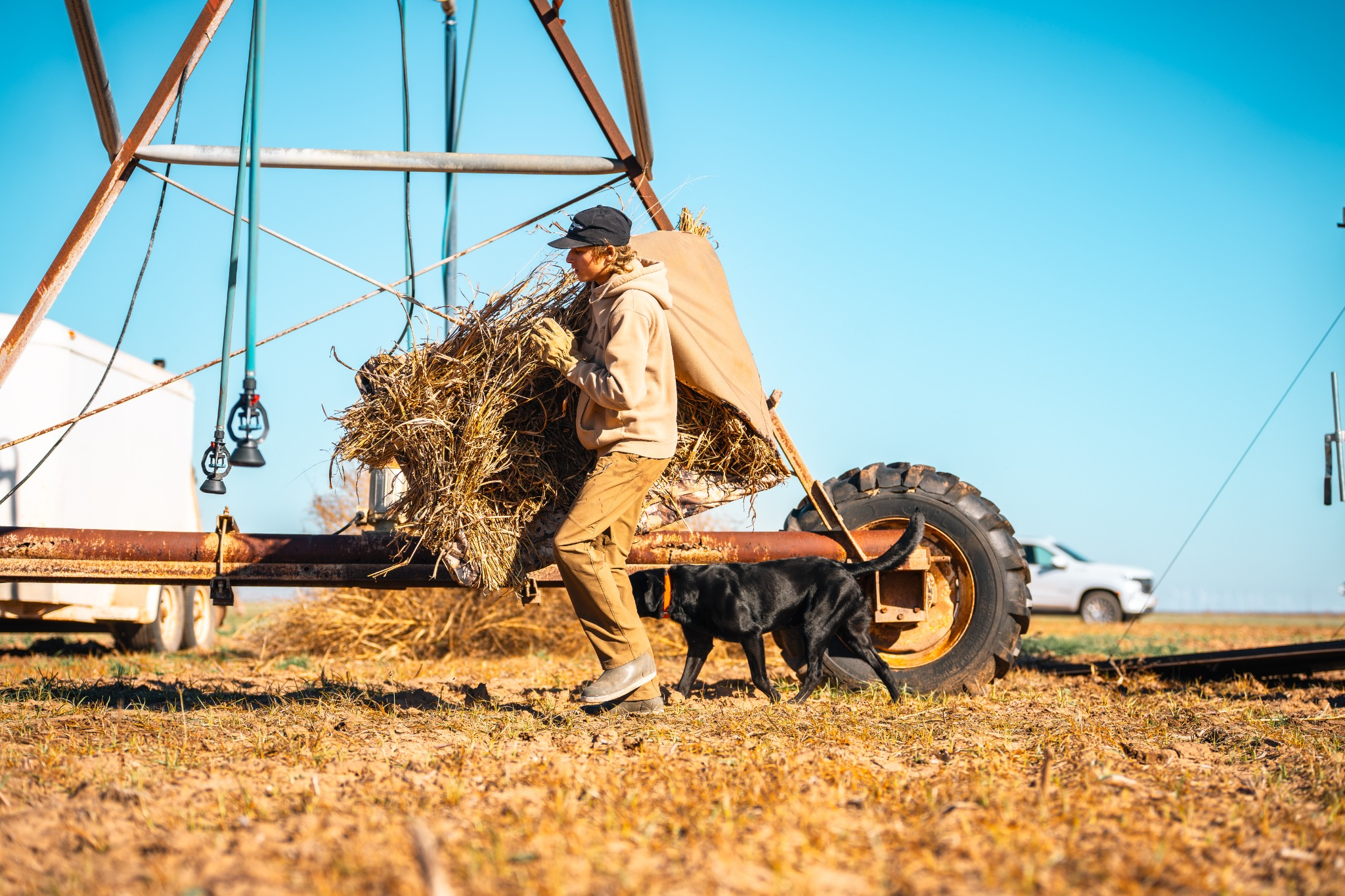
December Hunting Best Practices

Safety, Comfort, and Success

December Hunting Best Practices: Safety, Comfort & Success in the Late Season

December marks one of the most exciting periods of the hunting year. Cooler weather, shifting wildlife behavior, and reduced hunting pressure create prime opportunities across Texas and beyond. Whether you're heading out for whitetail, hogs, waterfowl, or upland birds, late-season hunting requires strategy, preparation, and the right mindset.

This guide breaks down the best December hunting practices to help you stay safe, stay comfortable, and stay successful—all while making the most of your time in the field through BirdDog’s private land access opportunities.

1. Prioritize Safety in Cold Weather Conditions

December hunting often means early-morning freezes, slick terrain, and unpredictable weather patterns. Taking proper precautions keeps your hunt enjoyable—and safe.

Cold Weather Hunting Safety Tips

  • Dress in layers to prevent overheating on the hike in and freezing in the stand
  • Use moisture-wicking base layers to avoid sweat-related chill
  • Carry hand warmers, gloves, and an insulated hat
  • Check weather forecasts for wind chill and sudden fronts
  • Let someone know your hunt location and expected return time
  • Keep your phone and headlamp fully charged

Even in Texas, December hunts can bring unexpected cold snaps. Proper planning ensures your comfort and safety all day.
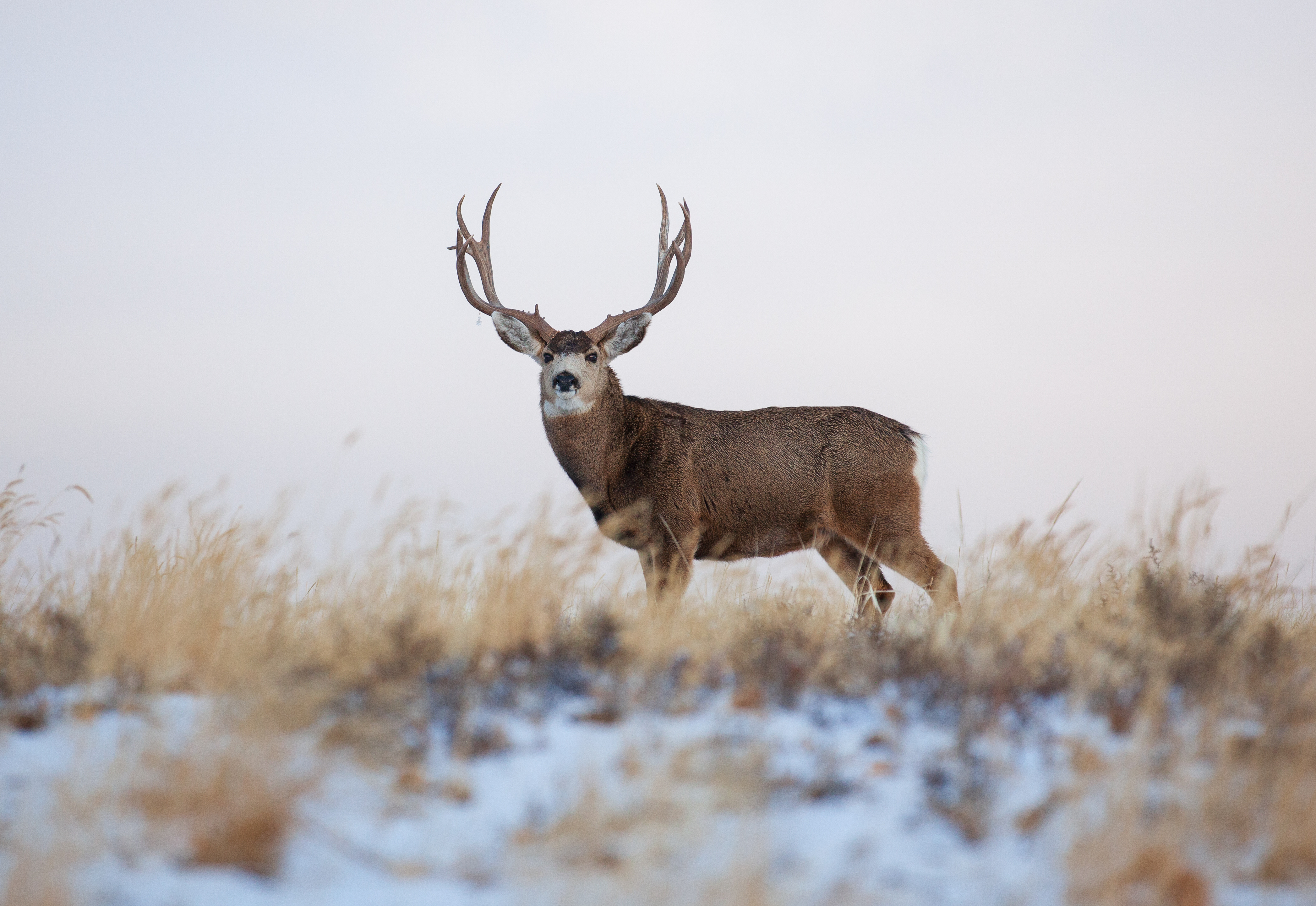
2. Maximize Comfort for All-Day Hunts

Late-season deer hunting often requires long sits and quiet observation. Comfort plays a huge role in staying in the woods long enough to succeed.

Comfort Essentials for December

  • Insulated, quiet outerwear
  • Waterproof boots with warm socks
  • Seat cushions or insulated ground pads
  • Windproof neck gaiter or balaclava
  • Portable heaters for blinds where legal

The more comfortable you are, the longer you can stay—and the more likely you are to encounter late-moving game.

3. Adjust Your Strategy for Late-Season Animal Behavior

December brings big shifts in wildlife movement. Whether rut activity is tapering off or animals are transitioning to winter patterns, hunters must adapt.

Late-Season Deer Hunting in December

  • Focus on food sources — deer prioritize energy-rich forage
  • Hunt mid-day when deer often move between bedding and feeding
  • Capitalize on cold fronts that trigger increased movement
  • Use trail cameras to identify new patterns
  • Reduce pressure — quiet entry and exit routes are critical

Waterfowl Hunting in December

  • Look for new birds after strong north winds
  • Use larger decoy spreads to attract migrating groups
  • Concealment matters more as ducks become wary later in the season

Hogs & Predators

  • Cooler weather increases movement
  • Night hunts become highly productive
  • Food source patterns shift with changing temperatures

December is a dynamic month for multiple species—and understanding seasonal behavior is key to filling tags.

4. Gear Up for December Success

Late-season hunts demand reliable gear capable of performing in colder, wetter, and windier conditions.

Essential December Hunting Gear

  • Cold-weather camo
  • Windproof jacket
  • Waterproof boots
  • Insulated gloves
  • Quiet gear for stealthy movement
  • Backup batteries for optics and lights
  • Thermos with warm liquids for comfort and hydration

Quality gear keeps you in the field longer—and the longer you’re out there, the better your odds.

5. Manage Hunting Pressure the Right Way

By December, animals have been pressured for months. Smart hunters adjust their approach.

Late-Season Pressure Management

  • Avoid overused access trails
  • Hunt edges of bedding areas carefully
  • Stay scent-free—cold air traps scent more aggressively
  • Use wind direction to your advantage

A low-impact strategy often yields the best late-season encounters.

6. BirdDog Access Gives Hunters an Edge in December

As public land becomes crowded and late-season pressure increases, private land access becomes more valuable than ever. BirdDog connects hunters to:

  • Low-pressure properties
  • Prime whitetail locations
  • Waterfowl leases
  • Hog and predator hunting opportunities
  • Exclusive ranches and outfitter-supported hunts

With access to private stands, blinds, food plots, and managed wildlife habitats, BirdDog helps hunters capitalize on late-season conditions while avoiding public land competition.

Final Thoughts: Make December Your Most Successful Month

December hunting rewards those who prepare well, stay safe, and understand wildlife behavior. With the right tactics—plus the right land access through BirdDog—you can finish the season strong.

Whether you're chasing whitetails, waterfowl, hogs, or upland species, the combination of cold weather and shifting animal patterns gives hunters an opportunity-filled month.

Read More...

Hunting & Adventure
Conservation Awareness

For generations, hunters have played a critical role in protecting wildlife habitat, supporting healthy animal populations, and funding conservation efforts across the country. Hunting is not just a tradition or outdoor recreation — it is deeply tied to land stewardship and the long-term health of our natural resources.

Read More
Wildlife & Land Management
Habitat Management

Late winter is one of the most important times of the year for wildlife habitat management in Texas. As hunting seasons wrap up and the landscape begins transitioning toward spring growth, smart habitat work now can dramatically improve forage, cover, and wildlife health for the entire year — setting your ranch or property up for long-term success.

Read More
Fishing & Adventure
Managing Your Bass Pond in Winter

Winter pond management is one of the most overlooked — and most important — parts of maintaining a healthy bass fishery in Texas. While many landowners assume their pond “takes care of itself” once the weather cools down, the truth is that winter is when your pond sets the foundation for spring growth, forage success, and bass health.

Read More

December Hunting Best Practices

Safety, Comfort, and Success

December Hunting Best Practices: Safety, Comfort & Success in the Late Season

December marks one of the most exciting periods of the hunting year. Cooler weather, shifting wildlife behavior, and reduced hunting pressure create prime opportunities across Texas and beyond. Whether you're heading out for whitetail, hogs, waterfowl, or upland birds, late-season hunting requires strategy, preparation, and the right mindset.

This guide breaks down the best December hunting practices to help you stay safe, stay comfortable, and stay successful—all while making the most of your time in the field through BirdDog’s private land access opportunities.

1. Prioritize Safety in Cold Weather Conditions

December hunting often means early-morning freezes, slick terrain, and unpredictable weather patterns. Taking proper precautions keeps your hunt enjoyable—and safe.

Cold Weather Hunting Safety Tips

  • Dress in layers to prevent overheating on the hike in and freezing in the stand
  • Use moisture-wicking base layers to avoid sweat-related chill
  • Carry hand warmers, gloves, and an insulated hat
  • Check weather forecasts for wind chill and sudden fronts
  • Let someone know your hunt location and expected return time
  • Keep your phone and headlamp fully charged

Even in Texas, December hunts can bring unexpected cold snaps. Proper planning ensures your comfort and safety all day.

2. Maximize Comfort for All-Day Hunts

Late-season deer hunting often requires long sits and quiet observation. Comfort plays a huge role in staying in the woods long enough to succeed.

Comfort Essentials for December

  • Insulated, quiet outerwear
  • Waterproof boots with warm socks
  • Seat cushions or insulated ground pads
  • Windproof neck gaiter or balaclava
  • Portable heaters for blinds where legal

The more comfortable you are, the longer you can stay—and the more likely you are to encounter late-moving game.

3. Adjust Your Strategy for Late-Season Animal Behavior

December brings big shifts in wildlife movement. Whether rut activity is tapering off or animals are transitioning to winter patterns, hunters must adapt.

Late-Season Deer Hunting in December

  • Focus on food sources — deer prioritize energy-rich forage
  • Hunt mid-day when deer often move between bedding and feeding
  • Capitalize on cold fronts that trigger increased movement
  • Use trail cameras to identify new patterns
  • Reduce pressure — quiet entry and exit routes are critical

Waterfowl Hunting in December

  • Look for new birds after strong north winds
  • Use larger decoy spreads to attract migrating groups
  • Concealment matters more as ducks become wary later in the season

Hogs & Predators

  • Cooler weather increases movement
  • Night hunts become highly productive
  • Food source patterns shift with changing temperatures

December is a dynamic month for multiple species—and understanding seasonal behavior is key to filling tags.

4. Gear Up for December Success

Late-season hunts demand reliable gear capable of performing in colder, wetter, and windier conditions.

Essential December Hunting Gear

  • Cold-weather camo
  • Windproof jacket
  • Waterproof boots
  • Insulated gloves
  • Quiet gear for stealthy movement
  • Backup batteries for optics and lights
  • Thermos with warm liquids for comfort and hydration

Quality gear keeps you in the field longer—and the longer you’re out there, the better your odds.

5. Manage Hunting Pressure the Right Way

By December, animals have been pressured for months. Smart hunters adjust their approach.

Late-Season Pressure Management

  • Avoid overused access trails
  • Hunt edges of bedding areas carefully
  • Stay scent-free—cold air traps scent more aggressively
  • Use wind direction to your advantage

A low-impact strategy often yields the best late-season encounters.

6. BirdDog Access Gives Hunters an Edge in December

As public land becomes crowded and late-season pressure increases, private land access becomes more valuable than ever. BirdDog connects hunters to:

  • Low-pressure properties
  • Prime whitetail locations
  • Waterfowl leases
  • Hog and predator hunting opportunities
  • Exclusive ranches and outfitter-supported hunts

With access to private stands, blinds, food plots, and managed wildlife habitats, BirdDog helps hunters capitalize on late-season conditions while avoiding public land competition.

Final Thoughts: Make December Your Most Successful Month

December hunting rewards those who prepare well, stay safe, and understand wildlife behavior. With the right tactics—plus the right land access through BirdDog—you can finish the season strong.

Whether you're chasing whitetails, waterfowl, hogs, or upland species, the combination of cold weather and shifting animal patterns gives hunters an opportunity-filled month.

Read More...

Hunting & Adventure
Conservation Awareness

For generations, hunters have played a critical role in protecting wildlife habitat, supporting healthy animal populations, and funding conservation efforts across the country. Hunting is not just a tradition or outdoor recreation — it is deeply tied to land stewardship and the long-term health of our natural resources.

Read More
Wildlife & Land Management
Habitat Management

Late winter is one of the most important times of the year for wildlife habitat management in Texas. As hunting seasons wrap up and the landscape begins transitioning toward spring growth, smart habitat work now can dramatically improve forage, cover, and wildlife health for the entire year — setting your ranch or property up for long-term success.

Read More
Fishing & Adventure
Managing Your Bass Pond in Winter

Winter pond management is one of the most overlooked — and most important — parts of maintaining a healthy bass fishery in Texas. While many landowners assume their pond “takes care of itself” once the weather cools down, the truth is that winter is when your pond sets the foundation for spring growth, forage success, and bass health.

Read More