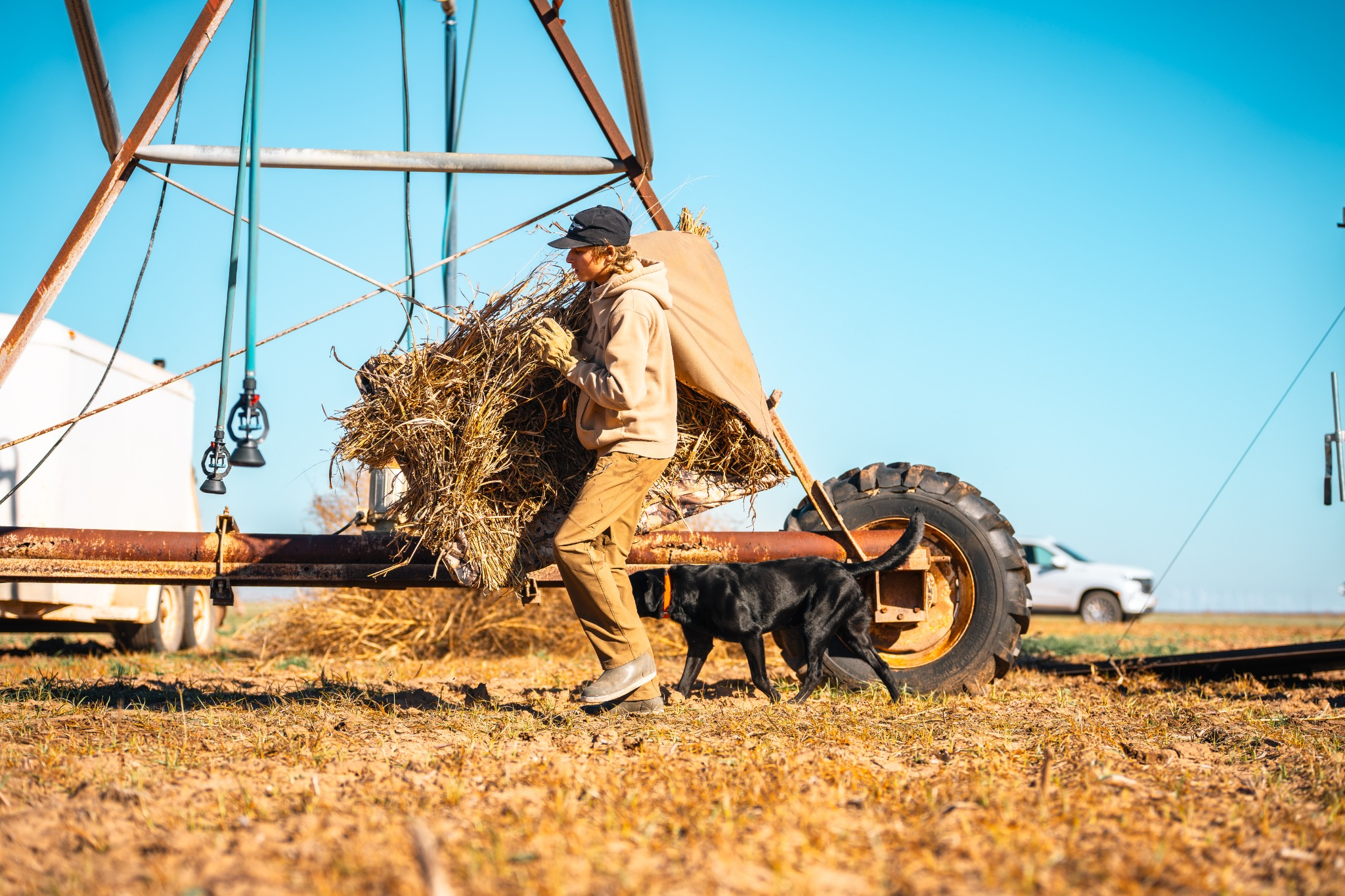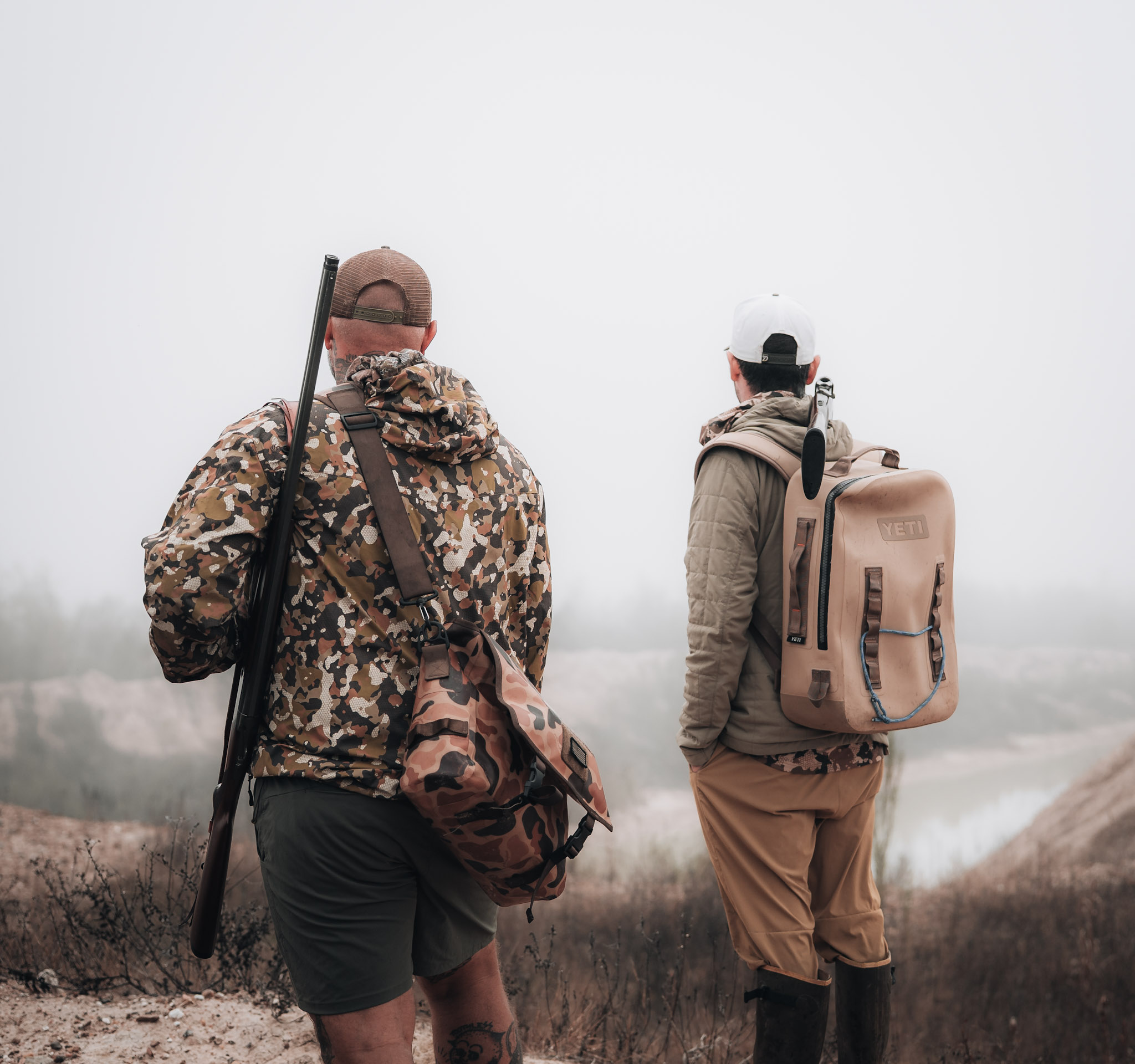
Late-Season Duck Behavior

How to Hunt Pressured Birds

Late-Season Duck Behavior: How to Hunt Pressured Birds

Late-season duck hunting can be one of the most challenging—and rewarding—times of the year. By January, ducks have migrated thousands of miles, survived multiple hunting seasons, and encountered nearly every decoy spread and calling sequence imaginable. These birds are smarter, more cautious, and far less forgiving of mistakes.

To consistently kill ducks late in the season, hunters must understand how pressured birds behave and adjust their approach accordingly. Here’s what changes during the late season—and how you can stay successful when ducks get wise.

How Duck Behavior Changes Late in the Season

As the season progresses, ducks adapt quickly to pressure. Late-season birds tend to:

  • Avoid heavily hunted areas
  • Respond poorly to aggressive calling
  • Circle spreads multiple times before committing
  • Land short or flare at the smallest movement
  • Feed and loaf in tighter, more secure locations

In short, ducks become extremely selective. What worked in November often fails in January.
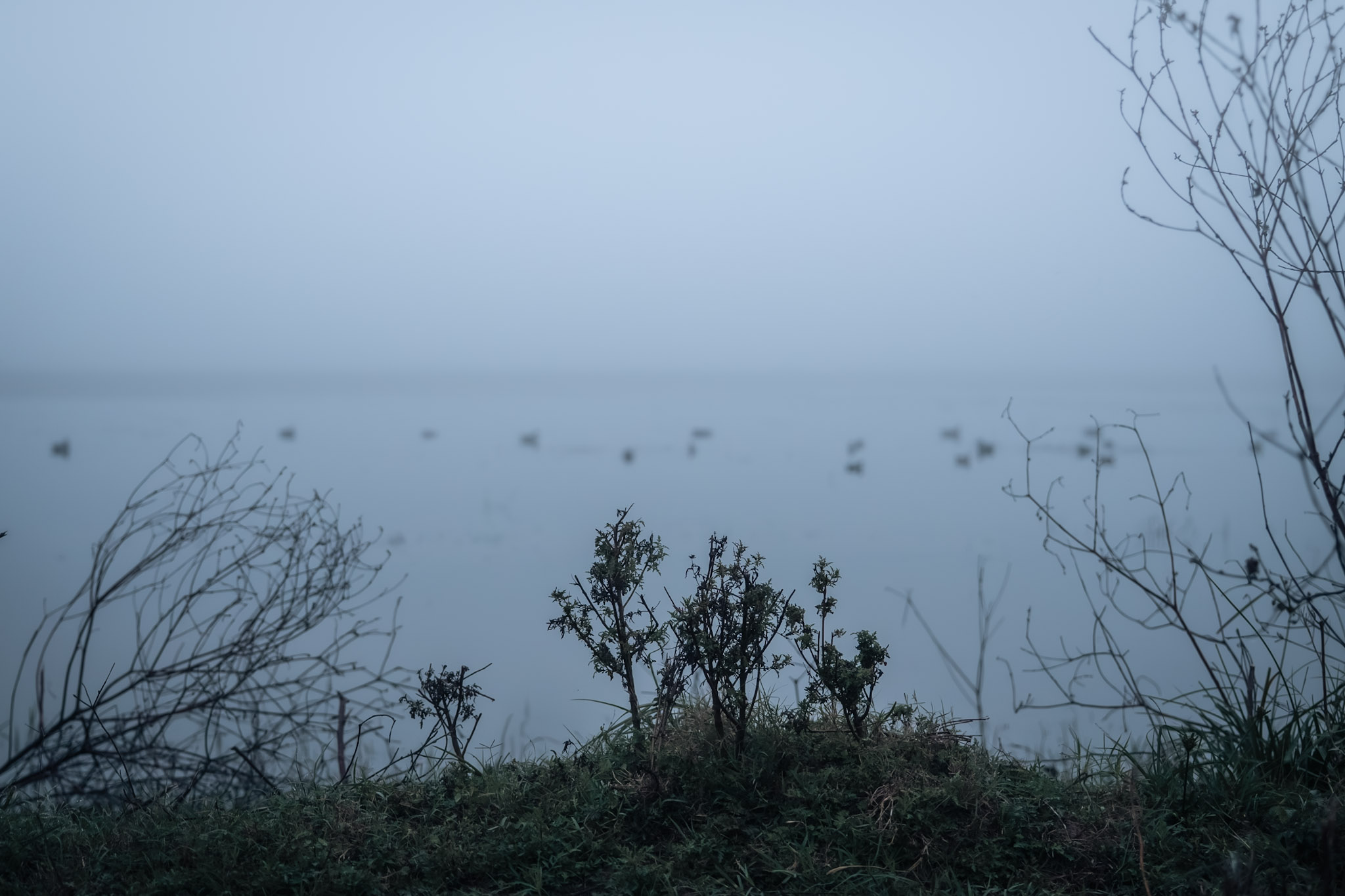
Late-Season Duck Behavior BirdDog

1. Location Matters More Than Anything

Late-season success starts with being where ducks want to be—not where they used to be.

Pressured ducks shift toward:

  • Small, quiet water
  • Private wetlands and flooded fields
  • Backwater ponds and sheltered marshes
  • Areas with limited human activity

Public land often sees heavy pressure late in the season, pushing birds onto private ground. This is why private land access becomes such a major advantage for January duck hunting.

2. Simplify Your Decoy Spread

Late-season ducks have seen massive decoy spreads for months. Often, less is more.

Effective late-season decoy strategies include:

  • Smaller spreads with natural spacing
  • Using sleeper and resting decoys
  • Removing excessive motion on calm days
  • Matching the species you’re seeing locally

Your goal is realism—not flash.

3. Tone Down the Calling

One of the biggest mistakes hunters make late in the season is overcalling.

Late-season ducks respond better to:

  • Soft quacks and feeding chuckles
  • Minimal calling once birds show interest
  • Letting silence work when ducks are committed

If ducks are already working your spread, calling less often produces better results.

4. Concealment Is Critical

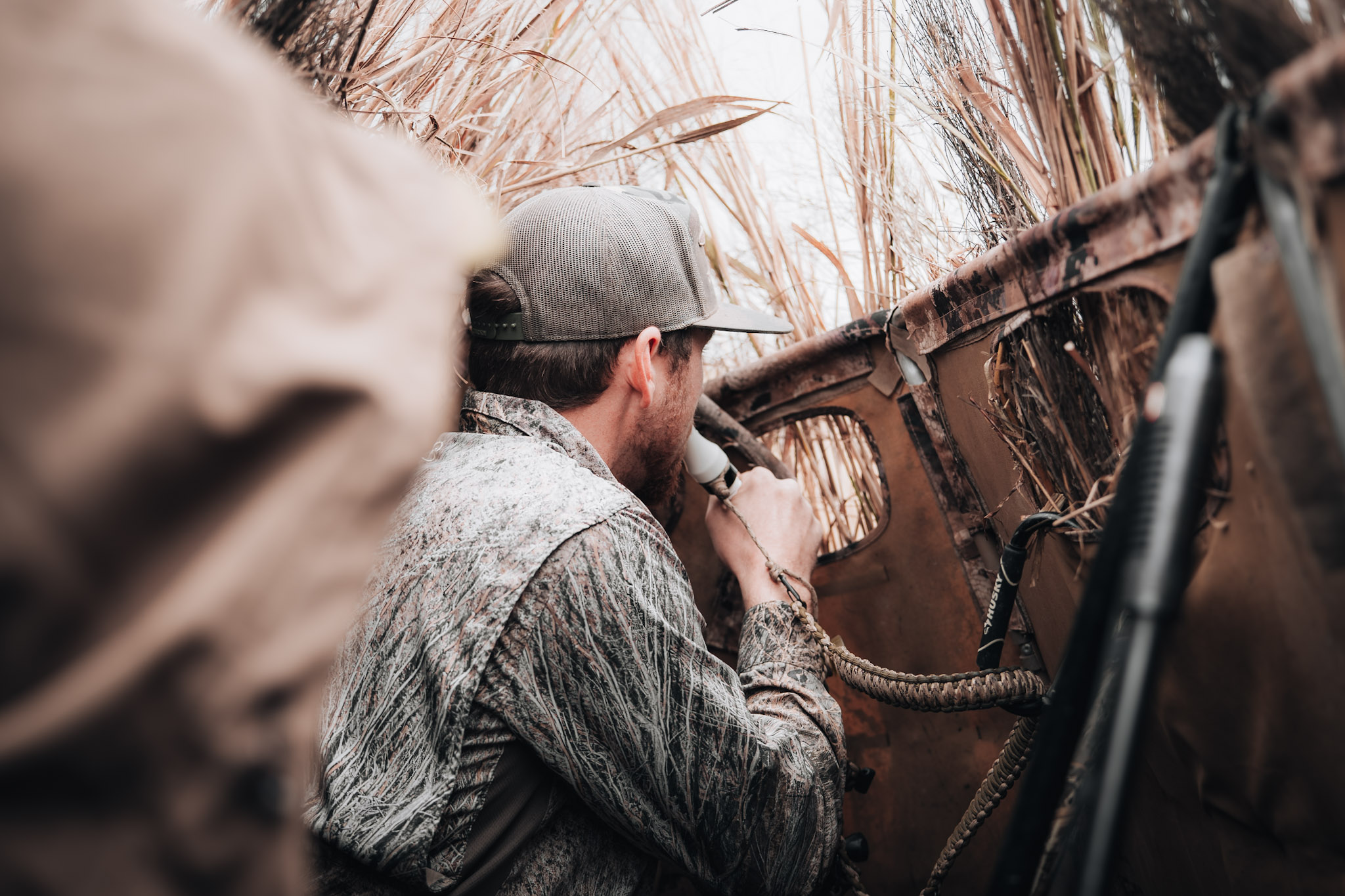
By late season, ducks flare instantly at unnatural movement or poorly brushed blinds.

To stay hidden:

  • Brush blinds heavily using local vegetation
  • Break up hard lines and shadows
  • Keep faces, hands, and gear covered
  • Limit movement once birds are visible

Good concealment can save an average setup. Poor concealment will ruin a perfect one.

5. Hunt Smarter Times of Day

Late-season ducks often adjust their schedules to avoid pressure.

Many hunters find success by:

  • Hunting later in the morning
  • Targeting midday movement
  • Setting up closer to feeding areas
  • Avoiding the rush at first light

Cold weather and reduced pressure can push birds to move at unconventional times.
<a href=Private land hunting access BirdDog" width="auto" height="auto">

6. Weather Is Your Best Friend

Late-season ducks respond strongly to weather changes.

The best days often occur:

  • Right before a strong cold front
  • Immediately after a front passes
  • During north winds that bring new birds
  • When ice pushes ducks into remaining open water

Watching weather patterns closely can make or break a late-season hunt.

Why Private Land Access Wins Late Season

When ducks get pressured, they prioritize safety over convenience. That’s why private land consistently outperforms public areas late in the season.

Private properties often offer:

  • Less hunting pressure
  • Better-managed habitat
  • Controlled access
  • Quality food and water sources
  • Birds that stay relaxed longer

Through BirdDog, hunters can access private duck hunting opportunities across Texas and beyond—placing them where pressured ducks actually want to be.

BirdDog Advantage for Late-Season Duck Hunters

BirdDog connects hunters with landowners offering:

For landowners, January is also a great time to offer discounted late-season duck hunts, helping fill remaining dates while giving hunters access during the toughest part of the season.

Final Thoughts

Late-season duck hunting isn’t about doing more—it’s about doing things better. Understanding pressured duck behavior, dialing back calling, improving concealment, and hunting the right locations are the keys to success.

When combined with quality private land access through BirdDog, hunters dramatically increase their odds of finishing the season strong—even when ducks are at their smartest.

Read More...

Fishing & Adventure
Spring Fly Fishing for Trout: Techniques That Actually Work

Spring fly fishing for trout is all about matching the hatch and reading the water. Discover proven techniques, fly patterns, and timing strategies for more fish.

Read More
Landowner Resources
Managing Native Grasses and Food Plots to Attract Game on Texas Land

Managing native grasses and food sources on Texas land attracts more deer, turkey, and quail. Learn habitat strategies that improve game populations year-round.

Read More
Fishing & Adventure
Redfish on the Flats: Spring Sight Casting Tactics

Master spring redfish sight casting on Texas flats. Learn the best tides, presentations, and locations to find and catch redfish in skinny water this season.

Read More

Late-Season Duck Behavior

How to Hunt Pressured Birds

Late-Season Duck Behavior: How to Hunt Pressured Birds

Late-season duck hunting can be one of the most challenging—and rewarding—times of the year. By January, ducks have migrated thousands of miles, survived multiple hunting seasons, and encountered nearly every decoy spread and calling sequence imaginable. These birds are smarter, more cautious, and far less forgiving of mistakes.

To consistently kill ducks late in the season, hunters must understand how pressured birds behave and adjust their approach accordingly. Here’s what changes during the late season—and how you can stay successful when ducks get wise.

How Duck Behavior Changes Late in the Season

As the season progresses, ducks adapt quickly to pressure. Late-season birds tend to:

  • Avoid heavily hunted areas
  • Respond poorly to aggressive calling
  • Circle spreads multiple times before committing
  • Land short or flare at the smallest movement
  • Feed and loaf in tighter, more secure locations

In short, ducks become extremely selective. What worked in November often fails in January.

Late-Season Duck Behavior BirdDog

1. Location Matters More Than Anything

Late-season success starts with being where ducks want to be—not where they used to be.

Pressured ducks shift toward:

  • Small, quiet water
  • Private wetlands and flooded fields
  • Backwater ponds and sheltered marshes
  • Areas with limited human activity

Public land often sees heavy pressure late in the season, pushing birds onto private ground. This is why private land access becomes such a major advantage for January duck hunting.

2. Simplify Your Decoy Spread

Late-season ducks have seen massive decoy spreads for months. Often, less is more.

Effective late-season decoy strategies include:

  • Smaller spreads with natural spacing
  • Using sleeper and resting decoys
  • Removing excessive motion on calm days
  • Matching the species you’re seeing locally

Your goal is realism—not flash.

3. Tone Down the Calling

One of the biggest mistakes hunters make late in the season is overcalling.

Late-season ducks respond better to:

  • Soft quacks and feeding chuckles
  • Minimal calling once birds show interest
  • Letting silence work when ducks are committed

If ducks are already working your spread, calling less often produces better results.

4. Concealment Is Critical

By late season, ducks flare instantly at unnatural movement or poorly brushed blinds.

To stay hidden:

  • Brush blinds heavily using local vegetation
  • Break up hard lines and shadows
  • Keep faces, hands, and gear covered
  • Limit movement once birds are visible

Good concealment can save an average setup. Poor concealment will ruin a perfect one.

5. Hunt Smarter Times of Day

Late-season ducks often adjust their schedules to avoid pressure.

Many hunters find success by:

  • Hunting later in the morning
  • Targeting midday movement
  • Setting up closer to feeding areas
  • Avoiding the rush at first light

Cold weather and reduced pressure can push birds to move at unconventional times.

<a href=Private land hunting access BirdDog" width="auto" height="auto">

6. Weather Is Your Best Friend

Late-season ducks respond strongly to weather changes.

The best days often occur:

  • Right before a strong cold front
  • Immediately after a front passes
  • During north winds that bring new birds
  • When ice pushes ducks into remaining open water

Watching weather patterns closely can make or break a late-season hunt.

Why Private Land Access Wins Late Season

When ducks get pressured, they prioritize safety over convenience. That’s why private land consistently outperforms public areas late in the season.

Private properties often offer:

  • Less hunting pressure
  • Better-managed habitat
  • Controlled access
  • Quality food and water sources
  • Birds that stay relaxed longer

Through BirdDog, hunters can access private duck hunting opportunities across Texas and beyond—placing them where pressured ducks actually want to be.

BirdDog Advantage for Late-Season Duck Hunters

BirdDog connects hunters with landowners offering:

For landowners, January is also a great time to offer discounted late-season duck hunts, helping fill remaining dates while giving hunters access during the toughest part of the season.

Final Thoughts

Late-season duck hunting isn’t about doing more—it’s about doing things better. Understanding pressured duck behavior, dialing back calling, improving concealment, and hunting the right locations are the keys to success.

When combined with quality private land access through BirdDog, hunters dramatically increase their odds of finishing the season strong—even when ducks are at their smartest.

Read More...

Fishing & Adventure
Spring Fly Fishing for Trout: Techniques That Actually Work

Spring fly fishing for trout is all about matching the hatch and reading the water. Discover proven techniques, fly patterns, and timing strategies for more fish.

Read More
Landowner Resources
Managing Native Grasses and Food Plots to Attract Game on Texas Land

Managing native grasses and food sources on Texas land attracts more deer, turkey, and quail. Learn habitat strategies that improve game populations year-round.

Read More
Fishing & Adventure
Redfish on the Flats: Spring Sight Casting Tactics

Master spring redfish sight casting on Texas flats. Learn the best tides, presentations, and locations to find and catch redfish in skinny water this season.

Read More