
Why Predator Control Matters for Summer Fawn Survival on Texas Land
Coyote and predator management strategies during critical fawning season
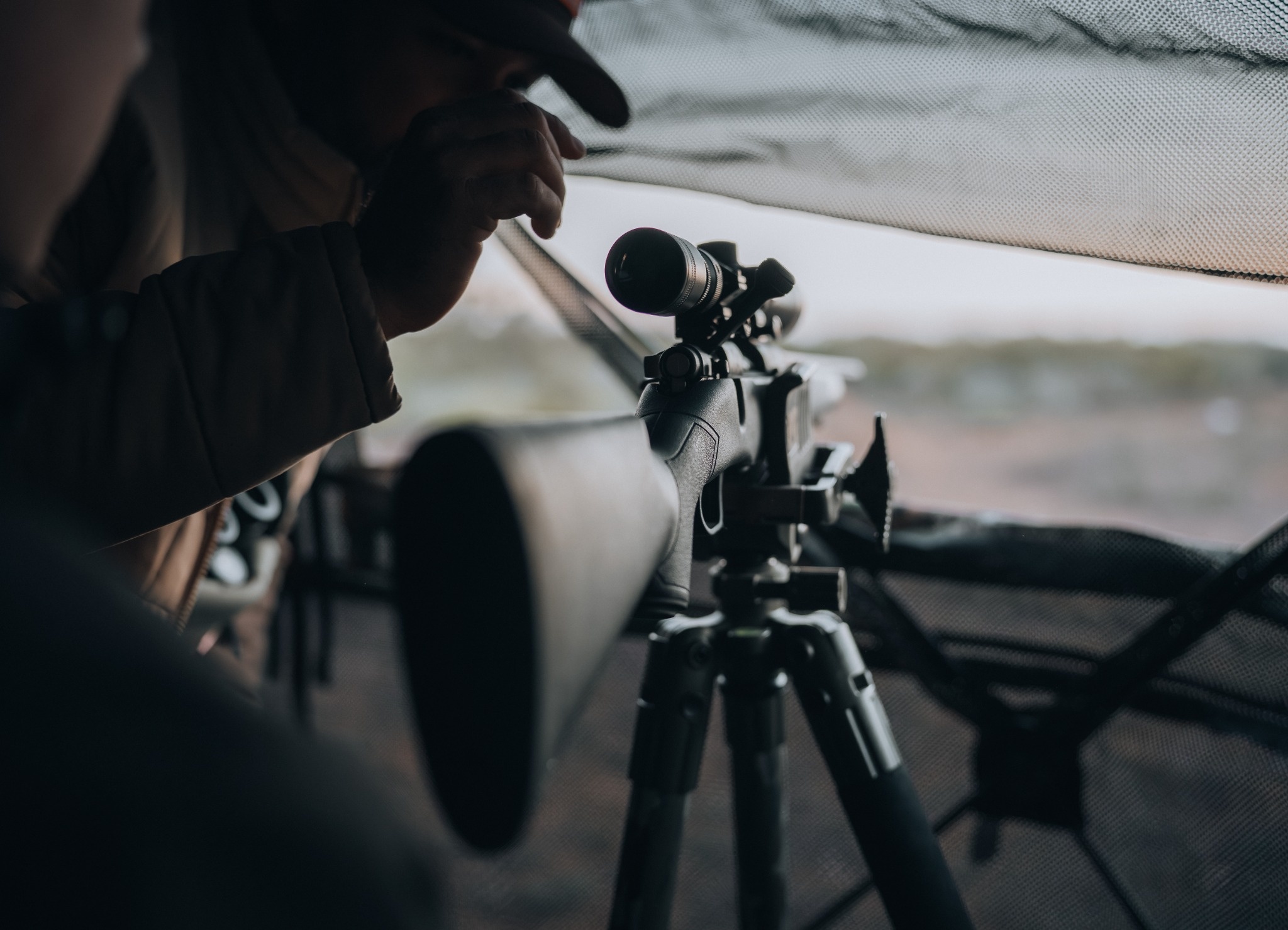
The Most Vulnerable 60 Days in a Deer's Life
A whitetail fawn born in early June in South Texas weighs about 5-7 pounds and has essentially no defense against predators. It can't run effectively for the first two weeks of life—its survival strategy is concealment. It lies motionless in cover while its mother feeds nearby, relying on the near-absence of scent and its spotted camouflage to stay invisible to coyotes, bobcats, and hogs that are actively searching.
That concealment strategy works remarkably well—unless coyote density is high. Research conducted on South Texas ranches consistently shows that fawn survival in the first 8 weeks of life drops below 30% on properties with unmanaged coyote populations. On properties with active, season-long predator control programs, the same figure climbs to 50-70%. The difference shows up in your trail cameras by late summer and in your harvest data by fall.
Understanding this dynamic changes how you think about predator control. It's not a nice-to-have feature of land management—it's the most direct lever you have on recruitment, which is the engine that drives long-term herd growth.
The Coyote Timing Problem
Coyotes are at their most numerous and most aggressive as predators in early summer for a specific reason: they're feeding pups. A coyote pair with a litter of 5-7 pups in a den needs to bring in significant protein daily from May through July. Fawns, which are born helpless and concentrated on predictable bedding areas, are easy targets that require much less energy to capture than healthy adult deer.
This creates a narrow but critical window for predator management. The work done from April through early July—before and during the primary fawning period in your area—delivers far more impact per trapped animal than the same effort applied in September or October. You're not just removing a coyote; you're removing a coyote at the moment it has the highest per-capita impact on fawn survival.
Know when does in your area are fawning. In South Texas, peak fawning runs from late May through early July. In Central Texas, it's typically May through June. In North Texas and the Hill Country, fawning can extend later—sometimes into August in drought years when late breeding occurs. Time your intensified predator control efforts to begin 4-6 weeks before peak fawning in your specific region.
Building a Focused Summer Trapping Program
A summer predator control program for fawn protection doesn't need to be complex. The core of it is consistent trap operation at high-probability locations from April through July.
Target three location types: water sources, game trails crossing fences, and areas with trail camera evidence of coyote activity near known doe bedding areas. Water sources are especially productive in early summer before the monsoon rains arrive—coyotes that are feeding pups need water frequently, and a well-positioned trap at a water feature can be exceptionally effective.
Foot-hold traps in size 1.5-2 are the standard for coyotes. Dirt-hole sets and flat sets near natural sign (scat, tracks, scrapes) outperform blind sets. Use fresh commercial lure or food bait that appeals to the territorial and feeding instincts coyotes are operating on in early summer. Check traps daily—this is both a legal requirement in Texas and an ethical one in summer heat.
Cage traps are less efficient for coyotes but have a place in the program for locations near livestock where bycatch risk (domestic cats, non-target wildlife) is high. They also work well for bobcats if bobcat predation is contributing to your fawn mortality. Check your TPWD regulations on bobcat management—they are legal to trap in Texas but subject to furbearer seasons in some contexts.
Documenting Results and Adjusting
Trail cameras are your feedback mechanism. Set cameras specifically to monitor does with fawns—camera positions near known bedding cover, mineral licks, and water sources from June through August provide a direct count of how many fawns are surviving to become visible. Compare fawn-to-doe ratios year-over-year.
A healthy fawn recruitment rate in Texas is generally considered to be 0.7-1.0 fawns per adult doe observed on camera by late summer. If you're consistently seeing ratios below 0.5, predator pressure is almost certainly a contributing factor, regardless of how hard you've been trapping. In those cases, consider bringing in a professional Wildlife Services trapper or contract predator control service to assess the property and supplement your program.
Record your removal data—species, date, location, method. This documentation matters for wildlife management plans, demonstrates the scope of your program to any agency partners, and helps you identify which areas are contributing most to your predator population year over year.
The Return on Investment
Predator control costs money and time. For a 1,000-acre property, a serious summer trapping program might require 10-15 traps and 45-60 days of daily operation from April through July. At a minimum wage for a part-time trapper, that's a real expense.
The return is measured in deer numbers and hunt quality. A herd that recruits an additional 15-20 fawns per year—the realistic outcome of effective summer predator control on a managed Texas property—produces meaningful additional hunting opportunity within 2-3 seasons. On a hunting lease property, that directly translates to higher lease value. For landowners using BirdDog's land management platform to document wildlife activity and management practices as part of a formal wildlife management plan, predator control records contribute to the Texas wildlife exemption that reduces property tax burden—turning a management cost into a partial write-off against your land's tax obligation.
The fawns that survive this summer become the deer you're hunting in October. Do the work now.

Read More...
A practical guide to rural land loan types, what lenders evaluate, common mistakes landowners make, and how to approach financing a farm, ranch, or hunting property.

A look at how BirdDog helps landowners put their property to work through hunting and recreation, farm and grazing leases, Section 180 tax opportunities, financing, insurance, and land improvements.

A landowner's guide to identifying revenue potential in idle acreage and stacking multiple income streams — farming leases, hunting access, marketplace bookings, and Section 180 savings — through BirdDog.