
Spring Fly Fishing for Trout: Techniques That Actually Work
Fly patterns, hatch timing, and water-reading strategies for spring trout
Why Spring Produces the Best Trout Fishing
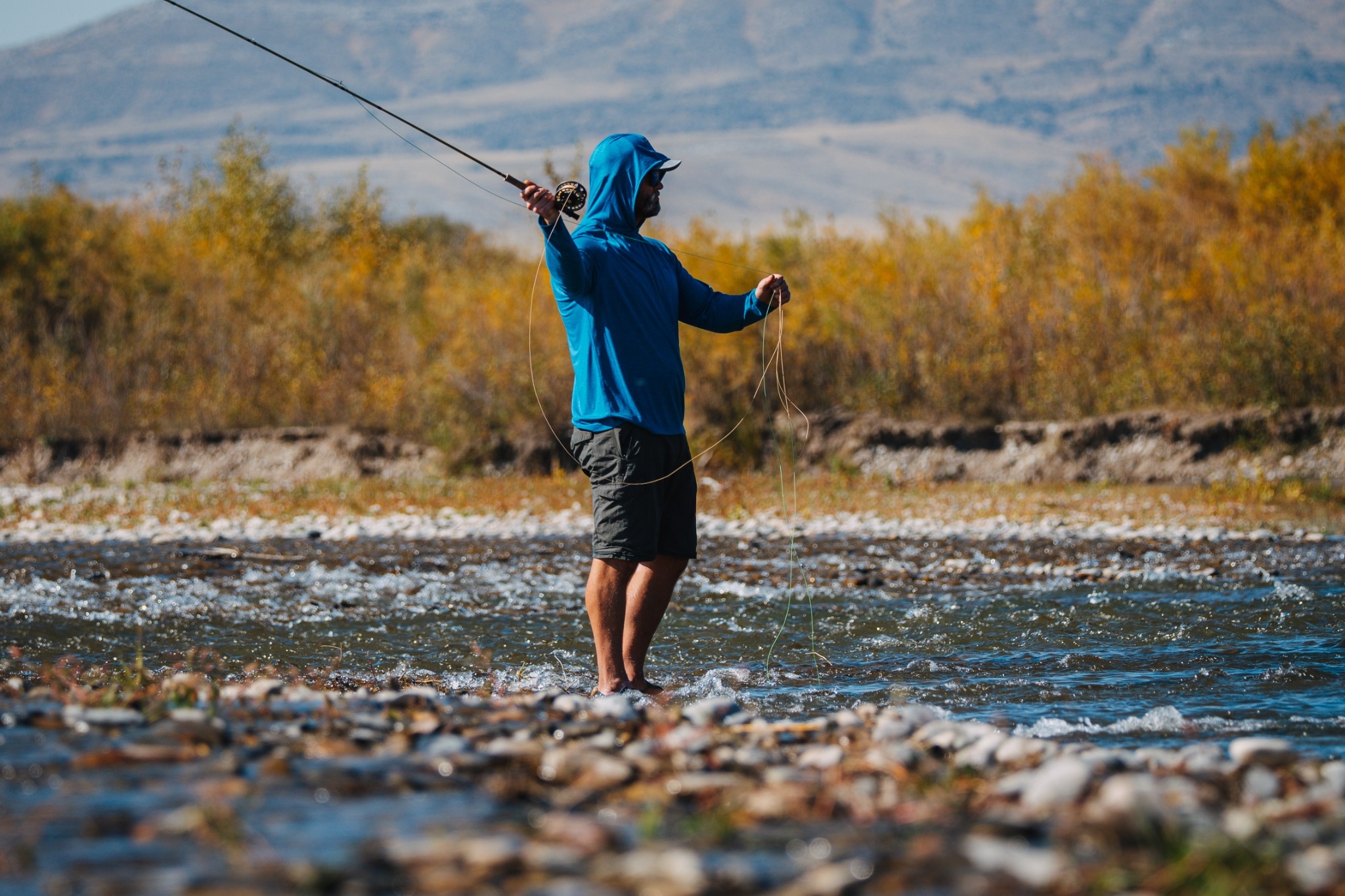
Spring trout fishing on a fly rod is a different animal than any other season. Water temperatures between 50 and 62 degrees put trout in their ideal metabolic range—active enough to feed aggressively but not yet pushed into the lethargic behavior that comes with summer heat. Insect hatches are diverse and prolific. Fish that have been slower through winter are hungry and positioned where you can reach them.
Texas doesn't have wild trout in the traditional sense, but the Guadalupe River below Canyon Lake is one of the state's premier tailwater fisheries—stocked with rainbow trout by TPWD and maintaining year-round cool temperatures from dam releases. For anglers willing to travel, the high-country streams of New Mexico and Colorado offer wild brown and rainbow fishing within a day's drive of most Texas population centers. Either way, spring is the window.
Reading Spring Water Conditions
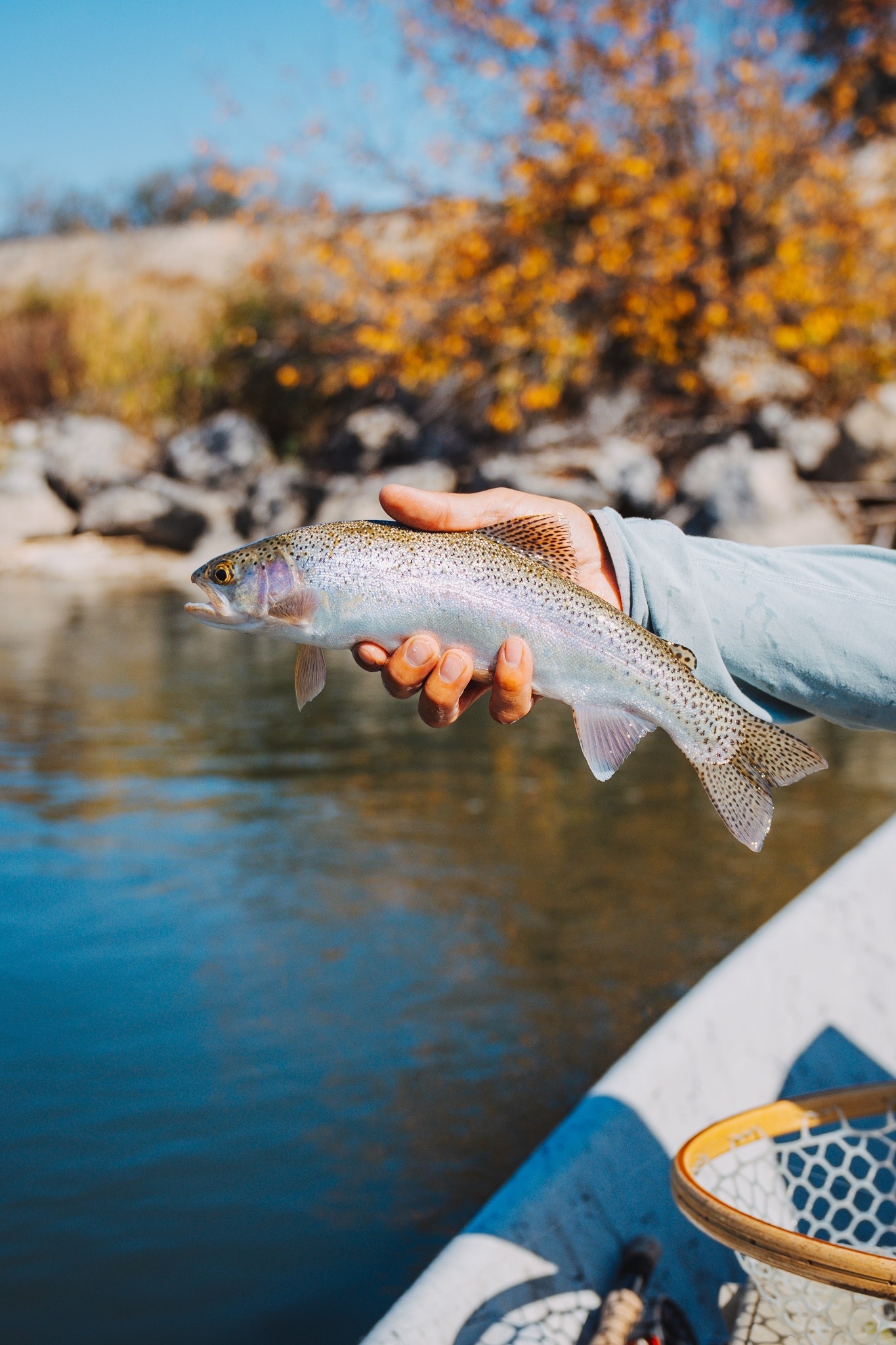
Runoff and snowmelt mean spring streams can be up and off-color, especially in March and early April at higher elevations. Don't abandon a run just because visibility is less than ideal—trout still feed in higher flows, they just relocate. In off-color water, fish move from mid-channel positions to the edges where turbulence slows and visibility improves slightly. Work seams between fast and slow water, undercut banks, and areas behind large boulders.
As flows drop and clarity returns—typically by late April into May in most Rocky Mountain tailwaters—you can begin sight fishing. Polarized glasses become essential. Look for fish holding in feeding positions: slightly off the bottom, facing upstream, positioned at current seams where drift concentrates food. A stationary fish near the surface is usually actively feeding. One hugging the bottom in slack water is resting and harder to interest.
Spring runoff also redistributes fish through the system. Fish that were stacked in deep pools through winter spread into shallower runs, riffles, and flats as flows normalize. Don't assume the fish are still where you found them in late fall—walk the water and locate them fresh.
Matching the Spring Hatch
Spring hatches vary by region and elevation, but certain patterns dominate. On the Guadalupe and similar Texas tailwaters, midges hatch year-round and are the primary winter-into-spring food source. Blue-winged olives (Baetis) emerge on overcast days from February through April and trigger some of the best dry fly fishing of the year. Caddis hatches begin in earnest by late April.
At higher elevations in the Rockies, the sequence is compressed by altitude: midges and Baetis dominate through late May, with caddis and stoneflies following as temperatures stabilize. Pale morning duns are the signature hatch of early summer in many Western tailwaters—a size 16-18 PMD emerger or parachute pattern on a 5X tippet is one of the most productive spring setups you can carry.
Carrying a simple hatch guide for the specific water you're fishing and spending five minutes at streamside before fishing to observe what's in the air and on the water is worth more than all the pattern selection advice in the world. Match what you see.
Spring Nymph Techniques
Dry fly fishing during a hatch is memorable, but nymphing is what consistently catches trout in spring when hatches aren't active—which is most of the time. High-stick nymphing and indicator nymphing are the two dominant techniques.
High-stick nymphing works best in fast, shallow runs of 1-3 feet. Use a 10-foot rod if you have one, weight your nymph rig to reach bottom quickly (split shot or a heavy tungsten bead-head), and control your drift by keeping line off the water as much as possible. The drift ends when you feel the heavy weight of a ticking bottom—any deviation from that feel could be a fish. Set immediately.
Indicator nymphing covers more water and works better in deeper runs and pools. Set your indicator at 1.5 to 2 times the water depth, use a two-fly rig (heavier point fly, lighter dropper), and focus your drifts through the feeding lanes identified by current seams. Watch the indicator for any pause, twitch, or unnatural movement—not just hard dips. Spring trout often take a nymph softly and reject it just as fast.
Access and Water Selection
Spring trout fishing on popular water gets crowded. On the Guadalupe, weekend pressure from San Antonio and Austin anglers can stack up significantly on productive runs. Midweek fishing produces significantly better results, both for solitude and for spooky fish in clear, low water.
For fly anglers looking to access private water with managed trout populations or reduced pressure, BirdDog's land access marketplace lists private fishing properties across Texas and nearby states—some of which include access to spring-fed streams and stocked ponds managed specifically for quality angling. Finding a private stretch on a productive tailwater can transform a spring fishing trip from a crowd-management exercise into the experience it should be.
The techniques work anywhere trout live. The more important variable is where you apply them. Find water with fish that haven't been educated by a hundred presentations, and your spring trout season will be something worth remembering.

Read More...
A practical guide to rural land loan types, what lenders evaluate, common mistakes landowners make, and how to approach financing a farm, ranch, or hunting property.
A look at how BirdDog helps landowners put their property to work through hunting and recreation, farm and grazing leases, Section 180 tax opportunities, financing, insurance, and land improvements.
A landowner's guide to identifying revenue potential in idle acreage and stacking multiple income streams — farming leases, hunting access, marketplace bookings, and Section 180 savings — through BirdDog.