
The Ultimate Spring Guide to Texas Hunting Leases and Fishing
The Ultimate Spring Guide to Texas Hunting Leases and Fishing
Texas holds more than 142 million acres of private land — roughly 94% of the entire state. That means the best hunting and fishing in the Lone Star State isn’t on public ground. It’s behind a gate.
Spring is prime time. Turkey season runs through late April, largemouth bass are staging in the shallows, and crappie are running hard toward the banks. If you’re not already locked into a hunting lease or private fishing access, you’re already behind. Here’s everything you need to make the most of the next six weeks.
Spring Turkey Hunting in Texas: Don’t Sleep on It
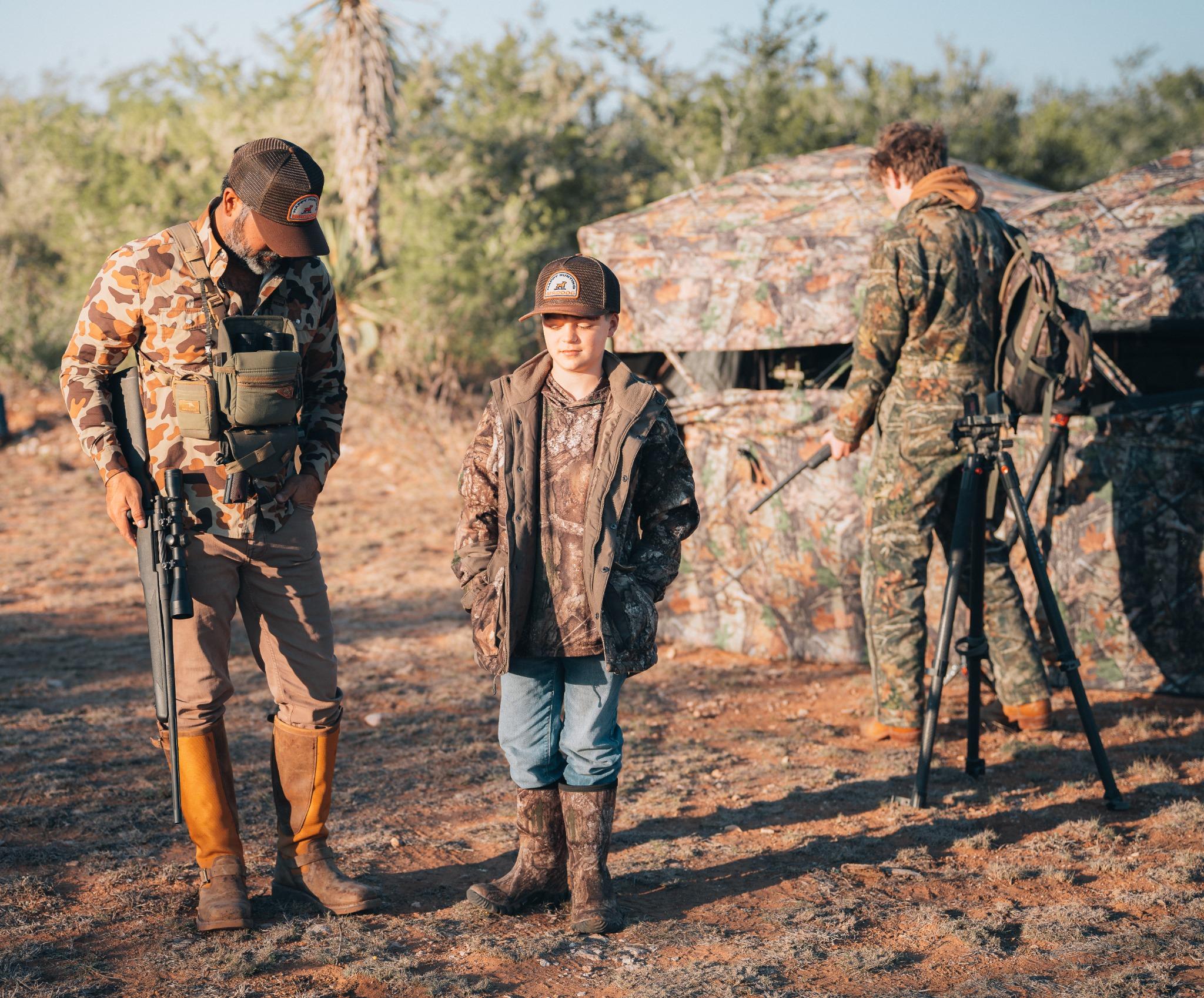
Turkey season in Texas is genuinely underrated. The state’s Rio Grande turkey population is one of the densest in North America — over 500,000 birds spread across the Hill Country, South Texas brush, and the Rolling Plains.
Spring turkey season typically opens in late March and runs through early May across most zones. That window is narrow. Gobblers are fired up, hens are nesting, and birds are more responsive to calling than at any other point in the year.
Public land turkey hunting in Texas exists — but it’s crowded, overhunted, and often stripped of the low-pressure experience that makes spring turkey special. Private land changes everything. You’re not sharing fields with three other hunters. You’re hunting birds that haven’t been educated by bumper-to-bumper pressure.
Reading the Land During Turkey Season Texas
Success in turkey season Texas-style starts before you ever hear a gobble. It starts with understanding the property.
Rio Grandes roost in tall trees near water — creek drainages, river bottoms, stock tanks with timber nearby. They strut in open fields, senderos, and cleared pastures. If you’re walking a lease for the first time, find the roost trees first, then backtrack to where they’ll strut come first light.
Weather matters more than most hunters admit. Cold fronts in March and early April can shut birds down hard. But the day after a front passes — blue skies, warming temps, light wind — is often the single best turkey hunting day of the season. Build your lease days around that forecast.
Midmorning is underused. After the initial fly-down frenzy, unpressured toms will often fire back up around 9–10 a.m. once hens have broken off to nest. Hold tight, keep calling subtle, and let the silence work for you.\
Spring Fishing Texas: Bass, Crappie, and Stripers Are All Firing
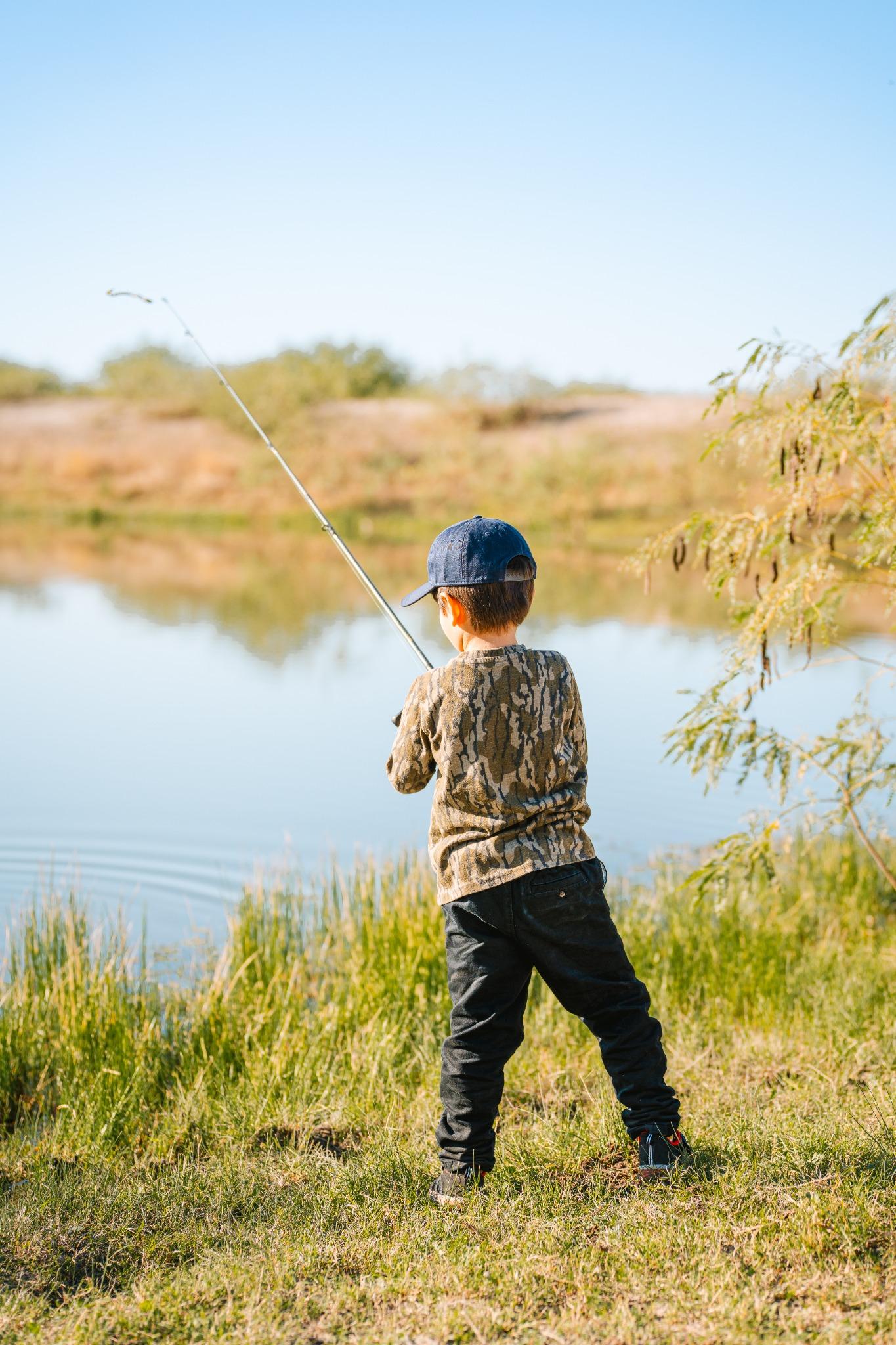
Spring fishing in Texas isn’t one fishery — it’s three happening at once.
Largemouth bass are in full prespawn and spawn mode from late February through April. Fish are shallow, aggressive, and eating. Soft plastics on the beds, topwater around dock edges and grass lines, jerkbaits off points — it all works when timing is right.
Crappie run hard toward structure in March and April. They stack on brush piles, creek channel edges, and dock pilings in 4–8 feet of water. Light jigs, small spinners, and live minnows under a float — this is the most consistent spring bite in the state and one of the easiest limits to put in a cooler.
Stripers and hybrid stripers on lakes like Texoma, Possum Kingdom, and Sam Rayburn go on the feed as water temps climb toward 60°F. Trolling large swimbaits or working topwater during morning feeding windows can produce some of the most explosive action of the year.
Private lake and pond access cuts out the tournament crowds and weekend boat traffic that pile onto public water in spring. A lease with a stocked pond or creek access is worth real money come April.
Private Land Access vs. Public Land: What You’re Actually Buying
The case for private land hunting access isn’t complicated. It comes down to three things: pressure, predictability, and permission.
Public land is free — and everyone knows it. TPWD data consistently shows that public hunting units near population centers see hunter densities that crater success rates. You’re competing for parking spots at 4 a.m., not turkey.
Private ground flips that equation. You control access. You know who else is on the property. You can pattern animals across days, weeks, and seasons without worrying that someone else burned your stand location. Over time, that intel compounds — you build a picture of how game moves on a specific piece of land, and that knowledge is worth more than any single trip.
Hunting land for lease also opens doors to active habitat management. Landowners running quality programs often have better food plots, managed water sources, and healthier cover than anything available on public ground. The land does more work before you ever show up.
How to Find a Texas Hunting Lease Near You
Here’s the honest reality: good hunting leases don’t last long. The best private land in Texas — productive turkey country, quality deer management operations, creek-bottom fishing access — gets locked up by groups who hold them year after year.
Finding quality hunting land for lease used to mean cold-calling landowners, driving county roads, and hoping you caught the right person at the right time. Most hunters either got lucky through word of mouth or settled for whatever was left.
BirdDog solves that. The platform connects hunters directly to private landowners who are ready to lease — searchable by county, target species, season window, and property amenities. If you’re looking for a hunting lease near me in Texas, BirdDog surfaces vetted private land options that don’t show up anywhere else. No cold calls. No guesswork.
Whether you’re after turkey country in the Hill Country, a bass pond in East Texas, or a mixed-bag lease in the Rolling Plains, the inventory is there — if you move before someone else does.
The Clock Is Running
The window for spring turkey hunting in Texas and the peak spring fishing bite is six weeks, maybe eight. It goes fast — and the best leases go faster.
Don’t wait until peak season to start your search. Lock in your Texas hunting lease now, get eyes on the property, and show up ready.
Find hunting leases on BirdDog — search private land near you →


Read More...
Learn how Texas landowners build trophy largemouth bass populations — from Florida strain genetics and forage stocking ratios to water quality, selective harvest, and long-term pond management strategies.

Hunting is often misunderstood, with misconceptions surrounding its role in wildlife management and conservation. However, when done responsibly and ethically, hunting can have a positive impact on wildlife populations, habitat preservation, and local ecosystems.

Hunting laws play a crucial role in preserving wildlife populations and ensuring safe, ethical practices for all hunters. Whether you're planning to hunt on public or private land, it's vital to understand the key regulations that apply in both settings.