
Whitetail Summer Scouting Tips to Find Big Bucks Before Season
Trail camera strategy, mineral sites, and velvet buck patterns for fall prep
Why Summer is the Best Time to Find Deer
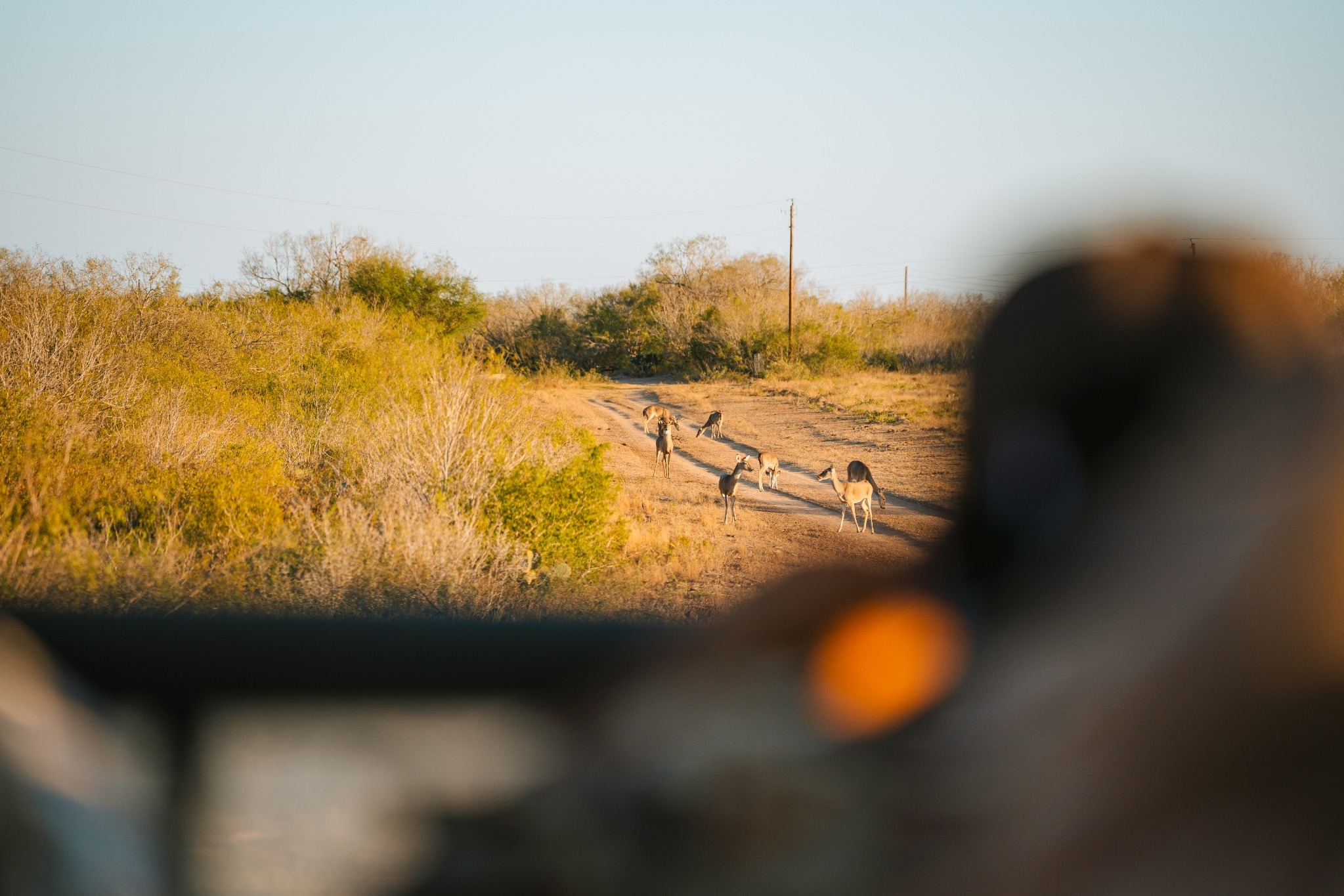
Deer in velvet are on a routine. From mid-June through late August, bucks are feeding aggressively to fuel antler growth—a process that demands significant daily caloric intake. A mature buck in peak velvet development may consume 6-8 pounds of dry forage per day. That energy demand creates predictability. Bucks are on the same feeding routes, using the same food sources, at roughly the same times, day after day. That predictability is a scouting opportunity that disappears when velvet hardens and bachelor groups break up in early September.
The critical advantage of summer scouting is minimal disturbance impact. In July and August, deer haven't been hunted, haven't been pressured, and aren't using their autumn wariness. You can move through the property gathering information without triggering the kind of behavioral change that October intrusion causes. A summer scouting walk that reveals three bachelor bucks feeding in a creek bottom oats plot at 6:00 PM every evening is worth more than any amount of fall intel gathered at the cost of spooking deer off a pattern.
_4096KB.jpg)
Maximizing Trail Camera Data
Trail cameras in summer should be positioned for inventory and pattern documentation, not stand site confirmation. Run cameras on food sources—food plots, mast-producing trees, water features, mineral licks—where bachelor groups are concentrating. Capture as many animals as possible in as many locations as possible to understand what's on the property and how the animals are using it.
Pull cards monthly through the summer rather than more frequently. Monthly pulls give you meaningful data trends while minimizing your scent footprint at camera locations. When reviewing data, pay attention to time stamps—a buck that appears on a food source at 6:30 PM in late July will likely be approaching that same food source in a similar time window in September if the pattern holds.
Identify individual bucks by distinguishing characteristics: unique tine configurations, split brows, drop tines, beam width asymmetry, and body markings. Build a buck profile document. Knowing that a specific buck you've named and can recognize is on your property and using a specific route gives you something concrete to plan around rather than a general hope that a big deer will appear somewhere within range.
Reading Sign in Summer
Summer sign reading is different from fall sign reading. Rubs and scrapes haven't started yet. What you're looking for is travel structure: trails, crossings, transitions between cover types, and feeding areas. These physical features of the landscape are more stable than seasonal sign and reveal how the property's deer use space year-round.
Walk major trails in late July or early August when the risk of interfering with fall patterns is still modest. Identify primary trails connecting bedding cover to food, secondary trails connecting water to food, and fence crossings that funnel deer movement. Note the direction of travel on each trail from track and track pattern analysis—a worn trail that runs southwest generally means deer are traveling southwest along it, which tells you something about where cover and food are relative to each other.
Mast trees deserve specific attention in summer. Walk your white oak stands and assess acorn crops. In a good mast year, white oaks with heavy acorn loads will become the primary fall attractant on your property, often overriding food plots and feeders by late October. In a poor mast year, food plots and supplemental feeding become more critical to holding deer. Knowing the mast forecast in August lets you position your fall stands accordingly rather than discovering the oak situation on opening morning.
Using Velvet Bucks to Pattern Fall Movement
The transition from velvet summer patterning to fall hunting prediction is not direct. Bucks break velvet in September, bachelor groups dissolve, and the relaxed summer behavior is replaced by territorial, secretive autumn behavior. Summer patterns tell you where a buck lives and what resources he's using—they don't tell you exactly where he'll be on November 1.
What summer scouting does predict accurately is core area. A buck that's using a specific 500-acre section of a property in summer is almost certainly living within that same general area in the fall—his core home range doesn't shift dramatically between seasons on most Texas properties. Summer trail cameras confirm which bucks call your property home. Fall hunting strategy is built on that foundation of knowing who is there.
The other summer prediction that holds well is primary travel corridors. A buck using a specific creek crossing or fence line in August will often use the same structure in fall—it's part of the landscape, not a seasonal behavior. Stand positions along confirmed summer travel corridors, positioned for prevailing wind access routes, are often some of the most productive setups of fall.
Locking In Your Access
You've done the summer scouting work and know exactly what deer are on the property. Before any of it matters, confirm your access is secured for the season. Hunters who scout thoroughly and then get locked out because a lease fell through or wasn't renewed learn a painful lesson.
For hunters leasing private land, confirm your fall lease agreement is signed and payment is current before you spend significant time scouting a property. BirdDog's hunting lease platform shows available properties across Texas with full access terms and season details—search by region and species to find properties that match what you've identified you're looking for this fall. Quality properties with active management and documented deer populations are worth the premium lease rate when you've done the homework to know what you're getting.
The buck that shows up on your camera this August is likely still there in October. Find him now. Hunt him then.


Read More...
_4096KB.jpg)
A landowner's guide to identifying revenue potential in idle acreage and stacking multiple income streams — farming leases, hunting access, marketplace bookings, and Section 180 savings — through BirdDog.
_4096KB.jpg)
A plain-English explanation of the Section 180 tax deduction for landowners, who qualifies, realistic savings ranges by acreage, and how BirdDog has helped generate over $30 million in savings.
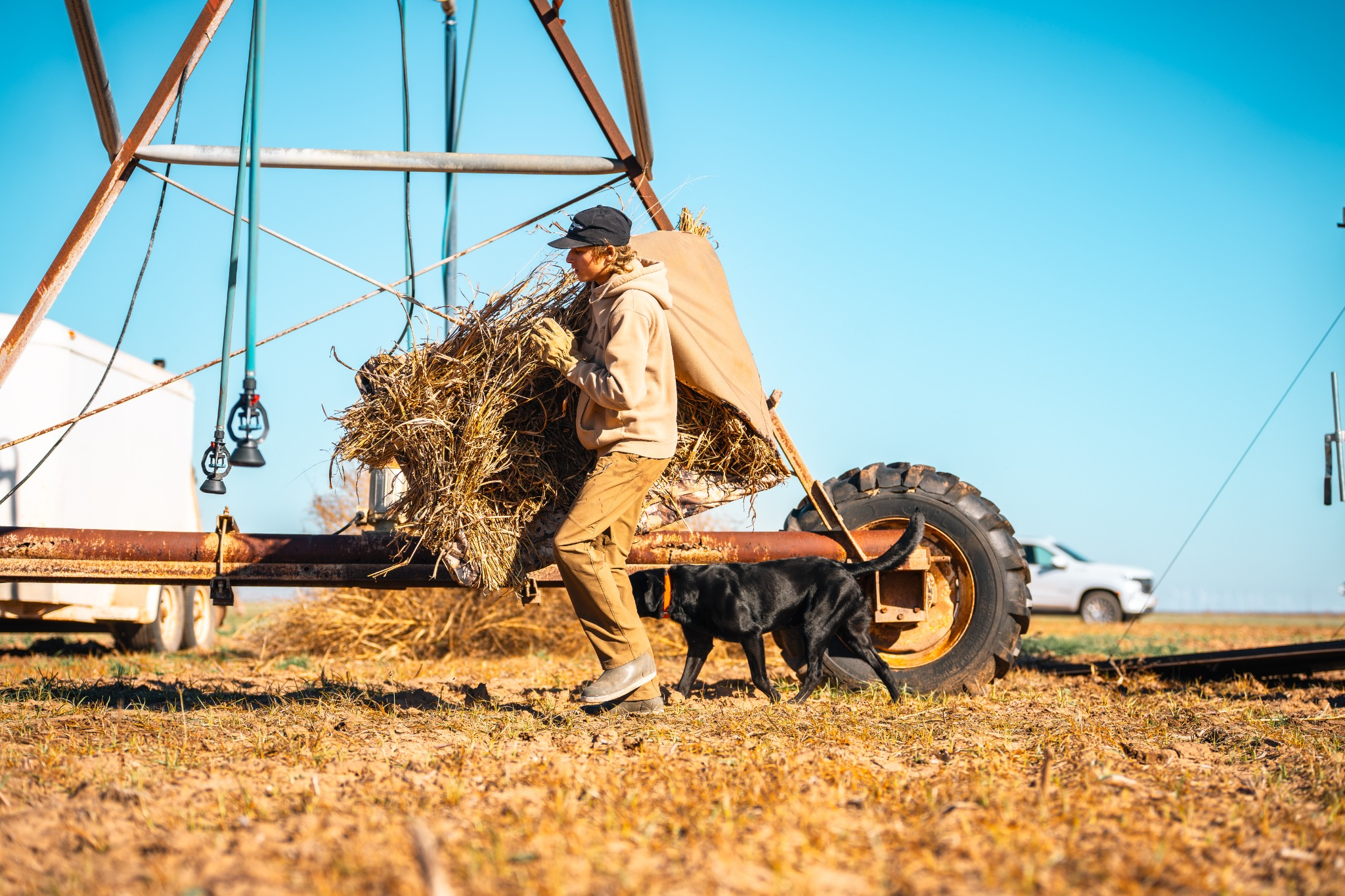
Get your Texas hunting property ready for fall with this landowner checklist. Cover food plots, stand placement, water, and trail cameras before season opener.