
Why Private Land Access Matters Most During the January Duck Season
Why Private Land Access Matters Most During the January Duck Season
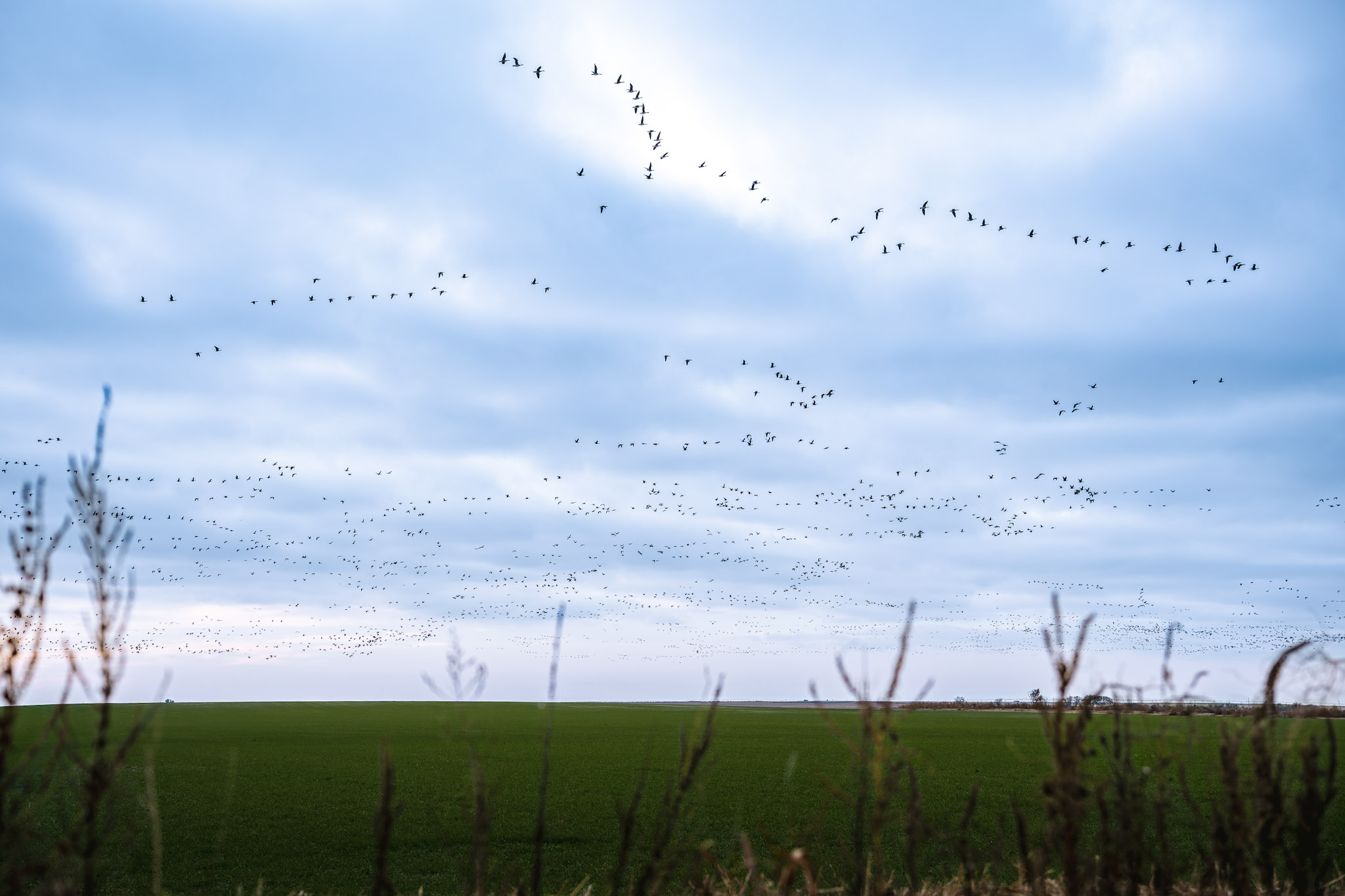
January marks the final push of the duck season, and for many hunters, it’s the most challenging—and rewarding—time to be in the field. The migration is still moving, cold fronts are active, and bird numbers can be incredible. But by January, waterfowl have been pressured for months. They’ve heard every call, seen every decoy spread, and watched hundreds of hunters walk into public marshes.
That’s why private land access becomes the most valuable advantage a duck hunter can have in January. When birds get wary, smart, and selective, where you hunt matters just as much as how you hunt.
Here’s why private land shines during the late season—and how BirdDog helps hunters get into those exclusive spots.
January Birds Are Smarter—And Harder to Fool
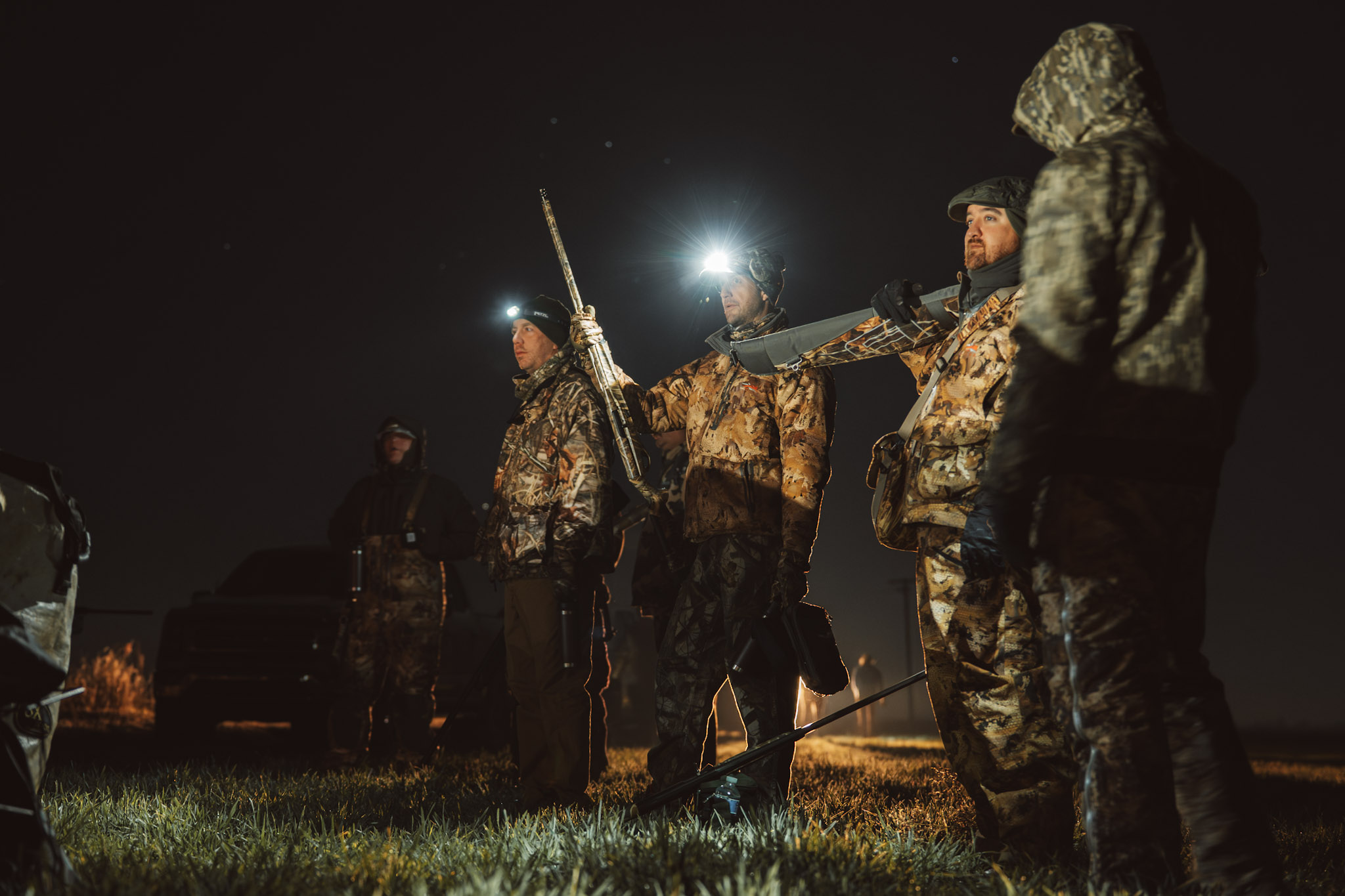
By the time January arrives, ducks have migrated through half the continent. They’ve learned to identify danger, avoid heavily pressured areas, and circle spreads that don’t look natural.
On public land, this means:
- Fewer finishing birds
- Earlier morning pressure
- Crowded access points
- Noisy or overcalled marshes
Private land, on the other hand, offers something completely different—quiet, low-pressure habitat that birds trust.
Private Land Holds Birds Longer
Ducks need security just as much as they need food and water. As hunting pressure increases on public areas, birds push deeper into:
- Private wetlands
- Flooded fields
- Rested ponds
- Managed impoundments
- Quiet backwaters that hunters can’t access without permission
These pockets can load up with late-season mallards, pintails, gadwall, wigeon, and teal—giving hunters consistent action when public land dries up.
Better Habitat = Better Late-Season Hunts
Many private landowners invest in:
- Moist-soil wetlands
- Flooded grain fields
- Controlled water levels
- Smartweed and millet habitat
- Well-brushed blinds
These improvements create ideal feeding and loafing conditions when natural resources become scarce in January. Ducks naturally gravitate toward places that offer dependable food and minimal pressure.
Public land simply can’t match the consistency.
Weather Swings Hit Private Land Differently
January cold fronts can freeze shallow public marshes overnight. But private properties with:
- Managed water depth
- Flooded crop fields
- Timber pockets
- Larger open ponds
…can stay huntable longer and continue attracting birds after public water locks up. This is where late-season magic happens
Reduced Competition Makes Hunting Safer and More Enjoyable
Anyone who has hunted public land in January knows it can get chaotic:
- Racing to spots before sunrise
- Sky-busting
- Overcalling
- Groups setting up too close
Private land eliminates all of that. Hunters can take their time, hunt with intention, and enjoy the full experience instead of fighting for a patch of marsh.
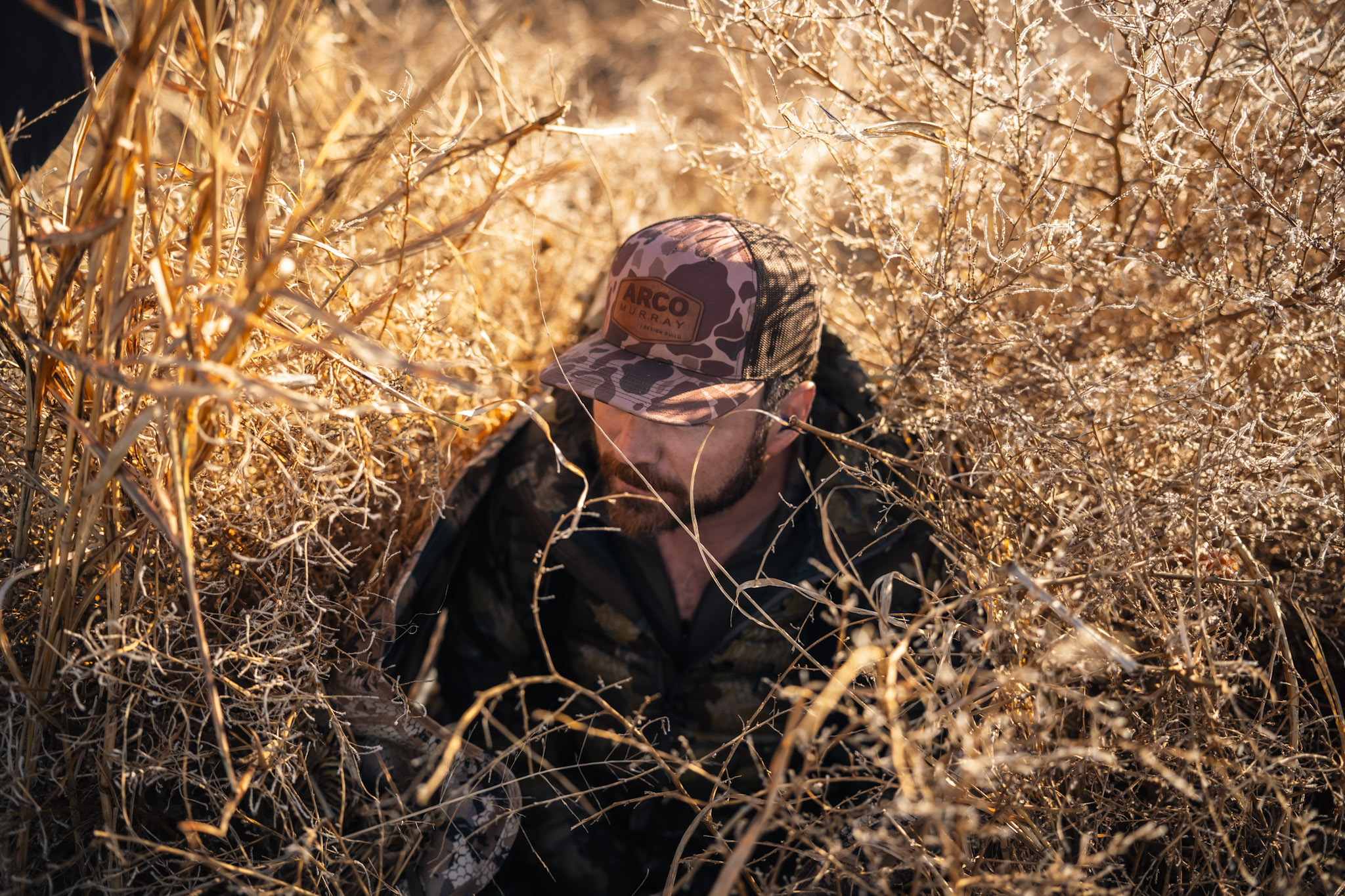 Private land hunting access BirdDog">
BirdDog Makes Private Land Access Simple
One of the biggest barriers to duck hunters is finding high-quality private land. BirdDog solves that by connecting hunters with landowners who offer:
- Managed waterfowl habitat
- Low-pressure environments
- Professionally brushed blinds
- Flooded fields and wetlands
- Full-service guided hunts
- Flexible booking options
BirdDog also ensures hunters are vetted and landowners are protected, creating a safe, respectful relationship on both sides.
January is the hardest month to find ducks—unless you’re on the right land.
Late Season = Opportunity for Landowners
January is also a great time for BirdDog landowners to offer discounted late-season waterfowl hunts to fill remaining spots. Hunters are motivated, the birds are still flying, and many are looking for one last chance to hunt before the season closes.
Discounted access:
- Creates new income opportunities
- Attracts returning hunters for future seasons
- Helps manage habitat and pressure responsibly
- Showcases the quality of the land during peak migration
It’s a win-win for both hunters and landowners.
Final Thoughts
January duck hunting is tough—but incredibly rewarding when you have access to the right ground. Private land provides the low-pressure, food-rich, well-managed habitat ducks rely on during the late season. And with BirdDog, gaining that access has never been easier.
If you want to finish the season strong—or if you're a landowner ready to showcase your property—BirdDog connects the right people with the right opportunities.
Read More...
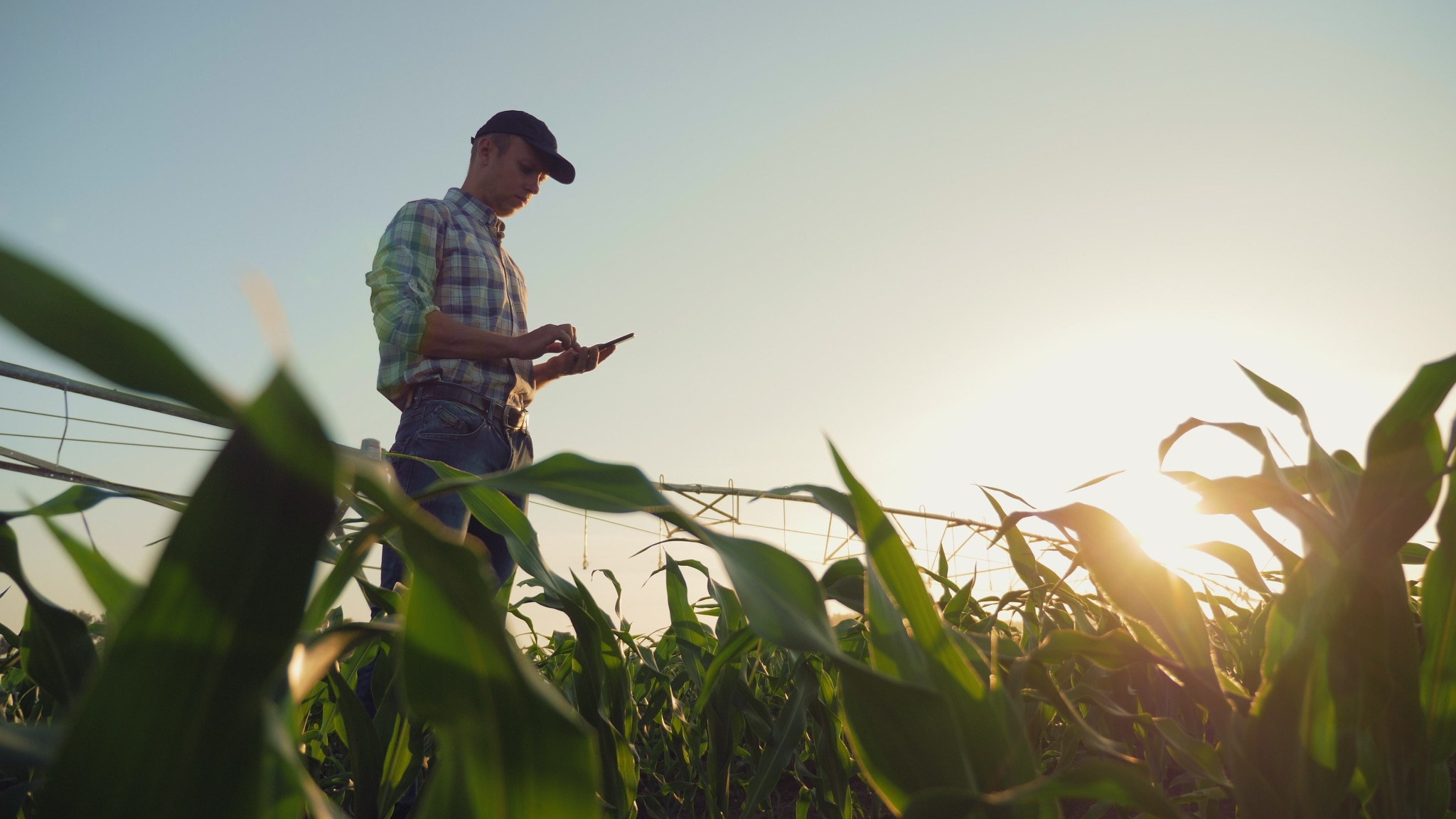
A practical guide to rural land loan types, what lenders evaluate, common mistakes landowners make, and how to approach financing a farm, ranch, or hunting property.
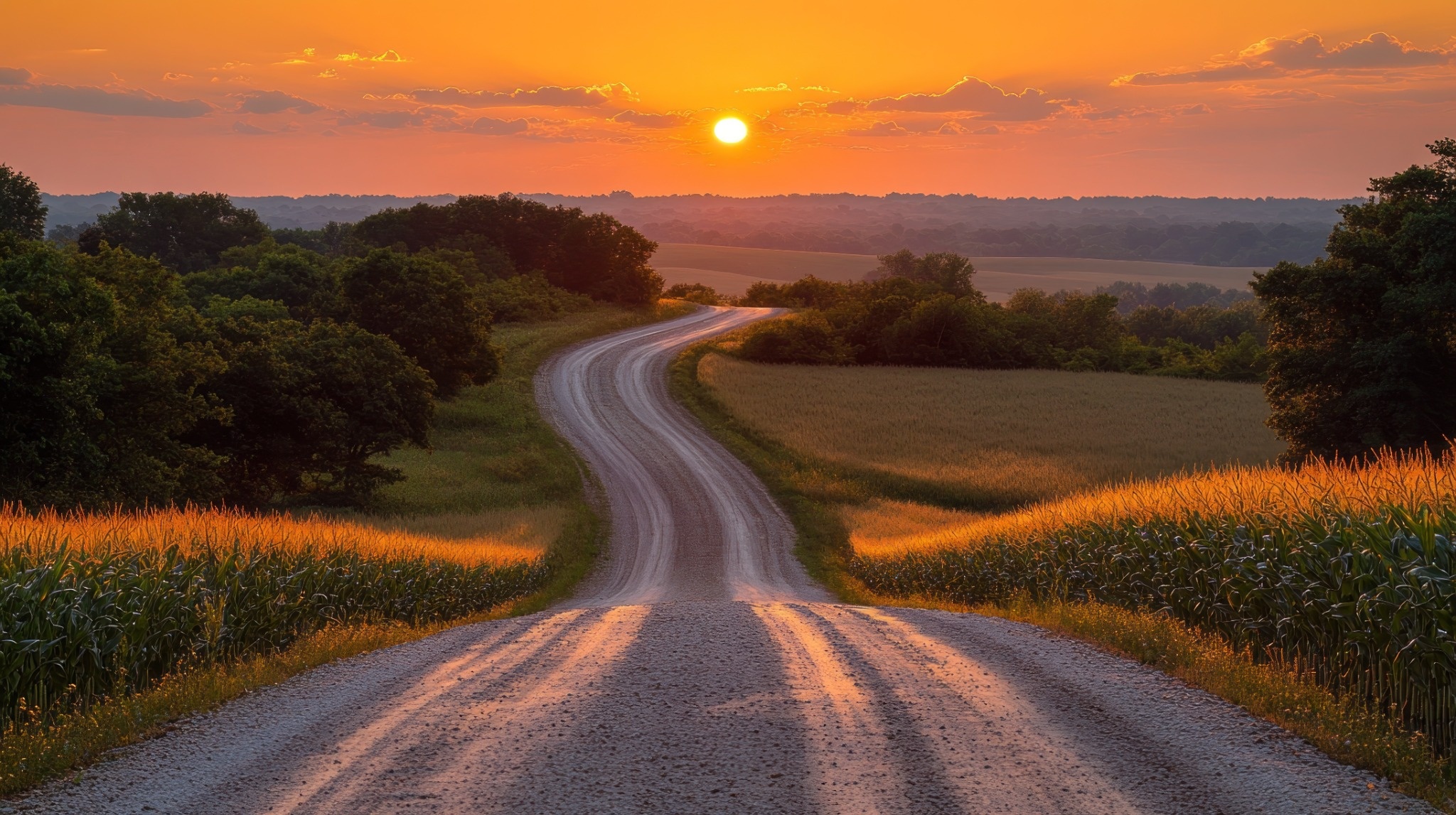
A look at how BirdDog helps landowners put their property to work through hunting and recreation, farm and grazing leases, Section 180 tax opportunities, financing, insurance, and land improvements.
A landowner's guide to identifying revenue potential in idle acreage and stacking multiple income streams — farming leases, hunting access, marketplace bookings, and Section 180 savings — through BirdDog.