
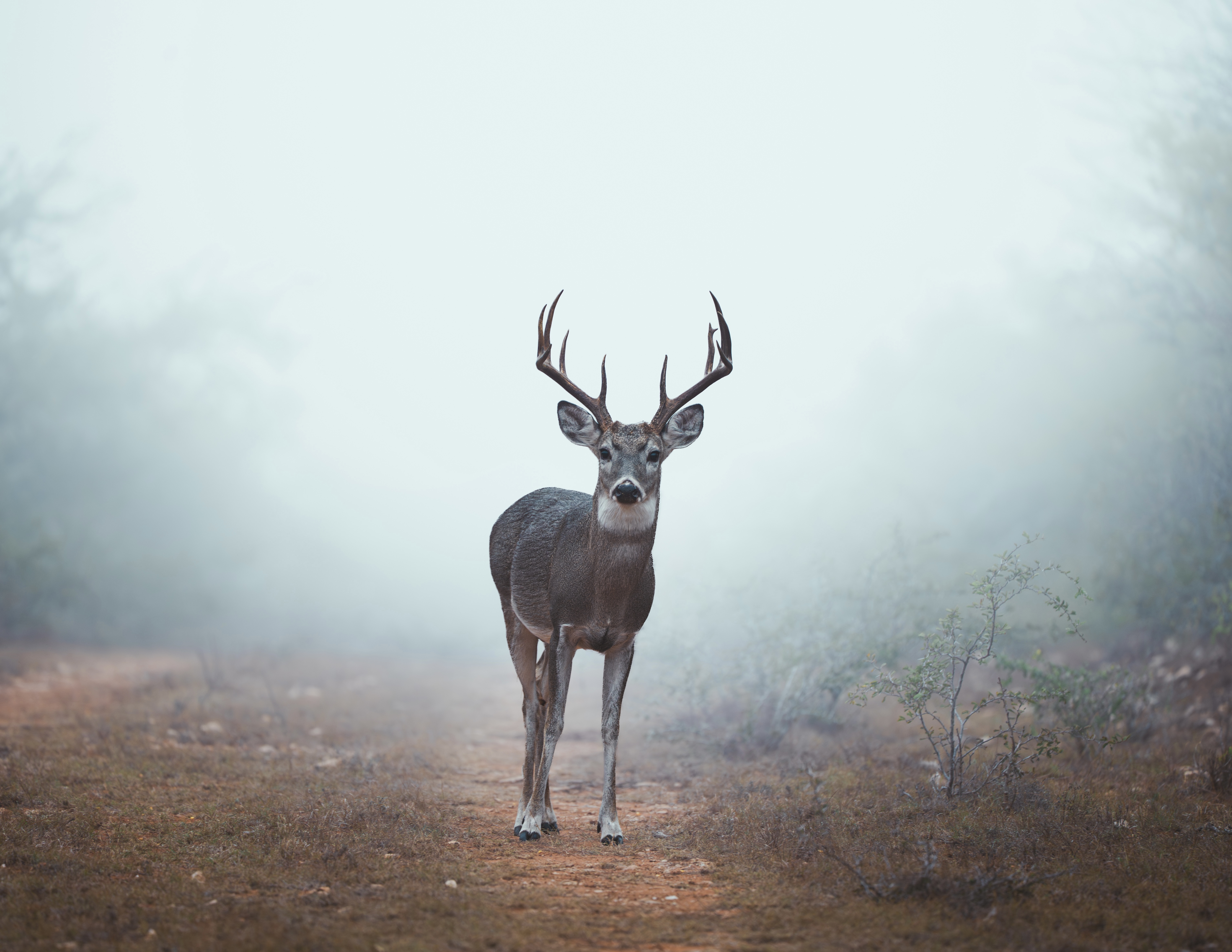
December Hunting in Texas – Big Game Strategies for the Late Season
December marks one of the most important windows in the Texas hunting calendar. As winter approaches, wildlife behavior shifts, temperatures drop, and the late season presents new opportunities for hunters across the state. From the final phases of the whitetail rut to increased hog activity and prime conditions for exotic species, December offers Texans a unique blend of challenge and reward.
Whether you are hunting private land through BirdDog or scouting new terrain, understanding late-season patterns is essential for consistent success. This guide breaks down the top big game hunting strategies for December in Texas, helping you make the most of the final stretch of the season.
1. Understanding December Whitetail Behavior
By December, the peak rut has ended in most of Texas, but there is still notable deer activity. Mature bucks begin transitioning into post-rut patterns, focusing heavily on recovery and food availability.
Key Whitetail Strategies
- Hunt food sources: After the rut, deer concentrate around high-calorie food such as winter wheat, acorns, leftover crops, and supplemental feed.
- Focus on midday movement: Bucks often move between bedding and feeding areas during late morning and early afternoon.
- Use trail cameras to identify new patterns: Post-rut behavior shifts quickly, making cameras essential for locating target bucks.
- Hunt cold fronts: Temperature drops can trigger increased movement throughout the day.
BirdDog’s private land access gives hunters a major advantage by providing low-pressure stands, managed food plots, and exclusive properties where mature bucks feel secure.

2. Hog Hunting in December
Feral hogs remain active year-round, but December often brings increased daytime movement and improved tracking conditions. Cooler temperatures allow hogs to travel further, and food scarcity draws them toward feeders and agricultural fields.
Successful Hog Tactics
- Focus on evening hunts and moonlit nights
- Use thermal optics when legal
- Set up around high-traffic feeder routes
- Target bedding thickets and water sources
For landowners, December is a critical month for hog management as populations continue to rise.
3. Exotic Species Opportunities
Texas offers outstanding late-season opportunities for exotic species such as axis, aoudad, blackbuck, scimitar oryx, and fallow deer. Many exotics remain active throughout winter and are not tied to whitetail rut cycles.
December Advantages
- Cooler temperatures increase daytime movement
- Visible winter coat patterns improve spotting
- Less pressure means better trophy opportunities
BirdDog connects hunters with reputable ranches where exotic game is plentiful and well-managed.
4. Late-Season Stand Placement and Property Strategy
December requires refined stand placement and stealth. Animals have endured months of pressure and become far more cautious.
Best Practices
- Set up stands near bedding cover and food sources
- Use quiet entry routes to reduce disturbance
- Hunt crosswinds and avoid direct downwind setups
- Rotate stand locations to prevent patterning
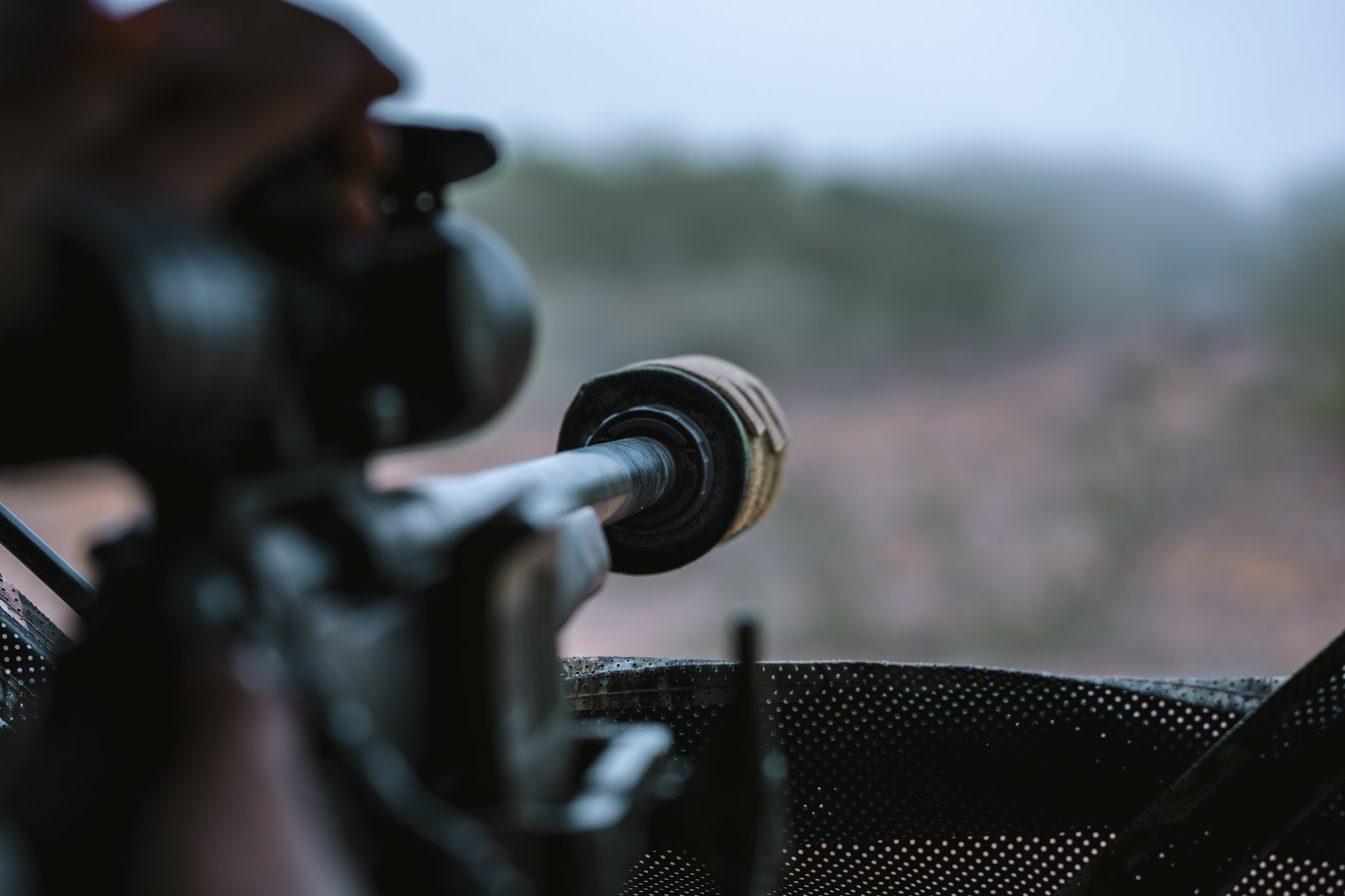
Low-pressure land, which BirdDog specializes in, is crucial for late-season success.
 Private land hunting access BirdDog">
5. Gear and Comfort for December Hunts
Cold mornings, wind, and extended sits demand proper preparation. Being comfortable allows hunters to stay longer and capitalize on midday movement.
Recommended Gear
- Insulated jacket and bibs
- Moisture-wicking base layers
- Waterproof boots
- Windproof gloves and headwear
- Hand warmers and seat cushions
- Backup batteries for optics and cameras
Proper clothing directly impacts success in late-season conditions.
6. Why December Is a Prime Month for Texas Hunters
While many seasons across the country wind down, December is one of the strongest hunting months in Texas. The combination of post-rut bucks, increased hog activity, and consistent exotic opportunities makes this a productive period for big-game hunters.
Additional benefits include:
- Reduced hunting pressure on private land
- Cooler weather encouraging movement
- Better visibility in thinned vegetation
- Opportunities to fill remaining tags
Hunters who adapt their approach to late-season patterns often see some of their best results during December.
7. BirdDog: Enhancing the Late-Season Hunting Experience
BirdDog connects hunters with private land opportunities that elevate December success. With access to low-pressure ranches, guided hunts, high-quality blinds, and landowner-verified property details, BirdDog ensures hunters can maximize their late-season strategies.
Whether pursuing whitetail, hogs, or exotics, BirdDog provides the access and insight needed to finish the season strong.
Conclusion
December hunting in Texas is a unique blend of strategy, patience, and understanding seasonal behavior. By focusing on food sources, adjusting to post-rut patterns, preparing for colder conditions, and utilizing quality private land access, hunters can make the most of the final month of the season.
BirdDog gives hunters the tools, land, and opportunities to approach late-season hunting with confidence and success.


Read More...
_4096KB.jpg)
A landowner's guide to identifying revenue potential in idle acreage and stacking multiple income streams — farming leases, hunting access, marketplace bookings, and Section 180 savings — through BirdDog.
_4096KB.jpg)
A plain-English explanation of the Section 180 tax deduction for landowners, who qualifies, realistic savings ranges by acreage, and how BirdDog has helped generate over $30 million in savings.
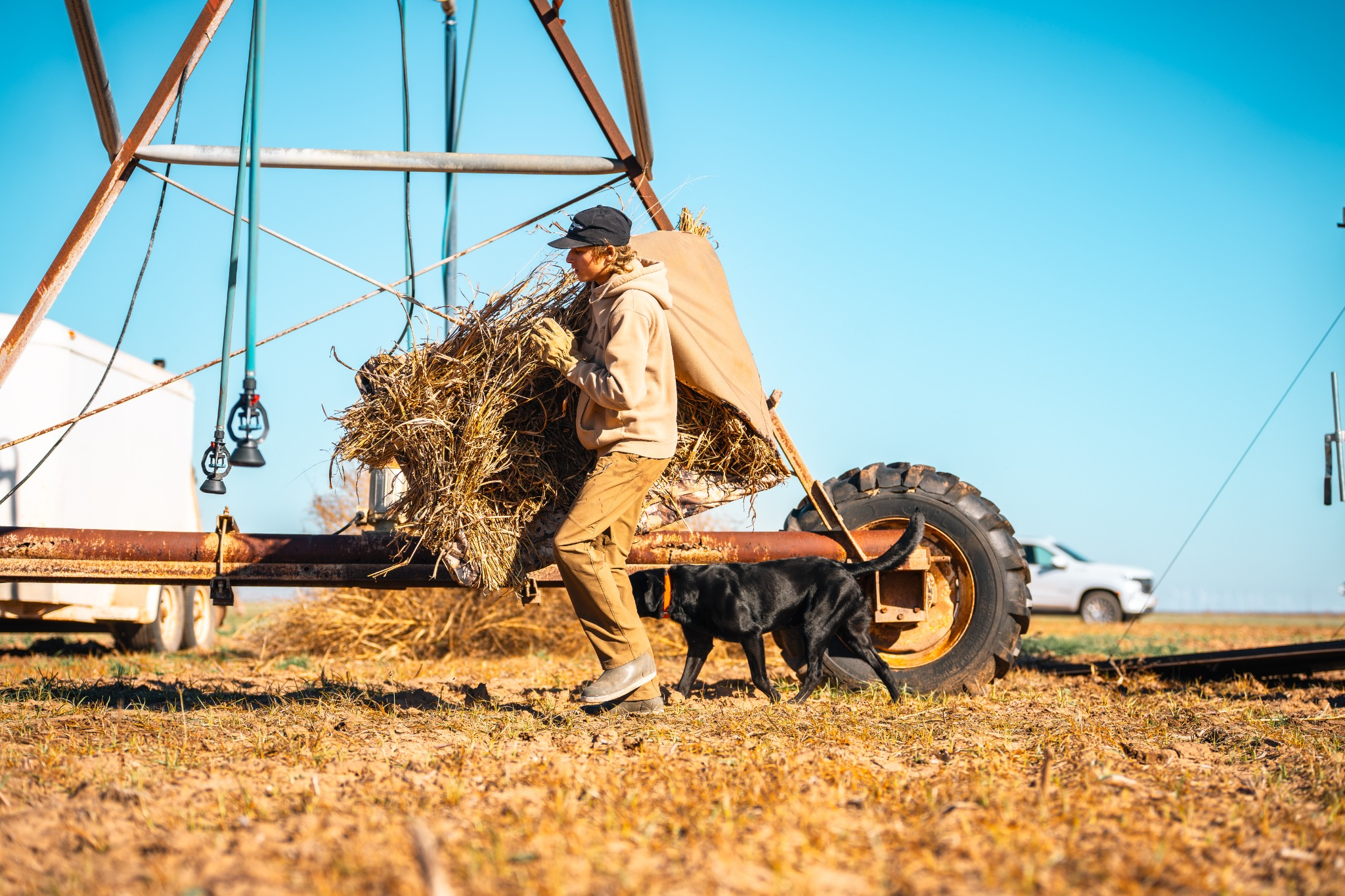
Get your Texas hunting property ready for fall with this landowner checklist. Cover food plots, stand placement, water, and trail cameras before season opener.