
Summer Dove Prep: Planting and Managing Fields for Better Hunting
What to plant, when to mow, and how to attract more doves to your field
The Work Happens Before the Season
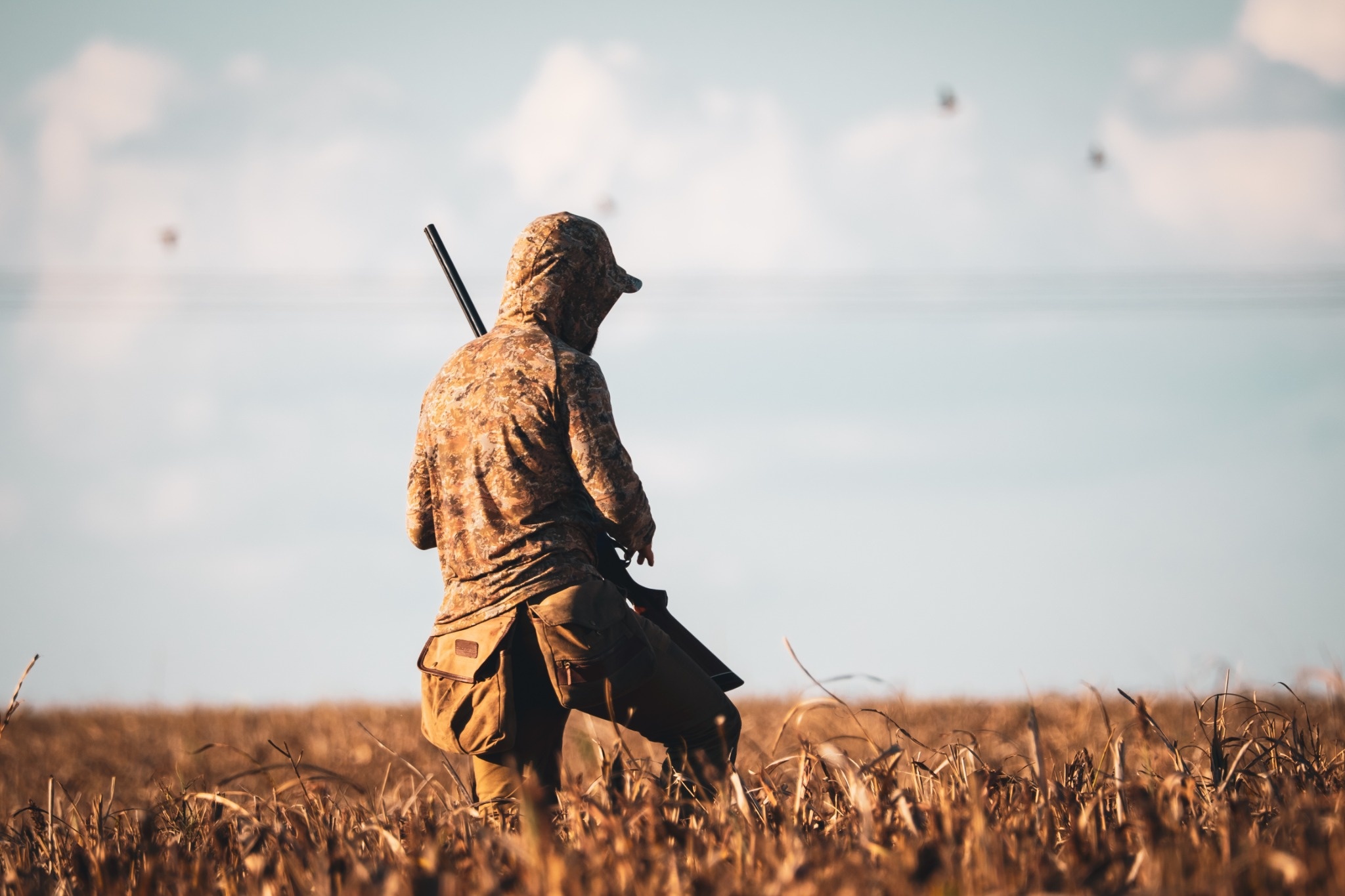
Most hunters show up on September 1 and hunt whatever field is available. The hunters who consistently shoot limits—who have the same spots producing year after year—started thinking about that hunt in June. Dove field management is a summer job, and the effort you put in now directly determines what flies over your decoys in the fall.
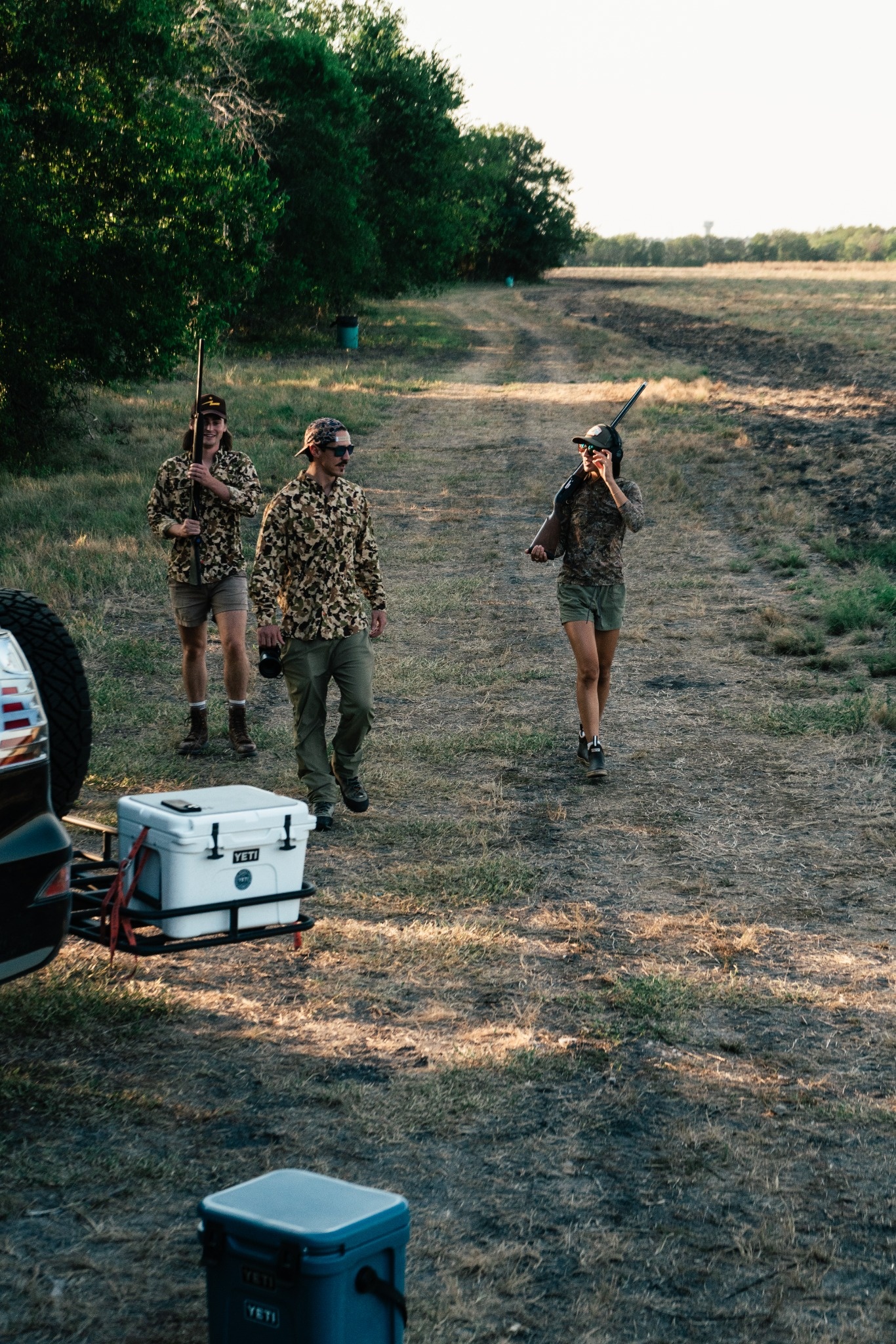
Texas white-winged dove and mourning dove seasons open September 1 in most of the state (always confirm current TPWD regulations—dates and bag limits can change). White-wings in South Texas run strong from September 1 through mid-month before many birds begin migrating south. Mourning doves provide good hunting statewide from September through November. Both species are grain feeders, and the fields they concentrate on are predictable: places with abundant food, gravel or grit, and water nearby.
What Doves Actually Need
Dove field management isn't complicated, but it requires understanding dove behavior. Doves don't scratch for food like turkeys—they pick seeds directly off bare or sparsely vegetated ground. A field thick with sunflowers at eight feet tall is useless if there's no bare ground underneath. Field management is as much about creating open feeding conditions as it is about growing the right crops.
The three things that concentrate doves are food, grit, and water. Get all three on or adjacent to the same location and you have a dove magnet. Grit is underrated—doves need small stones to aid digestion, and they actively seek areas with exposed sandy or gravelly soil. Roadways, disturbed soil areas, and disced fields provide it naturally. Water within a quarter mile holds birds around a field; doves water heavily in early morning and late afternoon.
Best Crops for Texas Dove Fields
Sunflowers are the gold standard for Texas dove field planting. Plant food plot sunflowers (not bird-seed hybrids that don't shatter) in late April through early June using a drill or broadcast seeder at 3-5 lbs per acre. They'll mature in 65-90 days, putting seed heads right at the early September opener. Plant in strips or blocks of 3-15 acres—larger fields are harder to work effectively and spread birds too thin for consistent shooting.
Grain sorghum (milo) is the second-best option and performs better in drier years. Plant in May-June, avoid the heavy-headed commercial varieties that don't shatter well, and mow or roller-crimp the crop at maturity to expose seeds on the ground. Sorghum fields that have been rolled or mowed two weeks before the opener often outperform standing crop fields because the food is accessible and visible.
Browntop and proso millet provide fast-maturing (45-60 days) supplemental options that work well planted in late July for September food availability. They're also excellent for quail and turkey management if you're running a multi-species program. Broadcast at 15-20 lbs per acre, disc in lightly, and let them grow.
Timing Your Field Prep
Work backward from September 1. Sunflowers planted June 1 will mature around August 25-30—perfect for the opener. Sorghum planted May 15 matures in 90-110 days, hitting September squarely. The goal is peak seed availability in the first two weeks of September when hunter pressure and bird numbers are at their highest.
Discing or mowing in the week before the season is a critical finishing step that many landowners skip. A field that's been tilled—even a strip through the middle—concentrates feeding activity on the disturbed soil where seeds are exposed and grit is accessible. Run a disc through sections of your field 7-10 days before opening day and watch how quickly doves find the bare soil.
Baiting regulations are strict and the penalties significant. Doves cannot be hunted over any area where grain has been scattered, spread, or deposited to lure birds. All hunting must occur over standing or harvested crops managed in accordance with normal agricultural practices. Know the rules before you open the gate on September 1.
Water and Perch Structure
A water source within 200-400 yards of your dove field changes the dynamic significantly. Birds watering in the morning and afternoon create natural flight lines that pass over or near the field. If you don't have a natural tank or pond, an elevated stock tank or even a portable water trough in a visible location can fill the gap.
Dead trees, power lines, and fence lines bordering the field function as perch structure—dove use elevated positions to scan for danger and rest between feeding bouts. If your field is surrounded by short vegetation with no elevated perches, install a few dead posts or leave some standing dead timber at the edges. It sounds like a small thing, but fields with good perch structure produce better shooting.
For landowners looking to offer dove hunting access or formalize a dove field management program across multiple leases, BirdDog's hunting lease platform makes it easy to list properties with detailed field descriptions, planting details, and access terms that attract serious dove hunters who will respect what you've built.
Put in the summer work. September will take care of itself.


Read More...
_4096KB.jpg)
A landowner's guide to identifying revenue potential in idle acreage and stacking multiple income streams — farming leases, hunting access, marketplace bookings, and Section 180 savings — through BirdDog.
_4096KB.jpg)
A plain-English explanation of the Section 180 tax deduction for landowners, who qualifies, realistic savings ranges by acreage, and how BirdDog has helped generate over $30 million in savings.
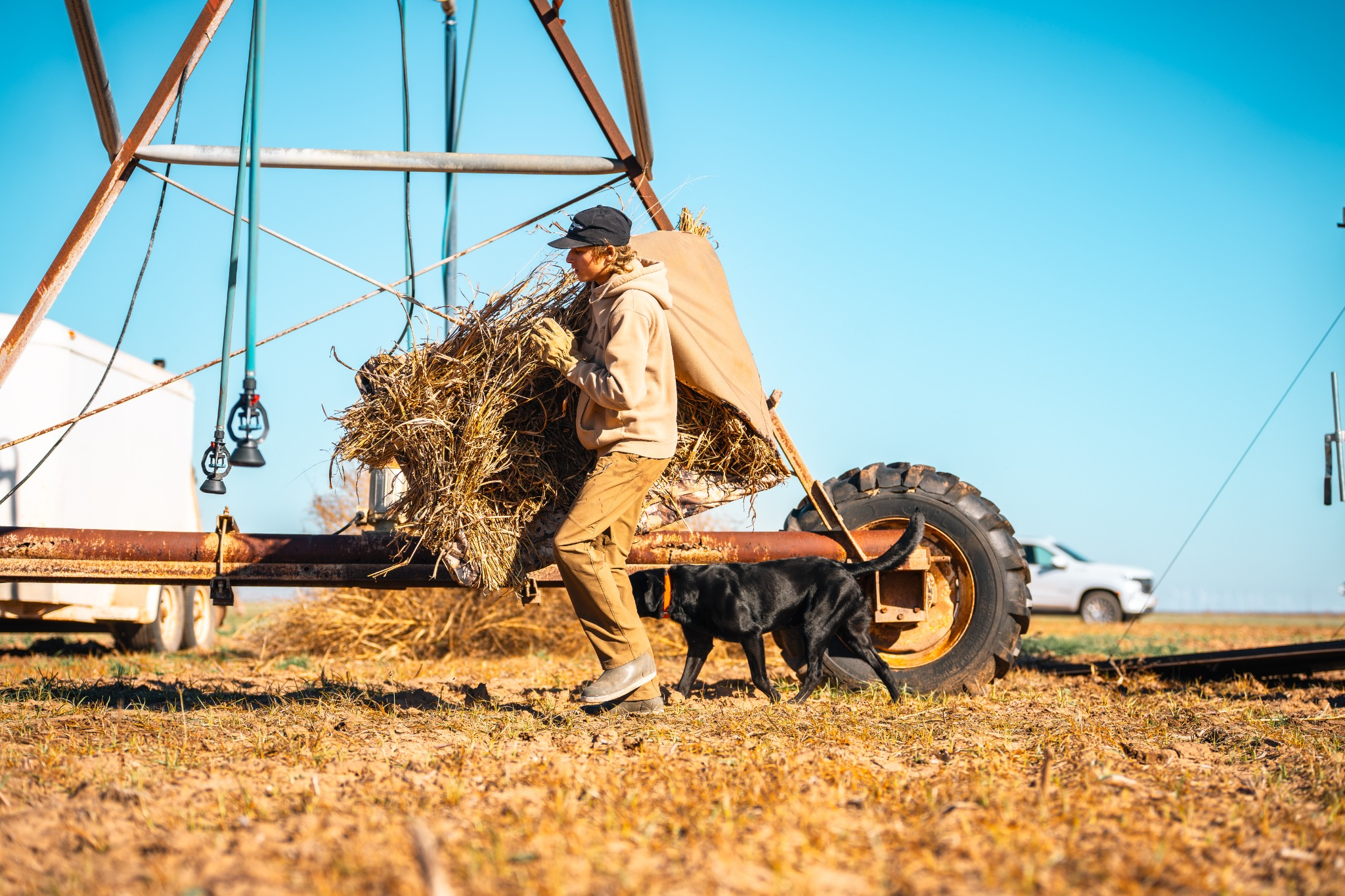
Get your Texas hunting property ready for fall with this landowner checklist. Cover food plots, stand placement, water, and trail cameras before season opener.