
Late Season Deer Hunting Strategies That Work
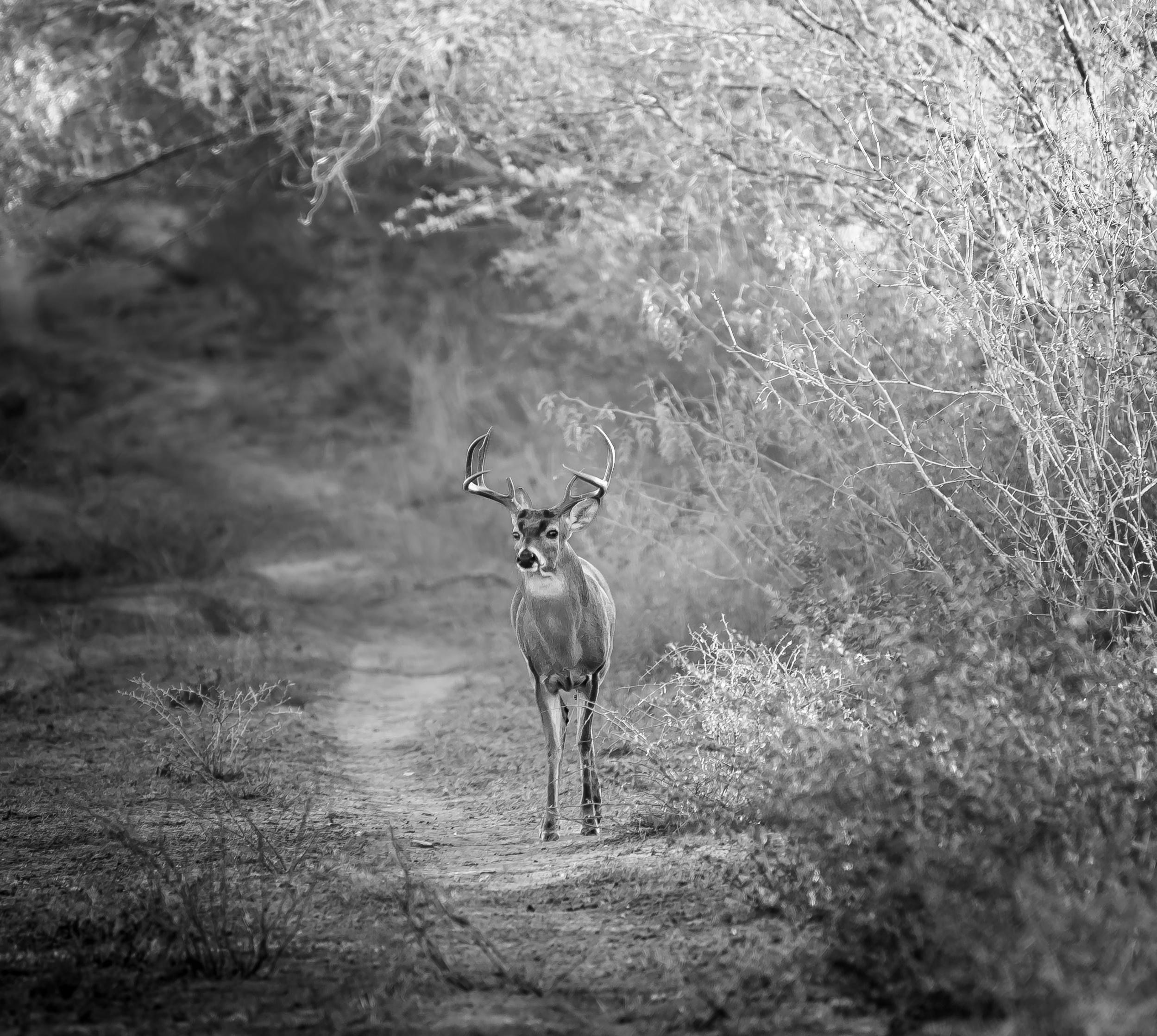
Late Season Deer Hunting Strategies That Work
When the rut winds down and hunting pressure peaks, many hunters assume their chances of tagging a mature buck are fading. But the late season can actually be one of the most rewarding times of year to hunt. Colder weather, shifting food sources, and predictable patterns make December and January prime for hunters who know how to adapt.
Whether you're chasing deer on private land or booking a late-season hunt through BirdDog, these strategies will help you stay effective when most hunters have already packed up.
1. Focus on Food: The #1 Late Season Strategy
By late season, bucks are worn down from the rut and focused on rebuilding energy. That makes food the single most important factor in deer movement.
Top late-season food sources include:
- Winter wheat
- Native browse
- Acorns still on the ground
- Grain fields (corn, milo, oats)
- Supplemental feed where legal
Positioning yourself between bedding and food is one of the most reliable tactics. Evening hunts become especially productive as deer funnel toward calories before nightfall.

2. Hunt Midday When Deer Feel Safe
Cold, quiet winter days often trigger midday movement. Mature bucks that avoided pressure at dawn may rise to feed when the woods settle down.
Late-season midday hotspots include:
- South-facing slopes
- Thick bedding cover
- Edges of staging areas
- Transition zones between timber and open ground
These soft movement windows are often overlooked—and perfect for disciplined hunters willing to sit longer.
3. Use Weather Fronts to Your Advantage
Late-season deer respond dramatically to changes in weather.
You’ll see the best activity:
- Right before a major cold front
- Immediately after a front when temperatures stabilize
- During shifts in wind direction
- Before snowfall or freezing rain in northern regions
If a cold snap is coming, be in the stand. Deer feed heavily when pressure builds.
4. Go Stealth Mode: Pressure Changes Everything
By late season, deer have endured months of hunting pressure. Mature bucks become extremely cautious.
Improve your odds by:
- Using quiet, low-traffic entry routes
- Removing noisy gear
- Staying scent-conscious in cold, still air
- Hunting from blinds brushed in well before the season
Low-pressure access is a major advantage of BirdDog properties, where landowners manage hunting pressure intentionally to keep deer less educated and more active.
5. Trail Cameras Tell the Truth
Late season patterns shift quickly, and trail cameras are the best way to track them.
Use cameras to identify:
- Evening food source patterns
- New bedding areas
- Late-season buck movement during cold snaps
- Travel corridors bucks use when avoiding pressure
Cell cameras make late-season scouting possible without disturbing deer.
 Private land hunting access BirdDog">
6. Stick With It: Late Season Rewards Persistence
Late-season deer hunting isn’t always fast-paced. But hunters who grind it out often see the biggest payoff. When food sources shrink and winter weather tightens deer movement, bucks become more predictable than at any other time.
This is the time of year when patience, consistency, and smart strategy can turn an entire season around.
How BirdDog Landowners Can Help Hunters Succeed
Late season is also a powerful opportunity for landowners using the BirdDog platform.
With many hunters still looking to fill tags, landowners can:
- Offer discounted late-season hunts
- Open late-season weekend packages
- Provide access to food plots, blinds, and low-pressure areas
- Promote properties with consistent winter deer movement
Discounted hunts are highly appealing during the late season, when hunters are motivated but options are limited. A lower price point helps landowners fill their calendar, while hunters benefit from private access during the most pattern-driven part of the season.
BirdDog makes this easy by:
- Allowing landowners to update pricing instantly
- Highlighting late-season openings on property profiles
- Connecting landowners with vetted hunters who respect their land
- Streamlining bookings, messaging, and payments
Late-season incentives not only generate revenue—they also build long-term relationships with returning hunters.
Final Thoughts
Late-season deer hunting is all about strategy. Plant yourself near food, pay attention to weather, hunt low-pressure areas, and stay patient. When most hunters have given up, those who stay focused often tag their best buck of the year.
And for landowners, late season offers an excellent chance to attract new clients with discounted hunts and targeted promotions through BirdDog. Smart pricing and well-managed access can turn winter openings into valuable income while providing hunters with high-quality opportunities.
If you're ready to hunt smarter—or list your land for late-season opportunities—BirdDog is here to help you make the most of the season.


Read More...
_4096KB.jpg)
A landowner's guide to identifying revenue potential in idle acreage and stacking multiple income streams — farming leases, hunting access, marketplace bookings, and Section 180 savings — through BirdDog.
_4096KB.jpg)
A plain-English explanation of the Section 180 tax deduction for landowners, who qualifies, realistic savings ranges by acreage, and how BirdDog has helped generate over $30 million in savings.
Get your Texas hunting property ready for fall with this landowner checklist. Cover food plots, stand placement, water, and trail cameras before season opener.