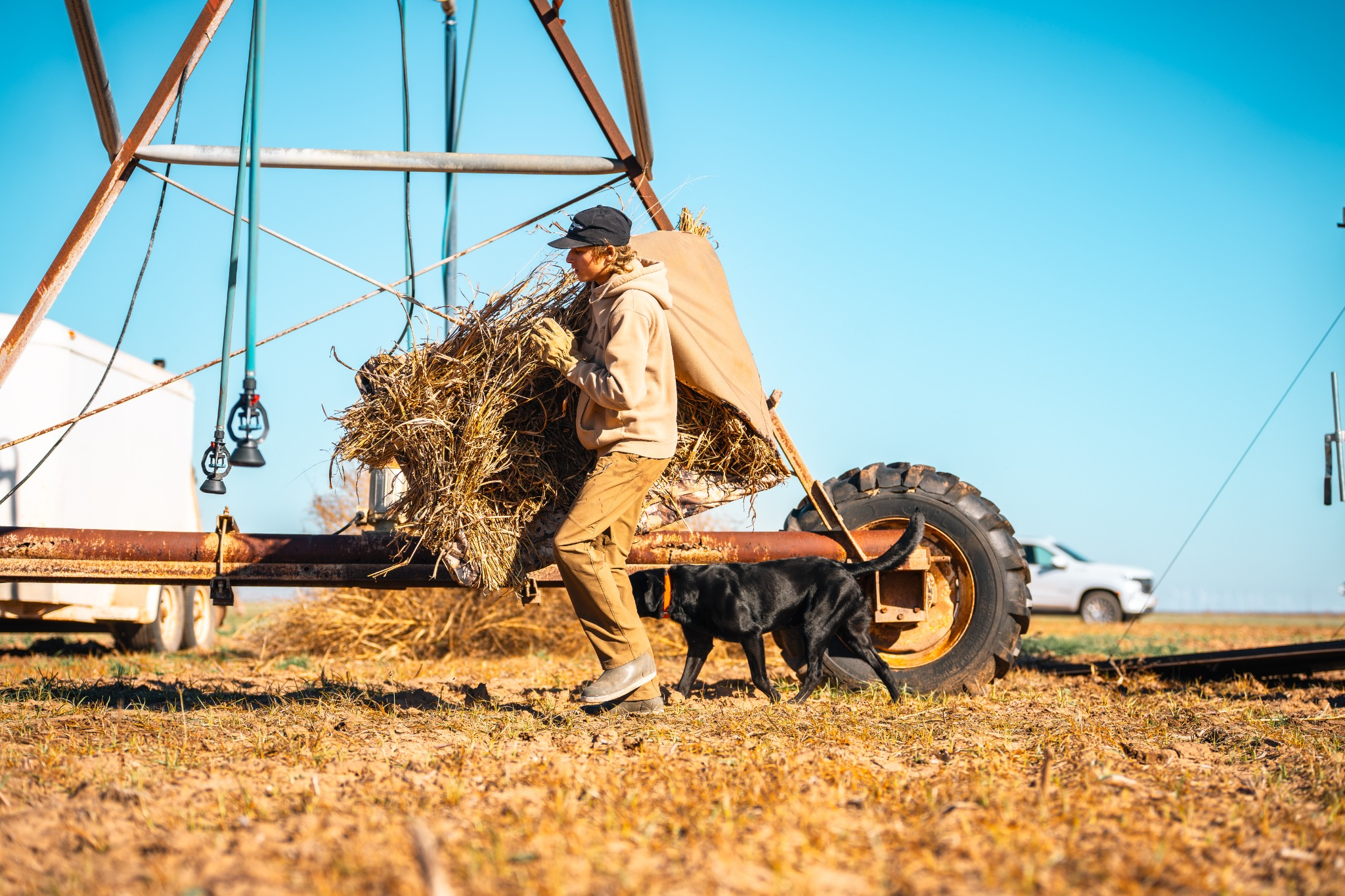
Setting Up Your First Waterfowl Spread

A Beginner’s Guide

Setting Up Your First Waterfowl Spread: A Beginner’s Guide

There’s nothing quite like a cold Texas morning in the marsh—the sound of wings, the distant chatter of ducks, and the anticipation of a good hunt. Whether you’re just getting started or finally setting up your own lease, understanding how to build an effective waterfowl spread is key to consistent success.

At BirdDog, we help waterfowl hunters across Texas—from first-timers to seasoned duck chasers—access private land, guided hunts, and ready-to-hunt blind setups. But before you hit the water, here’s how to design a spread that brings ducks right into the decoys.

Start Simple: You Don’t Need 100 Decoys

One of the biggest mistakes new hunters make is overcomplicating their setup. You don’t need a trailer full of decoys to fool ducks—just the right mix and placement.

For a basic yet deadly Texas duck decoy spread, start with:

  • A dozen mallard decoys (mix of drakes and hens)
  • A few teal decoys for added realism, especially early season
  • One or two spinning-wing decoys for movement and flash

This setup mimics a small group of relaxed birds on the water, which looks natural and approachable to ducks working overhead.

Decoy Spread Shapes That Work

The way you lay out your decoys can make or break a hunt. Ducks approach into the wind, so always build your spread to guide them into a clean landing pocket where you can take safe, ethical shots.

Here are a few spread shapes that work in nearly any Texas hunting environment:

  • J-Hook: A curved line of decoys that funnels birds into the open bend — perfect for moderate wind days.
  • U-Shape: Leaves a clear “pocket” in front of the blind, creating a safe landing zone that feels inviting to incoming ducks.
  • Line + Blob: Mimics real duck behavior — a loose line of decoys leading to a small cluster of “resting” birds. This works great for potholes, tanks, and flooded fields.

Blind Placement: Stay Hidden, Stay Patient

Even the best decoy spread won’t help if ducks spot you. Concealment and positioning are everything.

Keep these waterfowl blind setup tips in mind:

  • Always hunt the wind: Ducks land into the wind—set up accordingly.
  • Brush in heavy: Blend your blind with native vegetation and keep it dark and natural.
  • Stay in the shadows: Avoid sunlight reflecting off faces, gear, or gun barrels.
  • Keep movement to a minimum: Inside the blind, less is more. Ducks see everything.

A well-brushed blind paired with a simple, confident spread is often far more effective than an overcomplicated setup.

Pre-Hunt Prep: Control What You Can

Success starts before sunrise. Make sure you’re ready the day before the hunt:

  • Test your gear: Waders, calls, batteries, and decoys should all be checked in advance.
  • Bring dry gloves and extra shells: You’ll thank yourself later.
  • Be early: Ducks won’t wait for you—set up at least 45 minutes before shooting light.
  • Scout your spot: Know where ducks are feeding and how they’re using the wind.

A few extra minutes of preparation can turn a frustrating hunt into a full strap.

Want to Step It Up? BirdDog Can Help

If you’re ready to take your Texas waterfowl hunting to the next level, BirdDog offers access to private waterfowl leases and guided hunts across the state.

Our network of landowners, outfitters, and waterfowl experts ensures every hunt includes:

  • Professionally set up blinds and decoy spreads
  • Scouting and local migration reports
  • Calling support from experienced guides
  • Premium lodging and private property access

From the coastal prairies and flooded rice fields to East Texas timber and North Texas reservoirs, BirdDog connects hunters with the best waterfowl experiences Texas has to offer.

The Bottom Line

Building a good duck spread doesn’t require fancy gear or hundreds of decoys—it’s about understanding the birds, the wind, and your surroundings. With a thoughtful layout and solid concealment, you’ll be surprised how quickly the skies start to come alive.

And when you’re ready to skip the guesswork and hunt prime private land, BirdDog is here to make it happen—connecting you directly with landowners and outfitters who live and breathe waterfowl.

Read More...

Hunting & Adventure
December Waterfowl Hunting – Maximizing the Migration

December is one of the most action-packed months for Texas duck and goose hunting. As winter pushes deeper into the Central Flyway, Texas becomes a major stopover for migrating birds seeking food, mild weather, and quality habitat. From the Gulf Coast marshes to North Texas reservoirs, December offers some of the most productive waterfowl hunting opportunities of the season.

Read More
Hunting & Adventure
December Hunting Best Practices

December marks one of the most exciting periods of the hunting year. Cooler weather, shifting wildlife behavior, and reduced hunting pressure create prime opportunities across Texas and beyond. Whether you're heading out for whitetail, hogs, waterfowl, or upland birds, late-season hunting requires strategy, preparation, and the right mindset.

Read More
Hunting & Adventure
December Hunting in Texas

December marks one of the most important windows in the Texas hunting calendar. As winter approaches, wildlife behavior shifts, temperatures drop, and the late season presents new opportunities for hunters across the state. From the final phases of the whitetail rut to increased hog activity and prime conditions for exotic species, December offers Texans a unique blend of challenge and reward.

Read More

Setting Up Your First Waterfowl Spread

A Beginner’s Guide

Setting Up Your First Waterfowl Spread: A Beginner’s Guide

There’s nothing quite like a cold Texas morning in the marsh—the sound of wings, the distant chatter of ducks, and the anticipation of a good hunt. Whether you’re just getting started or finally setting up your own lease, understanding how to build an effective waterfowl spread is key to consistent success.

At BirdDog, we help waterfowl hunters across Texas—from first-timers to seasoned duck chasers—access private land, guided hunts, and ready-to-hunt blind setups. But before you hit the water, here’s how to design a spread that brings ducks right into the decoys.

Start Simple: You Don’t Need 100 Decoys

One of the biggest mistakes new hunters make is overcomplicating their setup. You don’t need a trailer full of decoys to fool ducks—just the right mix and placement.

For a basic yet deadly Texas duck decoy spread, start with:

  • A dozen mallard decoys (mix of drakes and hens)
  • A few teal decoys for added realism, especially early season
  • One or two spinning-wing decoys for movement and flash

This setup mimics a small group of relaxed birds on the water, which looks natural and approachable to ducks working overhead.

Decoy Spread Shapes That Work

The way you lay out your decoys can make or break a hunt. Ducks approach into the wind, so always build your spread to guide them into a clean landing pocket where you can take safe, ethical shots.

Here are a few spread shapes that work in nearly any Texas hunting environment:

  • J-Hook: A curved line of decoys that funnels birds into the open bend — perfect for moderate wind days.
  • U-Shape: Leaves a clear “pocket” in front of the blind, creating a safe landing zone that feels inviting to incoming ducks.
  • Line + Blob: Mimics real duck behavior — a loose line of decoys leading to a small cluster of “resting” birds. This works great for potholes, tanks, and flooded fields.

Blind Placement: Stay Hidden, Stay Patient

Even the best decoy spread won’t help if ducks spot you. Concealment and positioning are everything.

Keep these waterfowl blind setup tips in mind:

  • Always hunt the wind: Ducks land into the wind—set up accordingly.
  • Brush in heavy: Blend your blind with native vegetation and keep it dark and natural.
  • Stay in the shadows: Avoid sunlight reflecting off faces, gear, or gun barrels.
  • Keep movement to a minimum: Inside the blind, less is more. Ducks see everything.

A well-brushed blind paired with a simple, confident spread is often far more effective than an overcomplicated setup.

Pre-Hunt Prep: Control What You Can

Success starts before sunrise. Make sure you’re ready the day before the hunt:

  • Test your gear: Waders, calls, batteries, and decoys should all be checked in advance.
  • Bring dry gloves and extra shells: You’ll thank yourself later.
  • Be early: Ducks won’t wait for you—set up at least 45 minutes before shooting light.
  • Scout your spot: Know where ducks are feeding and how they’re using the wind.

A few extra minutes of preparation can turn a frustrating hunt into a full strap.

Want to Step It Up? BirdDog Can Help

If you’re ready to take your Texas waterfowl hunting to the next level, BirdDog offers access to private waterfowl leases and guided hunts across the state.

Our network of landowners, outfitters, and waterfowl experts ensures every hunt includes:

  • Professionally set up blinds and decoy spreads
  • Scouting and local migration reports
  • Calling support from experienced guides
  • Premium lodging and private property access

From the coastal prairies and flooded rice fields to East Texas timber and North Texas reservoirs, BirdDog connects hunters with the best waterfowl experiences Texas has to offer.

The Bottom Line

Building a good duck spread doesn’t require fancy gear or hundreds of decoys—it’s about understanding the birds, the wind, and your surroundings. With a thoughtful layout and solid concealment, you’ll be surprised how quickly the skies start to come alive.

And when you’re ready to skip the guesswork and hunt prime private land, BirdDog is here to make it happen—connecting you directly with landowners and outfitters who live and breathe waterfowl.

Read More...

Hunting & Adventure
December Waterfowl Hunting – Maximizing the Migration

December is one of the most action-packed months for Texas duck and goose hunting. As winter pushes deeper into the Central Flyway, Texas becomes a major stopover for migrating birds seeking food, mild weather, and quality habitat. From the Gulf Coast marshes to North Texas reservoirs, December offers some of the most productive waterfowl hunting opportunities of the season.

Read More
Hunting & Adventure
December Hunting Best Practices

December marks one of the most exciting periods of the hunting year. Cooler weather, shifting wildlife behavior, and reduced hunting pressure create prime opportunities across Texas and beyond. Whether you're heading out for whitetail, hogs, waterfowl, or upland birds, late-season hunting requires strategy, preparation, and the right mindset.

Read More
Hunting & Adventure
December Hunting in Texas

December marks one of the most important windows in the Texas hunting calendar. As winter approaches, wildlife behavior shifts, temperatures drop, and the late season presents new opportunities for hunters across the state. From the final phases of the whitetail rut to increased hog activity and prime conditions for exotic species, December offers Texans a unique blend of challenge and reward.

Read More