USDA Launches Major Regenerative Pilot Program: What Landowners Need to Know

USDA Launches Major Regenerative Pilot Program: What Landowners Need to Know

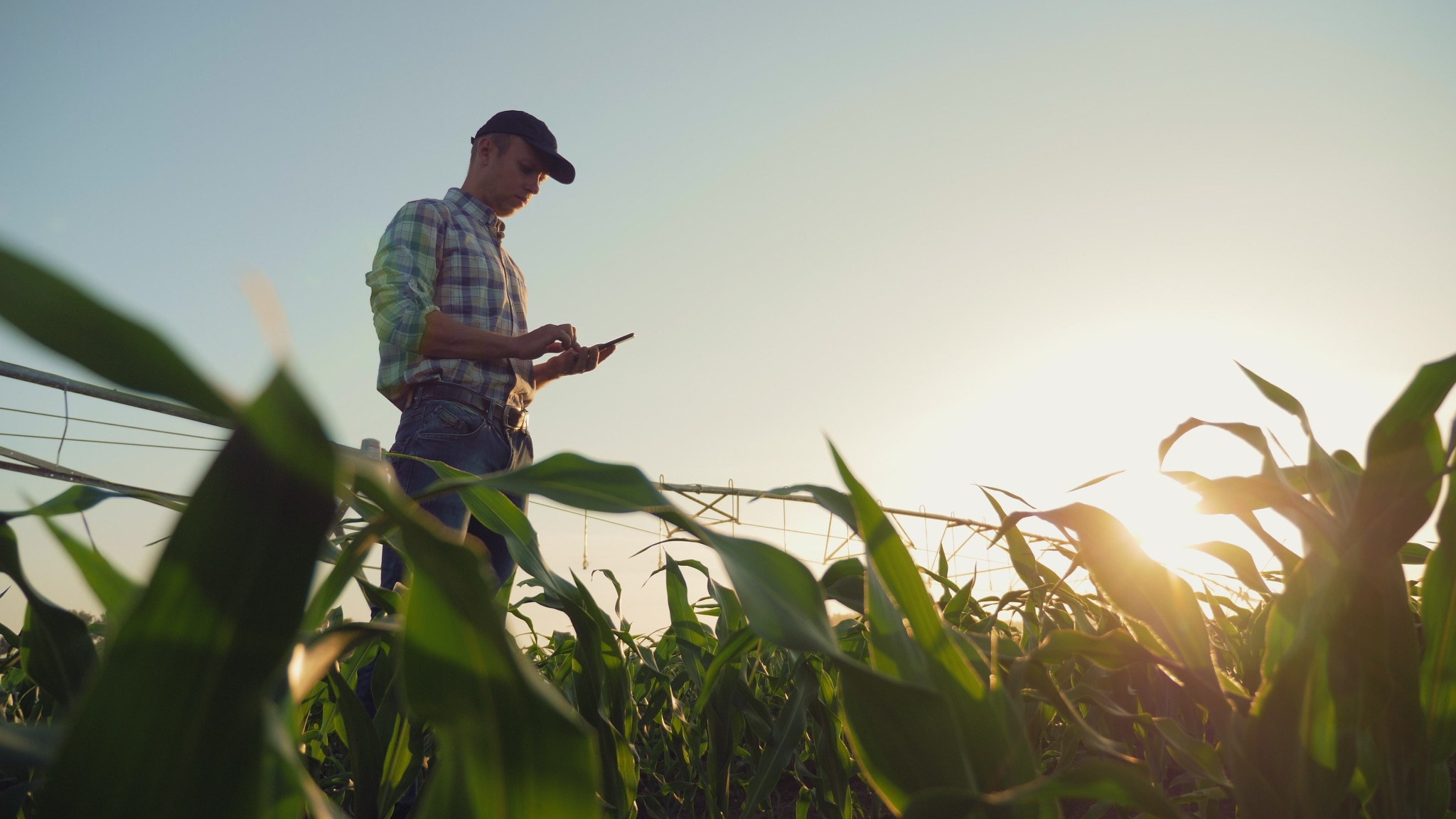
The U.S. Department of Agriculture (USDA) recently announced a $700 million Regenerative Pilot Program designed to help agricultural producers — including farmers, ranchers, and private landowners — adopt and implement regenerative practices that improve soil health, enhance water quality, and strengthen long-term land productivity. Natural Resources Conservation Service

This is a significant opportunity for landowners interested in conservation, regenerative agriculture, and making a long-term investment in the health and productivity of their land. In this post, we break down what the program is, who it’s for, what it pays for, and how you can apply — including an important January 15 batching deadline.

What Is the Regenerative Pilot Program?

At its core, the USDA’s Regenerative Pilot Program is a farmer-first, outcomes-based conservation initiative administered by the Natural Resources Conservation Service (NRCS). The program helps landowners adopt regenerative agriculture practices through financial and technical assistance tied to two of USDA’s main conservation programs:

  • Environmental Quality Incentives Program (EQIP)

  • Conservation Stewardship Program (CSP)

By combining these existing tools into a more streamlined process, the Regenerative Pilot Program aims to reduce administrative hurdles and make it easier to fund whole-farm plans that address multiple resource concerns — such as soil health, water resources, biodiversity, and natural vitality — under one coordinated conservation framework. Quality Assurance & Food Safety

Why This Matters to Landowners

Here’s what this could mean for you:

Support for Whole-Farm Planning — The program encourages comprehensive conservation plans instead of piecemeal practice adoption, helping you think holistically about your land and its natural resources.

Financial & Technical Assistance — Through EQIP and CSP funding, you can receive support to implement regenerative practices that might otherwise be cost-prohibitive.

Soil Health Focus — Practices that improve soil structure, organic matter, and biological activity are a key part of regenerative approaches, which can increase long-term land productivity and resilience.Available in All 50 States — The program is offered nationwide and sets aside a portion of EQIP and CSP funding specifically for regenerative projects.

Important Deadline — January 15, 2026

To participate in the first batching period, landowners need to have applications submitted and received by January 15, 2026. NRCS uses batching dates to evaluate and fund groups of applications together — so missing this deadline can delay your participation until the next batch.

States may announce additional batching periods later in the year that include regenerative opportunities, but securing a spot in the first cycle gives you a head start. Natural Resources Conservation Service

How to Apply

Here’s a quick process you can follow:

  1. Contact Your Local NRCS Service Center — That’s where applications are submitted and where technical assistance begins.

  2. Discuss a Whole-Farm Conservation Plan — NRCS staff can help assess natural resource concerns and suggest regenerative practices suited to your land.

  3. Submit Your Application by Jan. 15 — Make sure your plan is complete and submitted before the batching deadline.

Bottom Line

If you’re a landowner committed to improving the health of your land — and interested in financial and technical support to do so — the USDA’s new Regenerative Pilot Program is worth exploring. With $700 million in backing, a streamlined application process, and a January 15 batching deadline, now is the time to connect with NRCS and start planning. 

Read More...

Hunting & Adventure
Why Private Land Access Matters Most During the January Duck Season

January marks the final push of the duck season, and for many hunters, it’s the most challenging—and rewarding—time to be in the field. The migration is still moving, cold fronts are active, and bird numbers can be incredible. But by January, waterfowl have been pressured for months. They’ve heard every call, seen every decoy spread, and watched hundreds of hunters walk into public marshes.

Read More
Landowner Resources
Late Season Deer Hunting Strategies That Work

When the rut winds down and hunting pressure peaks, many hunters assume their chances of tagging a mature buck are fading. But the late season can actually be one of the most rewarding times of year to hunt. Colder weather, shifting food sources, and predictable patterns make December and January prime for hunters who know how to adapt.

Read More
Hunting & Adventure
December Waterfowl Hunting – Maximizing the Migration

December is one of the most action-packed months for Texas duck and goose hunting. As winter pushes deeper into the Central Flyway, Texas becomes a major stopover for migrating birds seeking food, mild weather, and quality habitat. From the Gulf Coast marshes to North Texas reservoirs, December offers some of the most productive waterfowl hunting opportunities of the season.

Read More

USDA Launches Major Regenerative Pilot Program: What Landowners Need to Know

USDA Launches Major Regenerative Pilot Program: What Landowners Need to Know

The U.S. Department of Agriculture (USDA) recently announced a $700 million Regenerative Pilot Program designed to help agricultural producers — including farmers, ranchers, and private landowners — adopt and implement regenerative practices that improve soil health, enhance water quality, and strengthen long-term land productivity. Natural Resources Conservation Service

This is a significant opportunity for landowners interested in conservation, regenerative agriculture, and making a long-term investment in the health and productivity of their land. In this post, we break down what the program is, who it’s for, what it pays for, and how you can apply — including an important January 15 batching deadline.

What Is the Regenerative Pilot Program?

At its core, the USDA’s Regenerative Pilot Program is a farmer-first, outcomes-based conservation initiative administered by the Natural Resources Conservation Service (NRCS). The program helps landowners adopt regenerative agriculture practices through financial and technical assistance tied to two of USDA’s main conservation programs:

  • Environmental Quality Incentives Program (EQIP)

  • Conservation Stewardship Program (CSP)

By combining these existing tools into a more streamlined process, the Regenerative Pilot Program aims to reduce administrative hurdles and make it easier to fund whole-farm plans that address multiple resource concerns — such as soil health, water resources, biodiversity, and natural vitality — under one coordinated conservation framework. Quality Assurance & Food Safety

Why This Matters to Landowners

Here’s what this could mean for you:

Support for Whole-Farm Planning — The program encourages comprehensive conservation plans instead of piecemeal practice adoption, helping you think holistically about your land and its natural resources.

Financial & Technical Assistance — Through EQIP and CSP funding, you can receive support to implement regenerative practices that might otherwise be cost-prohibitive.

Soil Health Focus — Practices that improve soil structure, organic matter, and biological activity are a key part of regenerative approaches, which can increase long-term land productivity and resilience.Available in All 50 States — The program is offered nationwide and sets aside a portion of EQIP and CSP funding specifically for regenerative projects.

Important Deadline — January 15, 2026

To participate in the first batching period, landowners need to have applications submitted and received by January 15, 2026. NRCS uses batching dates to evaluate and fund groups of applications together — so missing this deadline can delay your participation until the next batch.

States may announce additional batching periods later in the year that include regenerative opportunities, but securing a spot in the first cycle gives you a head start. Natural Resources Conservation Service

How to Apply

Here’s a quick process you can follow:

  1. Contact Your Local NRCS Service Center — That’s where applications are submitted and where technical assistance begins.

  2. Discuss a Whole-Farm Conservation Plan — NRCS staff can help assess natural resource concerns and suggest regenerative practices suited to your land.

  3. Submit Your Application by Jan. 15 — Make sure your plan is complete and submitted before the batching deadline.

Bottom Line

If you’re a landowner committed to improving the health of your land — and interested in financial and technical support to do so — the USDA’s new Regenerative Pilot Program is worth exploring. With $700 million in backing, a streamlined application process, and a January 15 batching deadline, now is the time to connect with NRCS and start planning. 
Read More...
Hunting & Adventure
Why Private Land Access Matters Most During the January Duck Season

January marks the final push of the duck season, and for many hunters, it’s the most challenging—and rewarding—time to be in the field. The migration is still moving, cold fronts are active, and bird numbers can be incredible. But by January, waterfowl have been pressured for months. They’ve heard every call, seen every decoy spread, and watched hundreds of hunters walk into public marshes.

Read More
Landowner Resources
Late Season Deer Hunting Strategies That Work

When the rut winds down and hunting pressure peaks, many hunters assume their chances of tagging a mature buck are fading. But the late season can actually be one of the most rewarding times of year to hunt. Colder weather, shifting food sources, and predictable patterns make December and January prime for hunters who know how to adapt.

Read More
Hunting & Adventure
December Waterfowl Hunting – Maximizing the Migration

December is one of the most action-packed months for Texas duck and goose hunting. As winter pushes deeper into the Central Flyway, Texas becomes a major stopover for migrating birds seeking food, mild weather, and quality habitat. From the Gulf Coast marshes to North Texas reservoirs, December offers some of the most productive waterfowl hunting opportunities of the season.

Read More