
Why Mule Deer Are So Sought After in Texas:
The Ultimate Big Game of the Panhandle
Why Mule Deer Are So Sought After in Texas: The Ultimate Big Game of the Panhandle
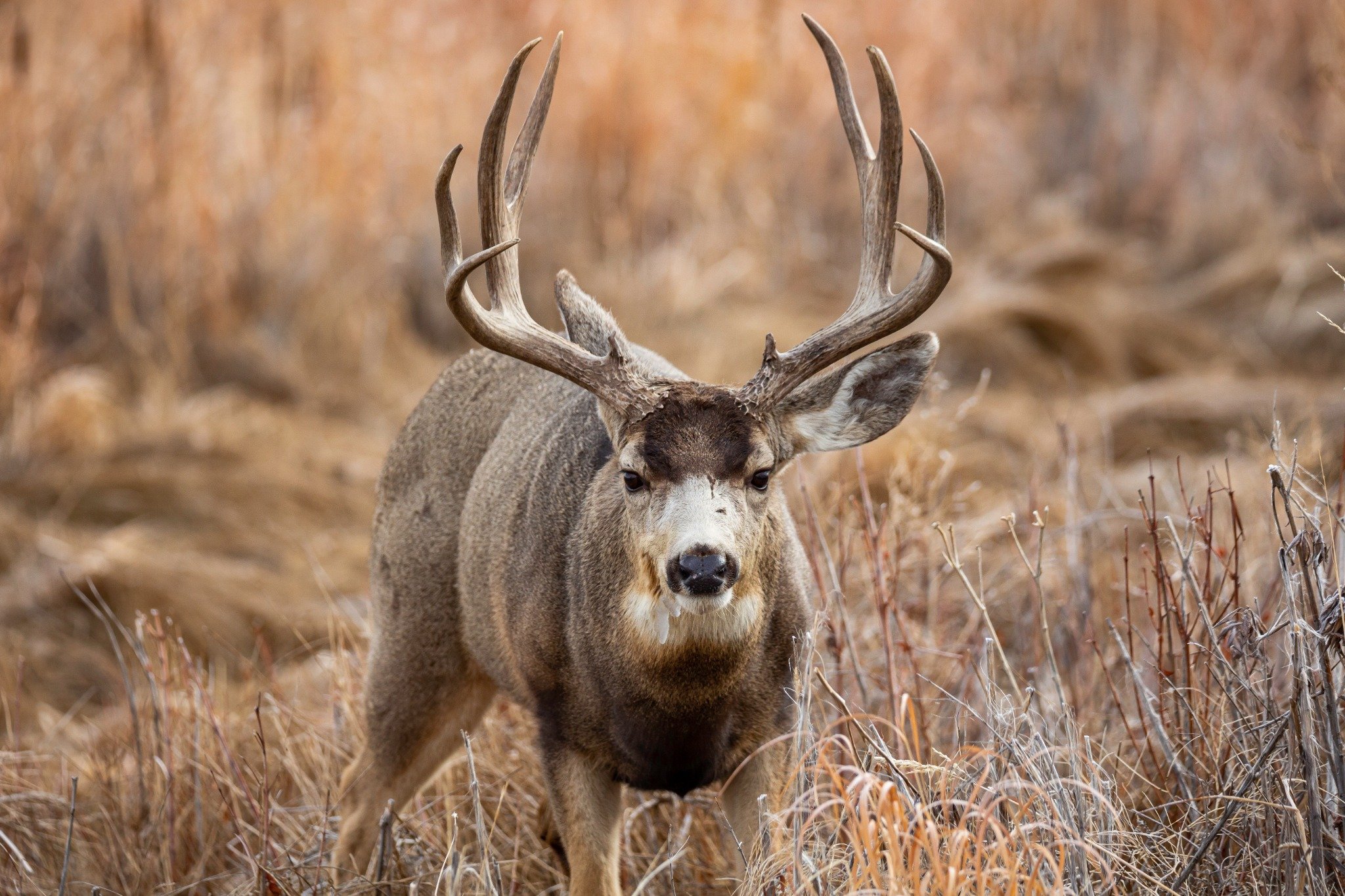
When most hunters think of Texas, they picture whitetails, hogs, or exotics. But seasoned big-game hunters know the truth: Texas mule deer are in a league of their own. Huge bodies, tall racks, high-country behavior, and rugged terrain make the mule deer—especially those found in the Texas Panhandle—one of the most highly prized species in the state.
If you’ve ever wondered why mule deer hunts are so coveted in Texas, or what makes the Panhandle mule deer season such a bucket-list experience, this breakdown covers everything you need to know.
Why Does The Allure of Mule Deer in Texas Matter?
Mule deer in Texas are prized for their wide multi-forked antlers, open-country challenge, and limited season length — mature West Texas bucks regularly score 150+ Boone and Crockett and are increasingly rare on pressured public land.
What Is 1. Bigger Bodies, Bigger Antlers?
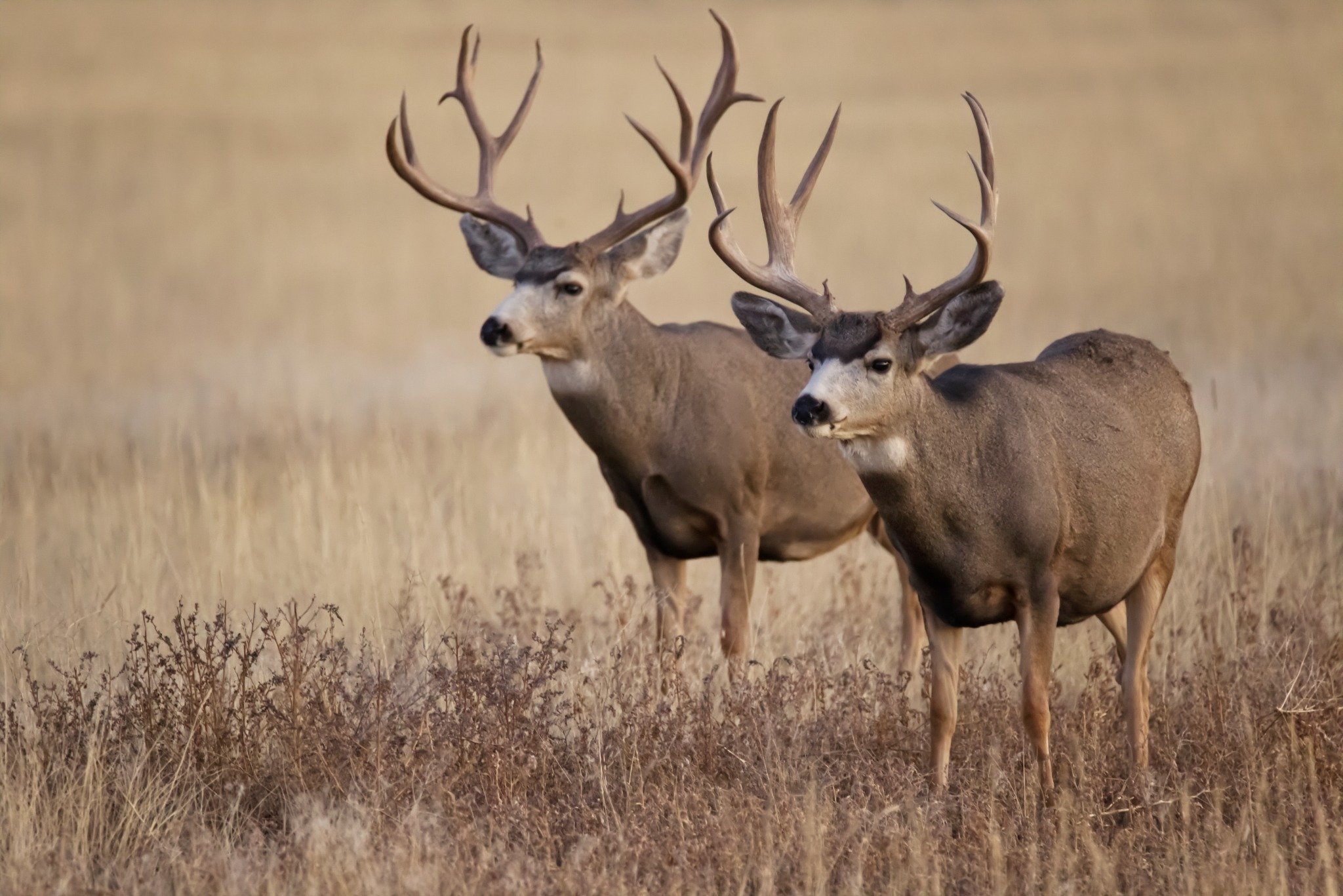
Mule deer bucks are significantly larger-bodied than whitetail and carry wider, more branching antler formations — making them a visually distinctive and highly sought trophy species.
Unlike whitetails, mule deer boast:
- Larger frames
- Taller, wider antlers
- Classic “forked” racks
- Impressive mass and character
A mature Texas mule deer buck can push 200+ pounds, with antlers that stand out even among Western states. This trophy potential alone makes them one of the most sought-after big-game animals in Texas.
Why Does 2. The Texas Panhandle: Prime Mule Deer Country Matter?
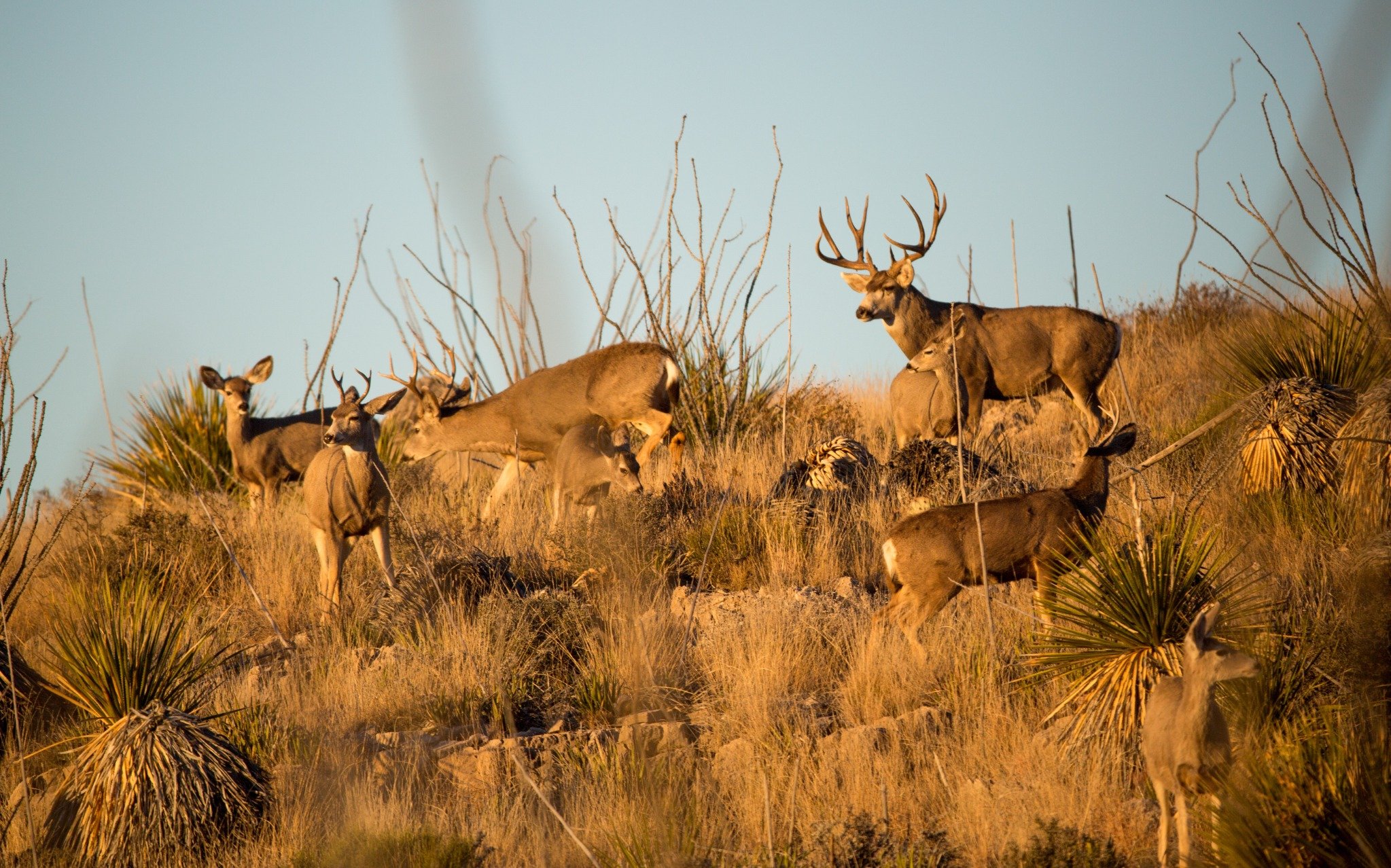
The Texas Panhandle and Trans-Pecos region — including the Davis Mountains, Glass Mountains, and Chihuahuan Desert — hold Texas's highest concentrations of mature mule deer bucks.
The Texas Panhandle offers some of the best mule deer habitat in the entire South, with:
- Open plains
- Agricultural pivots
- Canyons & breaks
- Low pressure compared to other states
Counties like Dallam, Hartley, Oldham, Castro, Briscoe, and Motley produce exceptional bucks year after year.
This region mirrors the classic mule deer terrain of New Mexico and Colorado—but with the added benefit of Texas private land access, where management programs keep deer populations healthy and mature.
Why Does 3. A Short but High-Value Mule Deer Season Matter?
Texas mule deer season is short — typically running November through January in West Texas — which concentrates demand and makes private land access with quality management essential for success.
One reason mule deer are so prized is the limited season.
Texas mule deer season typically takes place:
- Late November through early December
- During peak rut activity in the Panhandle
- With specific zones and stricter harvest regulations
This narrow window creates:
- Higher demand
- Fewer tags
- Premium guided and semi-guided opportunities
Hunters know they only get one shot—literally and figuratively.
Why Does 4. Mule Deer Behavior Makes the Hunt More Challenging Matter?
Mule deer rely heavily on open terrain and elevated vantage points to detect danger, requiring longer-range shooting skills and more deliberate stalking than whitetail hunting in heavy cover.
Mule deer are known for:
- Long-distance travel
- Relying on eyesight more than whitetails
- Staying in open country
- Unique “stotting” escape behavior
- Ranging widely across canyons, mesas, and prairie
Successful mule deer hunts often involve:
- Spot-and-stalk tactics
- Glassing from distance
- Reading terrain
- Patience and persistence
This style of hunting feels more “Western” than traditional Texas whitetail hunting, making it a fresh challenge for many hunters.
Why Does 5. Private Land Access Creates Better Deer Quality Matter?
Private ranch management — including supplemental feeding, age-class protection, and reduced hunting pressure — produces significantly larger and more mature mule deer bucks than what's typically available on public land.
On Texas private land—especially in the Panhandle—mule deer benefit from:
- Low hunting pressure
- Strong age structure
- Habitat management
- Strict landowner harvest guidelines
This results in:
- More mature bucks
- Higher antler quality
- Better overall hunter success
Platforms like BirdDog make it easier than ever to access top-tier private mule deer properties that were historically limited to ranch connections and long-time leaseholders.
What Is 6. High Demand, Limited Supply?
Mule deer tags in Texas are limited and hunting pressure in the Trans-Pecos is rising — private ranch access is increasingly the only reliable path to mature bucks in quality habitat.
Simply put:
Fewer mule deer + shorter seasons + trophy potential = massive demand.
Texas mule deer tags are not nearly as plentiful as whitetail opportunities, and guided Panhandle hunts fill up quickly. That scarcity is part of what makes a mature Texas mule deer buck so desirable—and such a badge of honor.
 Private land hunting access BirdDog">
Why Does Why Mule Deer in Texas Are Worth the Pursuit Matter?
Texas offers a unique blend of:
- Western big-game terrain
- Mature private-land management
- Trophy potential
- A short, exciting season
- Exceptional habitat in the Panhandle
- A true spot-and-stalk style hunt
Whether you’re chasing a wide, heavy Panhandle giant or simply craving a hunt that pushes your skills, Texas mule deer offer one of the most exciting and rewarding hunting challenges in the state.
Ready to Experience Texas Mule Deer Hunting?
BirdDog connects hunters to premium mule deer properties across the Texas Panhandle and West Texas—many of which have:
- Proven trophy history
- Limited pressure
- Experienced guides
- Fair-chase hunting in classic mule deer country
If you're ready to take on one of Texas’s most sought-after big-game species, BirdDog can put you exactly where the giants roam.
Read More...
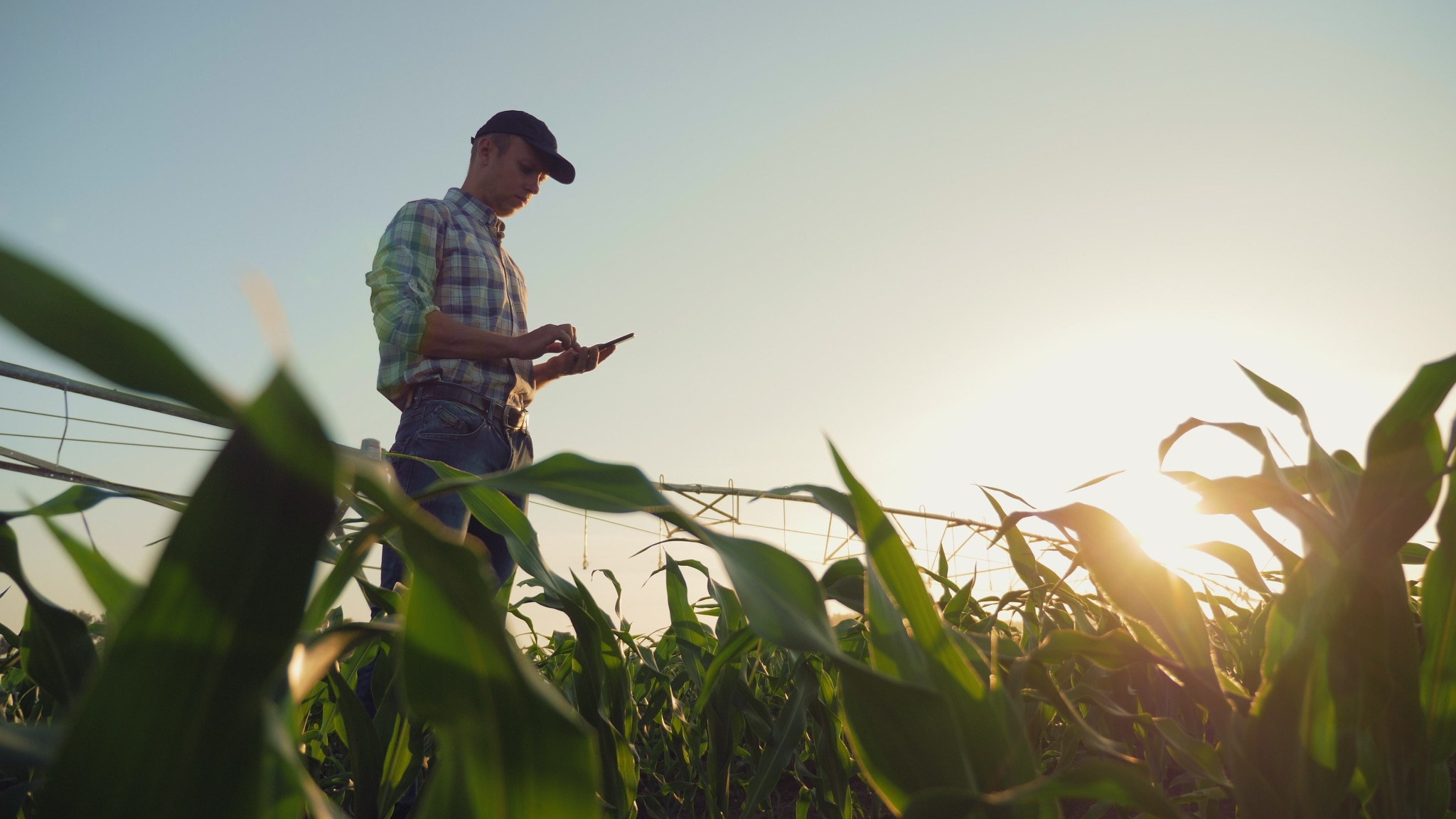
A practical guide to rural land loan types, what lenders evaluate, common mistakes landowners make, and how to approach financing a farm, ranch, or hunting property.
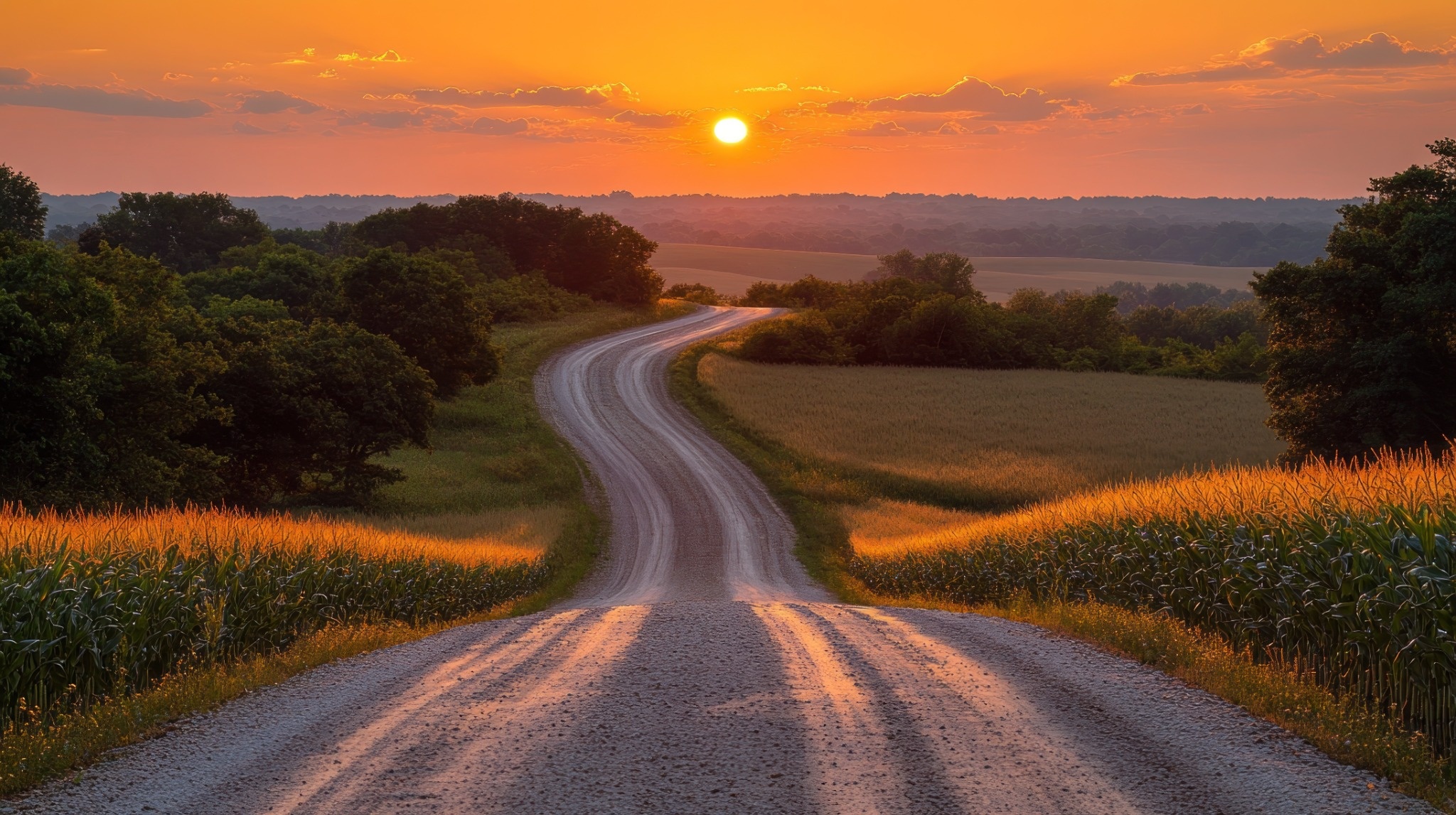
A look at how BirdDog helps landowners put their property to work through hunting and recreation, farm and grazing leases, Section 180 tax opportunities, financing, insurance, and land improvements.
A landowner's guide to identifying revenue potential in idle acreage and stacking multiple income streams — farming leases, hunting access, marketplace bookings, and Section 180 savings — through BirdDog.