
Why Winter Is the Best Time for Property Improvements
Why Winter Is the Best Time for Property Improvements
For many landowners, winter feels like the slow season. Hunting seasons wind down, fishing slows, and day-to-day ranch or property work often takes a back seat. But in reality, winter is one of the most productive and strategic times of the year to make improvements to your land—especially if you manage your property for hunting, fishing, or outdoor recreation.
From habitat improvements to access upgrades, winter creates ideal conditions for meaningful work that pays off all year long. Here’s why winter should be your go-to season for property improvements—and how BirdDog helps landowners make the most of it.
1. Reduced Vegetation Makes Improvements Faster and Easier
Winter vegetation die-off exposes:
- Game trails
- Bedding areas
- Drainage issues
- Problem brush
- Stand visibility lines
- Access points for equipment
With less foliage in the way, landowners can move equipment more easily, clear brush with less effort, and identify issues that would be hidden during spring or summer.
This is the best time to:
- Clear new roads or trails
- Open shooting lanes
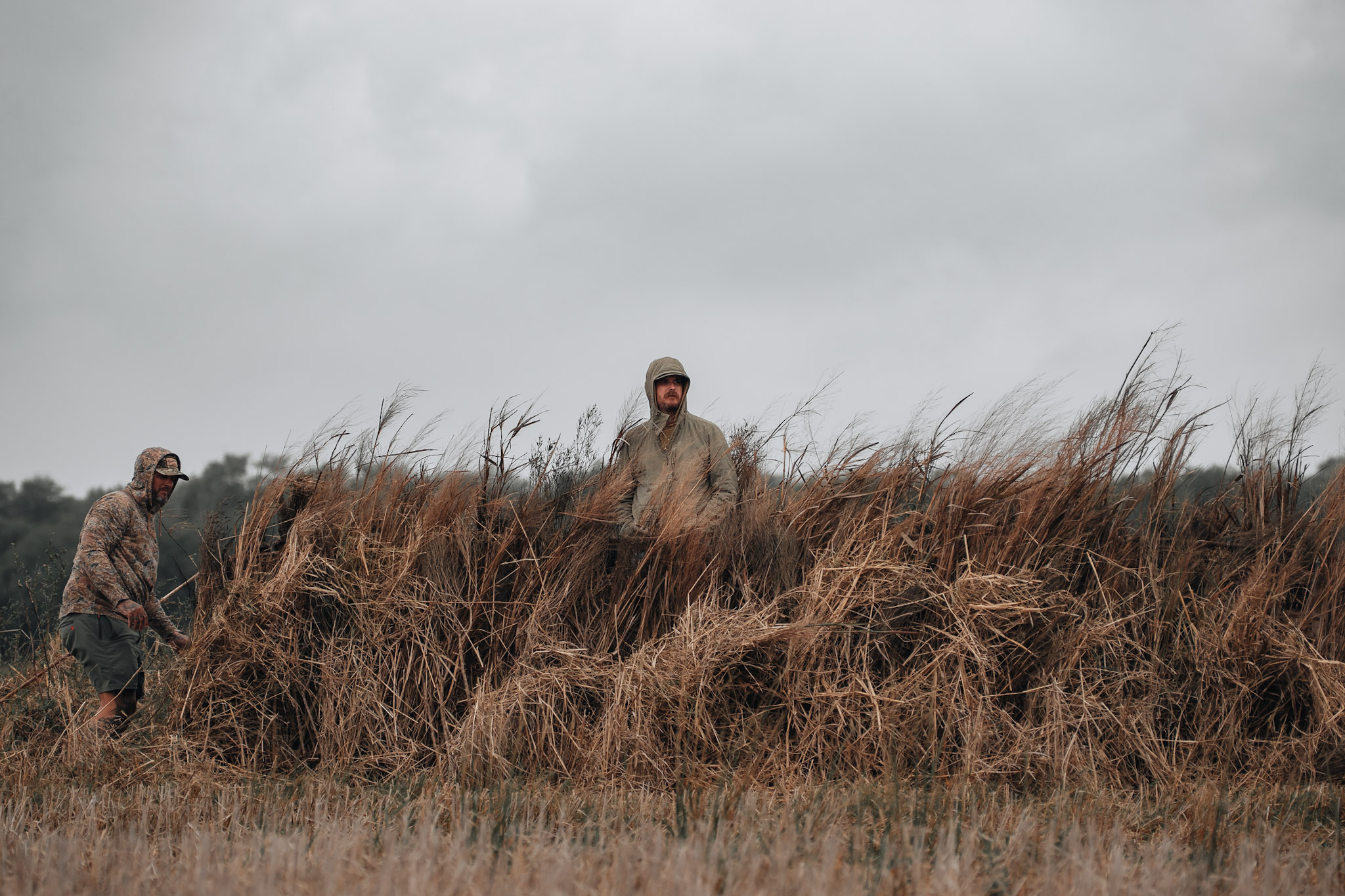
- Brush blinds
- Remove invasive species
- Improve access routes
Winter work lays the foundation for better hunting experiences the following season.
2. Wildlife Patterns Are Easier to Read in Winter
Animals move differently in cold weather. They concentrate around:
- Reliable water
- Bedding cover
- Food sources
- Thermal protection
Tracks, trails, droppings, and rub lines stand out more clearly in winter, helping landowners:
- Improve stand placement
- Identify funnel points
- Prepare food plots
- Reduce pressure by redesigning access routes
Understanding winter wildlife movement builds better strategy for hunting season.
3. Cooler Weather Makes Labor More Productive
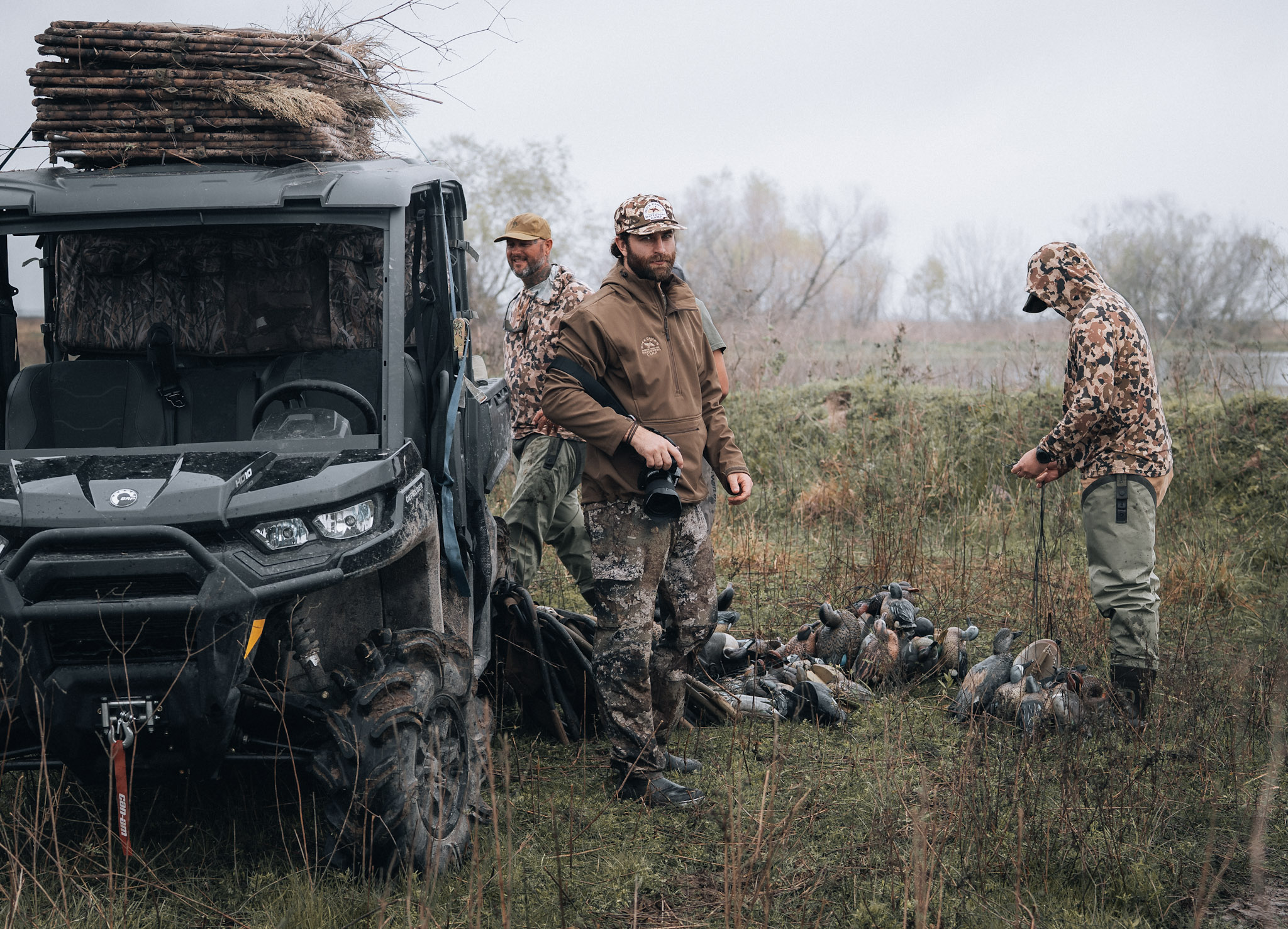
Heavy work—grading roads, hauling lumber, clearing brush, repairing fences—is much easier and safer in winter.
Benefits include:
- Less heat exhaustion
- Reduced insect pressure
- Firmer ground for equipment
- Easier fuel and feed transport
Winter is the ideal season for major projects like pond repairs, blind construction, and waterline improvements.
4. Perfect Timing for Habitat Improvements
Winter provides a natural reset for wildlife habitat. It’s a great season to:
- Prepare food plots for spring planting
- Conduct controlled burns (where legal)
- Thin timber for better sunlight penetration
- Remove deadfall
- Improve creek crossings
- Manage wetlands or drainage
These improvements create better habitat structure for deer, turkey, upland birds, and other wildlife throughout the year.
5. Winter Work Avoids Hunting Season Conflicts
Property improvements done in winter allow the land to recover long before next hunting season. This avoids:
- Disturbing wildlife during peak hunting periods
- Stressing deer in late summer heat
- Damaging habitat during wet spring months
Winter provides a quiet, pressure-free window for making changes without disrupting wildlife patterns or disturbing paying hunters.
6. Winter Upgrades Increase Property Value and Booking Demand
With more hunters and outdoor enthusiasts seeking quality private land, winter improvements can dramatically increase:
- Hunting lease value
- Guest experience quality
- Seasonal booking demand
- Long-term property appeal
Enhancements like new blinds, improved habitat, pond restoration, or upgraded access roads make a property more attractive on BirdDog’s platform—and more profitable.
7. How BirdDog Helps Landowners Maximize Winter Improvements
BirdDog’s Landowner Intelligence Platform gives landowners a place to:
- Update listings with newly added features
- Showcase improved habitat or infrastructure
- Upload images of trails, blinds, and food plots
- Attract hunters looking for well-managed properties
- Track and manage bookings more efficiently
Winter is the perfect time for landowners to improve their land and update their BirdDog profile so hunters see the upgrades before booking their next trip.
Final Thoughts
Winter may appear quiet, but for landowners, it’s one of the most strategic and productive times of the year. Reduced vegetation, clear wildlife patterns, better working conditions, and minimal disturbance make it the ideal season for property enhancements that increase value and improve hunting and fishing opportunities.
Whether you’re building blinds, shaping habitat, upgrading access, or preparing for next season’s bookings, the improvements you make now will pay off all year long—especially when promoted through BirdDog.

Read More...
A practical guide to rural land loan types, what lenders evaluate, common mistakes landowners make, and how to approach financing a farm, ranch, or hunting property.
A look at how BirdDog helps landowners put their property to work through hunting and recreation, farm and grazing leases, Section 180 tax opportunities, financing, insurance, and land improvements.
A landowner's guide to identifying revenue potential in idle acreage and stacking multiple income streams — farming leases, hunting access, marketplace bookings, and Section 180 savings — through BirdDog.