Structuring Hunting Lease Agreements for Long-Term Success

Key clauses, terms, and structures every Texas hunting lease needs
Why Most Lease Disputes Are Preventable

The majority of hunting lease disputes don't start with a disagreement on the property—they start with a poorly written agreement signed months earlier. Vague language about who can access which gates, how many hunters are allowed, and what happens if a fence gets cut creates friction that good intentions can't fix. The solution isn't trust. It's clarity.

A solid lease agreement isn't about assuming the worst from either side. It's about removing ambiguity so that when questions come up—and they always do—both parties have a document to refer to. That document protects the landowner's property, protects the hunter's investment, and keeps the relationship intact across multiple seasons.

The Core Elements Every Lease Needs

Start with the basics: property description, lease term, payment schedule, and the number of hunters authorized to access the property. These four elements form the backbone of any lease, and skipping or shortcutting any of them creates problems later.

Property description should reference legal land descriptions or attached maps, not just county road addresses. Lease term should include both start and end dates with language about renewal options—does the lessee get right of first refusal for next season, or does the property go back to open negotiation? Payment schedule should specify amount, due dates, and what happens if payment is late. And the authorized hunter count matters more than most people think—a lease signed by one person that turns into a camp for twelve is one of the most common sources of landowner frustration.

Beyond the core four, address these items explicitly: access routes and gate codes, firearm and equipment restrictions (if any), camping and structure rules, vehicle access, trash removal, and emergency contact information. Each of these has been the subject of a lease dispute somewhere. Address them up front.

Liability and Insurance

This is where most informal leases fall apart. Hunting involves real risk—trespassers, accidents, equipment damage, injuries. Without proper language in the lease, both sides are exposed.

Landowners should require hunters to carry a liability policy naming the landowner as an additional insured. This isn't excessive—it's standard practice for any commercial arrangement involving recreational activity on private land. Policies for individual hunters are available for a few hundred dollars per year and provide coverage in the seven-figure range.

The lease should also include an indemnification clause: the lessee agrees to hold the landowner harmless for accidents that occur during authorized hunting activities. In Texas, landowners who don't charge for recreational access have significant statutory protection under the Recreational Use Statute, but that protection can be complicated when money is exchanged. A clear indemnification clause and verified insurance close that gap.
Season-Specific Terms and Restrictions

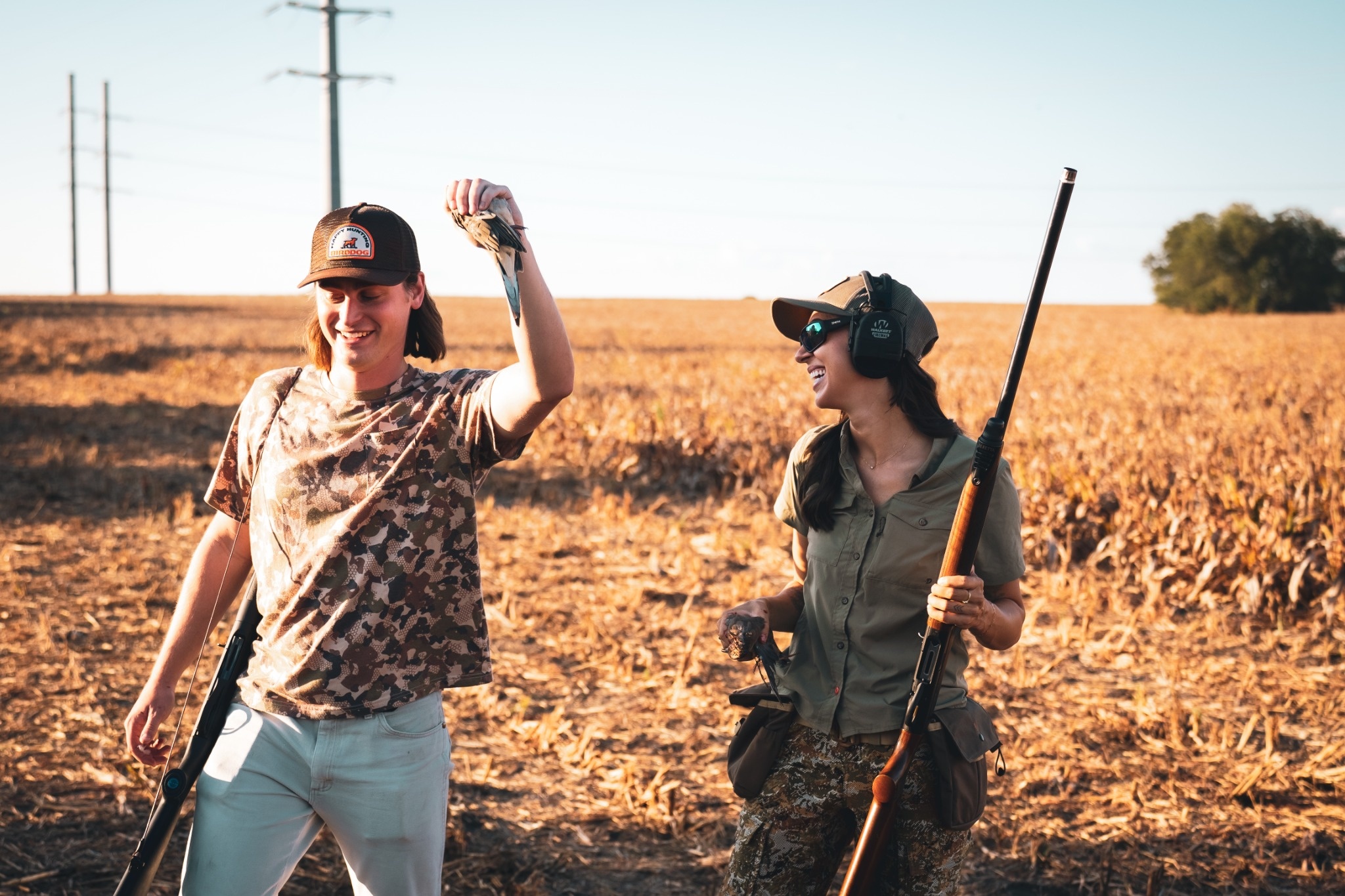
Generic leases don't account for the seasonal nature of hunting. A deer lease in South Texas looks different from a dove field lease in the Panhandle, and both look different from a year-round sportsman's lease. Structure yours around the actual seasons and species involved.

For deer leases, specify which species hunters may take, any antler restrictions (minimum point requirements or scoring criteria), doe harvest limits, and whether hog hunting is included. For dove leases, define the acreage and field locations, baiting restrictions, and whether multiple groups can hunt the same field on the same day. For year-round arrangements, address turkey season separately—it requires a different access pattern than deer or dove and can conflict with spring agricultural operations.

Game camera rules deserve their own paragraph. Define who can place cameras, where, and who owns the data. Cameras have become a source of significant tension in multi-party leases when hunters use them to monitor each other rather than wildlife.

Renewal, Termination, and Dispute Resolution

Most leases end without problems. But a good agreement anticipates the ones that don't. Include language that covers early termination by either party—under what conditions can the landowner terminate the lease mid-season, and what refund is owed? Under what conditions can a hunter exit the agreement early without forfeiting the full payment?

Right of first refusal for renewal is valuable to hunters who've invested in a property relationship, and it's not a burden to landowners who are happy with their current lessees. Include it with a defined window—30 or 60 days before the season—for the hunter to match any competing offer or renew at an agreed price.

Dispute resolution clauses don't have to mean litigation. A simple mediation-first clause—requiring both parties to attempt mediation before filing suit—saves time, money, and the relationship in most cases. Specify the county of jurisdiction for any legal proceedings, which for most Texas leases means the county where the property is located.

Getting the Agreement Right

Template leases from the internet are a starting point, not a finish line. Have any lease reviewed by an attorney familiar with Texas agricultural and recreational law before you sign it. The cost is minimal compared to the cost of a dispute over a multi-thousand-dollar lease arrangement.

For landowners ready to structure formal lease agreements across one or multiple properties, BirdDog's hunting lease platform provides standardized, legally reviewed agreement templates built for Texas properties—along with tools to manage payments, track hunter contacts, and list your land for qualified lessees. The paperwork is handled. The terms are yours to set.

A well-structured lease is the foundation of a good hunting relationship. Build it right the first time and most of the problems that end leases early won't find you.

Speak to a BirdDog representative today to structure your lease!

Read More...

Hunting & Adventure
The Future of Outdoor Access

Private land hunting access is evolving. See how BirdDog connects hunters and landowners to unlock more acres and better outdoor experiences across Texas.

Read More
Landowner Resources
BirdDog's Guide to IRS Section 180: Excess Residual Fertility

For generations, farmers and ranchers have understood that soil is one of their most valuable assets. Its fertility drives productivity, profitability, and long-term sustainability. Yet in the world of tax planning, soil fertility has long been overlooked as an asset with quantifiable value.

Read More
Landowner Resources
What Is Section 180

If you’re a landowner managing agricultural property, pastureland, or even hunting land, IRS Section 180 can be a powerful tool in your tax strategy. This provision allows landowners engaged in the business of farming to deduct expenses for soil and land conditioning—including fertilizer, lime, marl, or other soil amendments—as immediate expenses in the year they’re incurred.

Read More

Structuring Hunting Lease Agreements for Long-Term Success

Key clauses, terms, and structures every Texas hunting lease needs

Why Most Lease Disputes Are Preventable

The majority of hunting lease disputes don't start with a disagreement on the property—they start with a poorly written agreement signed months earlier. Vague language about who can access which gates, how many hunters are allowed, and what happens if a fence gets cut creates friction that good intentions can't fix. The solution isn't trust. It's clarity.

A solid lease agreement isn't about assuming the worst from either side. It's about removing ambiguity so that when questions come up—and they always do—both parties have a document to refer to. That document protects the landowner's property, protects the hunter's investment, and keeps the relationship intact across multiple seasons.

The Core Elements Every Lease Needs

Start with the basics: property description, lease term, payment schedule, and the number of hunters authorized to access the property. These four elements form the backbone of any lease, and skipping or shortcutting any of them creates problems later.

Property description should reference legal land descriptions or attached maps, not just county road addresses. Lease term should include both start and end dates with language about renewal options—does the lessee get right of first refusal for next season, or does the property go back to open negotiation? Payment schedule should specify amount, due dates, and what happens if payment is late. And the authorized hunter count matters more than most people think—a lease signed by one person that turns into a camp for twelve is one of the most common sources of landowner frustration.

Beyond the core four, address these items explicitly: access routes and gate codes, firearm and equipment restrictions (if any), camping and structure rules, vehicle access, trash removal, and emergency contact information. Each of these has been the subject of a lease dispute somewhere. Address them up front.

Liability and Insurance

This is where most informal leases fall apart. Hunting involves real risk—trespassers, accidents, equipment damage, injuries. Without proper language in the lease, both sides are exposed.

Landowners should require hunters to carry a liability policy naming the landowner as an additional insured. This isn't excessive—it's standard practice for any commercial arrangement involving recreational activity on private land. Policies for individual hunters are available for a few hundred dollars per year and provide coverage in the seven-figure range.

The lease should also include an indemnification clause: the lessee agrees to hold the landowner harmless for accidents that occur during authorized hunting activities. In Texas, landowners who don't charge for recreational access have significant statutory protection under the Recreational Use Statute, but that protection can be complicated when money is exchanged. A clear indemnification clause and verified insurance close that gap.

Season-Specific Terms and Restrictions

Generic leases don't account for the seasonal nature of hunting. A deer lease in South Texas looks different from a dove field lease in the Panhandle, and both look different from a year-round sportsman's lease. Structure yours around the actual seasons and species involved.

For deer leases, specify which species hunters may take, any antler restrictions (minimum point requirements or scoring criteria), doe harvest limits, and whether hog hunting is included. For dove leases, define the acreage and field locations, baiting restrictions, and whether multiple groups can hunt the same field on the same day. For year-round arrangements, address turkey season separately—it requires a different access pattern than deer or dove and can conflict with spring agricultural operations.

Game camera rules deserve their own paragraph. Define who can place cameras, where, and who owns the data. Cameras have become a source of significant tension in multi-party leases when hunters use them to monitor each other rather than wildlife.

Renewal, Termination, and Dispute Resolution

Most leases end without problems. But a good agreement anticipates the ones that don't. Include language that covers early termination by either party—under what conditions can the landowner terminate the lease mid-season, and what refund is owed? Under what conditions can a hunter exit the agreement early without forfeiting the full payment?

Right of first refusal for renewal is valuable to hunters who've invested in a property relationship, and it's not a burden to landowners who are happy with their current lessees. Include it with a defined window—30 or 60 days before the season—for the hunter to match any competing offer or renew at an agreed price.

Dispute resolution clauses don't have to mean litigation. A simple mediation-first clause—requiring both parties to attempt mediation before filing suit—saves time, money, and the relationship in most cases. Specify the county of jurisdiction for any legal proceedings, which for most Texas leases means the county where the property is located.

Getting the Agreement Right

Template leases from the internet are a starting point, not a finish line. Have any lease reviewed by an attorney familiar with Texas agricultural and recreational law before you sign it. The cost is minimal compared to the cost of a dispute over a multi-thousand-dollar lease arrangement.

For landowners ready to structure formal lease agreements across one or multiple properties, BirdDog's hunting lease platform provides standardized, legally reviewed agreement templates built for Texas properties—along with tools to manage payments, track hunter contacts, and list your land for qualified lessees. The paperwork is handled. The terms are yours to set.

A well-structured lease is the foundation of a good hunting relationship. Build it right the first time and most of the problems that end leases early won't find you.

Speak to a BirdDog representative today to structure your lease!

Read More...

Hunting & Adventure
The Future of Outdoor Access

Private land hunting access is evolving. See how BirdDog connects hunters and landowners to unlock more acres and better outdoor experiences across Texas.

Read More
Landowner Resources
BirdDog's Guide to IRS Section 180: Excess Residual Fertility

For generations, farmers and ranchers have understood that soil is one of their most valuable assets. Its fertility drives productivity, profitability, and long-term sustainability. Yet in the world of tax planning, soil fertility has long been overlooked as an asset with quantifiable value.

Read More
Landowner Resources
What Is Section 180

If you’re a landowner managing agricultural property, pastureland, or even hunting land, IRS Section 180 can be a powerful tool in your tax strategy. This provision allows landowners engaged in the business of farming to deduct expenses for soil and land conditioning—including fertilizer, lime, marl, or other soil amendments—as immediate expenses in the year they’re incurred.

Read More