
The Future of Outdoor Access
How technology is opening more private land to hunters and landowners
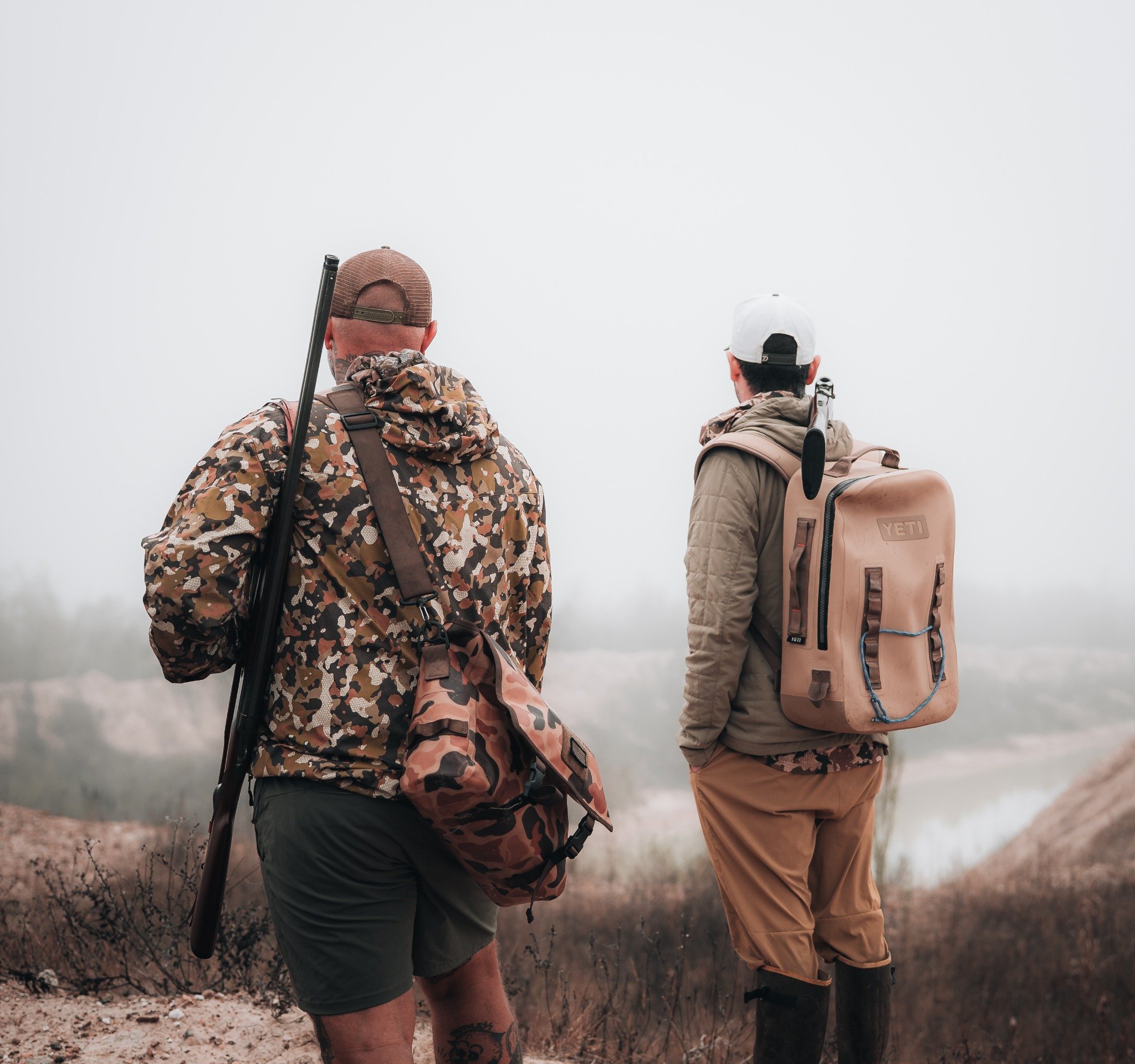
The Access Problem Nobody Talks About
Most hunters will tell you the hardest part of hunting isn't the shot—it's finding somewhere to go. Public land pressure has climbed steadily for a decade. In Texas alone, over 95% of all land is privately owned, and most of it has never been available to outside hunters at any price. That means millions of acres sit largely unhunted, while hunters stack up on WMAs and public tracts that can't absorb the pressure.
That gap—between hunters who want access and landowners who have land—is the problem. It's been ignored for a long time because it didn't have an obvious solution. You either knew somebody, or you didn't. You either had a lease, or you scrambled for public ground.
That model is breaking down. And what's replacing it is better for everyone involved.
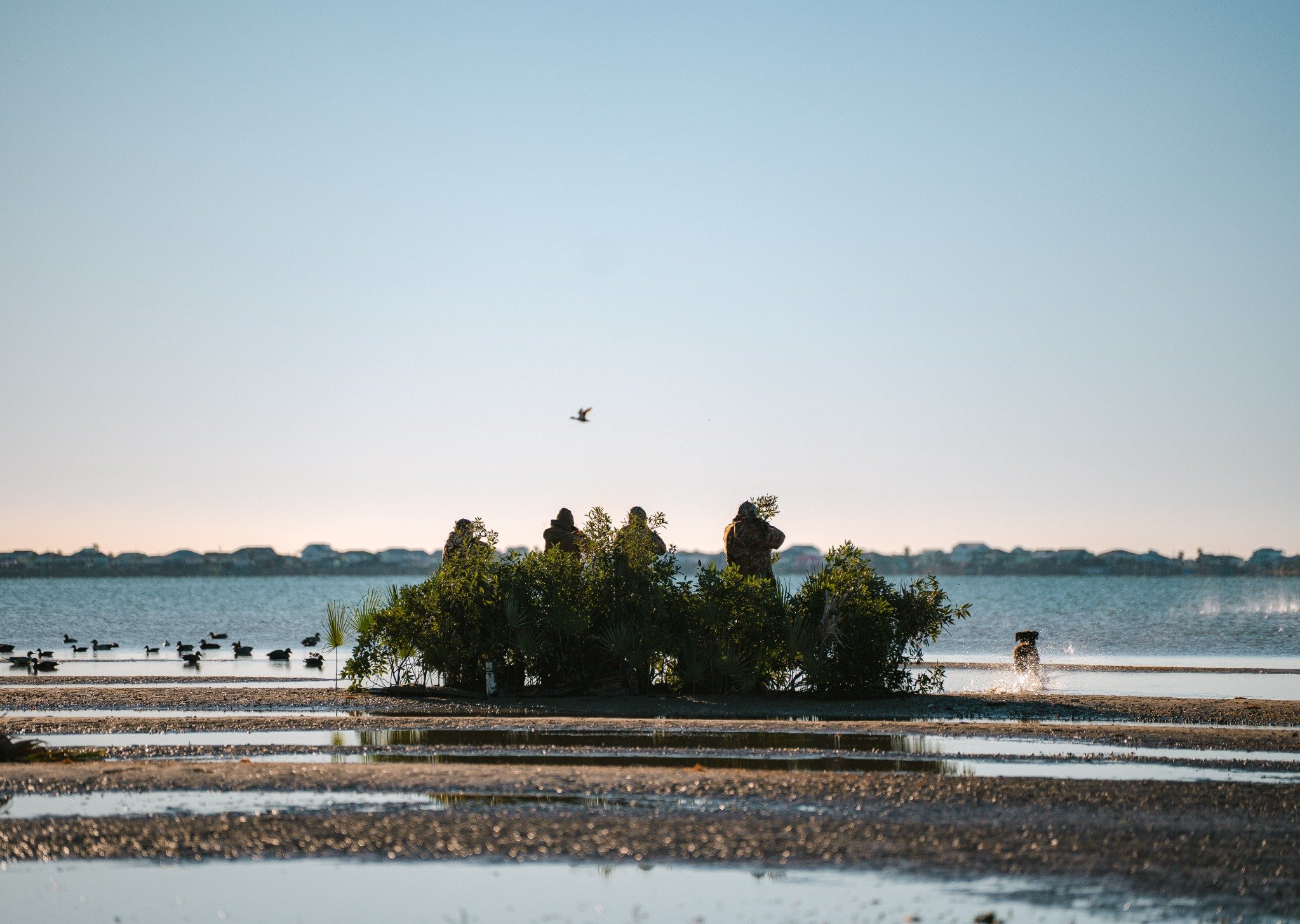
How Private Land Access Used to Work
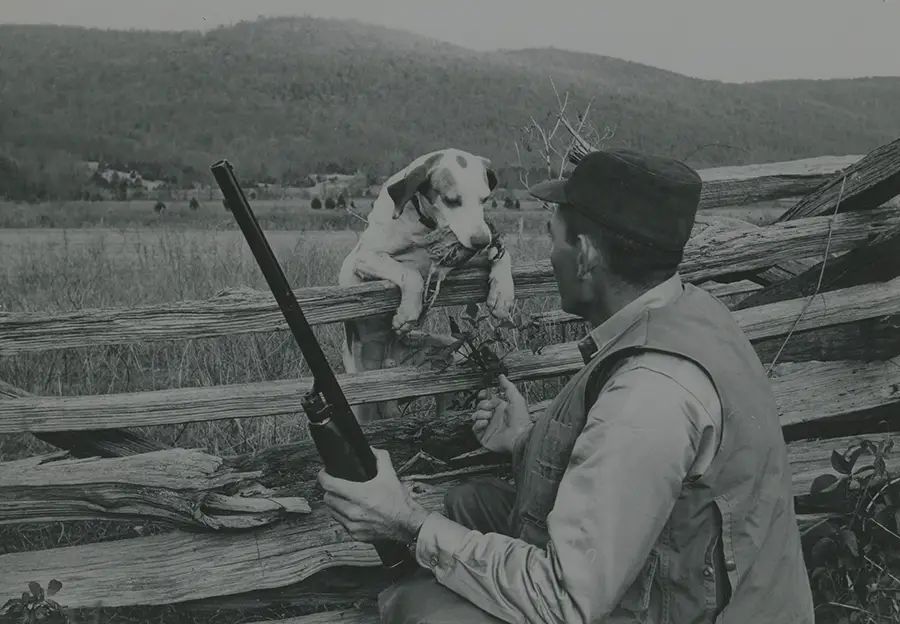
For most of the 20th century, private land hunting operated on personal relationships. Your dad knew a rancher. Your uncle had a handshake deal on 500 acres in South Texas. Maybe you paid a small trespass fee to hunt whitetails on a neighbor's property.
These arrangements worked fine when rural communities were tighter and the demand for hunting access was lower. But as urban populations grew and more people picked up hunting, the relationship-based model couldn't scale. Landowners didn't have an easy way to vet hunters, set terms, collect payment, or manage liability. Hunters didn't have a way to find land outside their personal network.
The result: a massive market that operated entirely on word of mouth, with no price discovery, no standardized agreements, and no accountability for either side.
What's Changing Now
Technology has already transformed how we find hotels, rent cars, and book vacation homes. The same forces are arriving in outdoor recreation—just later and more slowly, because land is more complicated than a hotel room.
The shift matters for several reasons. First, there's real price discovery happening. Landowners can now see what comparable properties lease for. Hunters can compare options before committing. That transparency benefits both sides. Second, the liability and paperwork problems are getting solved. Digital lease agreements, insurance requirements, and clear access terms mean landowners are protected and hunters know exactly what they're paying for. Third, the pool of available land is expanding. When a platform lowers the friction of listing land, more landowners participate. Parcels that never hit the market under the old model are suddenly accessible.
None of this is hypothetical. Hunting lease platforms have processed millions of dollars in transactions over the past several years. The market is real, it's growing, and it's changing who gets to hunt where.
The Landowner Side of the Equation
Landowners have the most to gain from this shift—and historically, they've been the most underserved by it. Managing hunting access has always been a hassle: fielding calls from strangers, drafting agreements from scratch, chasing down payments, and worrying about what happens if someone gets hurt.
Smart landowners are realizing that their land is an income-producing asset, not just a place to graze cattle or grow timber. A well-managed hunting lease can generate $5–$15 per acre annually in Texas Hill Country, more in premium South Texas brush country. For a 1,000-acre operation, that's a meaningful revenue stream that requires relatively little labor once the systems are in place.
Beyond lease income, there are tax advantages. Texas' wildlife exemption (also known as the wildlife management valuation) allows qualifying landowners to reduce their property tax burden by demonstrating active wildlife management. That can mean formal game management plans, supplemental feeding programs, predator control, or other documented practices. The savings, in some cases, rival the lease income itself.
Why This Matters for Hunters
Access to quality private land changes the nature of hunting. You're not managing pressure from fifty other hunters. You're not walking past boot tracks from the morning crew. You have space, you have time, and you can actually implement a strategy—whether that's passing young bucks, managing does, or setting up for a specific animal you've been watching on camera.
For hunters who've only ever hunted public land, that difference is hard to overstate. Private land hunting isn't just more comfortable. It's more effective, and it allows for a longer-term relationship with the property and the wildlife on it.
BirdDog's land access marketplace connects hunters directly to vetted private land listings across Texas, with full lease terms, pricing, and property details available before you ever make a call. Instead of relying on a personal network that may or may not have what you're looking for, you can search by species, region, acreage, and season—and book the land that fits your hunt.
The Road Ahead
The outdoor access problem isn't fully solved. There are still rural communities where the handshake deal is king, still landowners who don't want any outside hunters regardless of the terms, and still hunters who can't afford private land at current market rates. None of that disappears overnight.
But the trajectory is clear. More land is coming to market. Better tools are making it easier to manage. And hunters who once thought private access was out of reach are finding that the math works—especially when you factor in the quality of the experience you're paying for.
The question isn't whether outdoor access is changing. It's whether you're positioned to take advantage of it.

Read More...
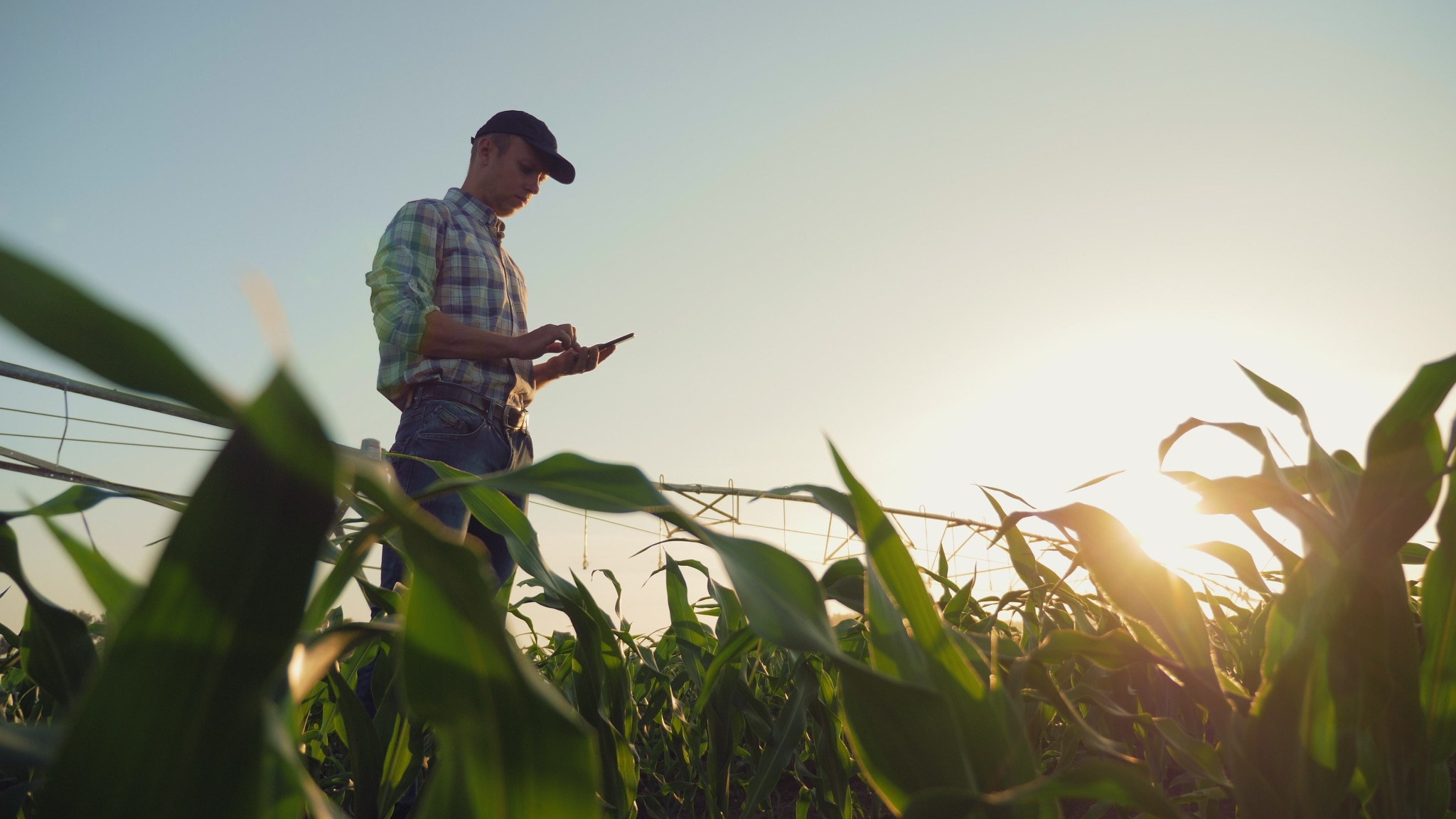
A practical guide to rural land loan types, what lenders evaluate, common mistakes landowners make, and how to approach financing a farm, ranch, or hunting property.
A look at how BirdDog helps landowners put their property to work through hunting and recreation, farm and grazing leases, Section 180 tax opportunities, financing, insurance, and land improvements.
A landowner's guide to identifying revenue potential in idle acreage and stacking multiple income streams — farming leases, hunting access, marketplace bookings, and Section 180 savings — through BirdDog.