South Texas Oyster Reef Restoration: Why It Matters for Anglers

How reef restoration benefits Texas bay fishing and coastal ecosystems
The Reef Beneath the Surface

Most anglers who wade the Texas coast for redfish and speckled trout don't think much about what's beneath their feet. But the shallow bays of the Texas Gulf Coast—from Matagorda down through Laguna Madre—are shaped by what's on the bottom. And for centuries, what shaped them most was oysters.

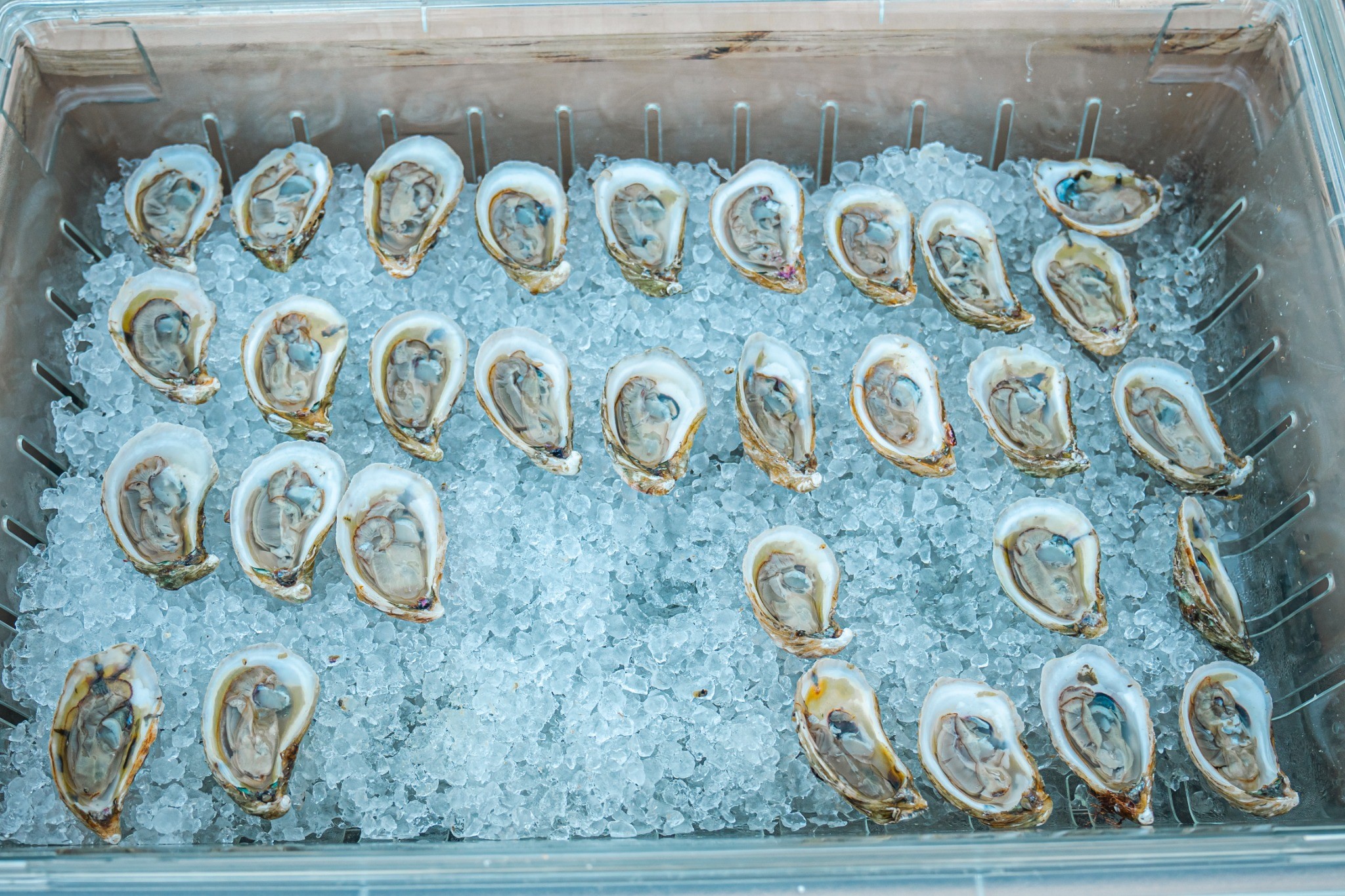
A healthy oyster reef does something remarkable: it filters up to 50 gallons of water per oyster per day, removing algae, sediment, and excess nutrients that would otherwise cloud the water and kill the seagrass. Seagrass shelters juvenile redfish and trout. Oyster reefs themselves create habitat complexity that attracts baitfish, crab, and ultimately the gamefish that Texas anglers pursue. The whole system connects, and oysters sit at the foundation of it.

The problem is that Texas has lost more than 90% of its historic oyster reef acreage over the past century. What remains is fragmented, degraded, and under ongoing pressure from harvest, disease, freshwater inflows, and coastal development. When the reefs go, the rest of the system follows.

Why Texas Reefs Have Declined

Commercial harvest is the most visible driver, but it's not the only one. Oyster harvesting methods—historically including dredging—physically destroy reef structure. Unlike a fish population that can recover through reproduction in a single good season, a reef takes decades to rebuild. Remove the structure and you don't just remove the oysters; you remove the substrate that future generations need to settle on.

Freshwater inflows compound the problem. The Guadalupe, San Antonio, and Lavaca rivers historically fed Trinity, San Antonio, and Matagorda bays with the brackish conditions oysters need. As upstream water use and diversions have reduced those flows, salinity in key bays has increased—pushing oysters out of their optimal range and making surviving reefs more vulnerable to disease and the parasites that thrive in high-salinity water.

Hurricane Harvey in 2017 delivered a fresh-water catastrophe in reverse—flooding the bays with massive freshwater releases that killed enormous portions of the remaining Matagorda and Galveston Bay reef systems in a matter of weeks. Recovery has been slow and uneven. Some areas have shown resilience. Others haven't come back at all.
What Restoration Actually Looks Like

The Texas Parks and Wildlife Department, the Coastal Conservation Association of Texas, and a growing network of nonprofit and university partners have been building artificial reef structures in key bays for more than a decade. The methods have evolved from simple shell bags to engineered limestone structures, concrete reef balls, and fossilized oyster shell recycled from restaurants and seafood processors.

The CCA's Shell Recycling Alliance has collected millions of pounds of oyster shell from Texas restaurants and redistributed it to restoration sites across the coast. Oyster larvae—called spat—need hard substrate to attach to, and recycled shell provides exactly that. It's one of the more elegant environmental programs in coastal conservation: restaurant waste becomes reef habitat.

Results from these projects have been measurable. In areas where restoration has been sustained for five or more years, researchers have documented increased reef complexity, higher water clarity, and expanded seagrass coverage in adjacent shallows. Redfish and speckled trout use restored reefs as feeding structure—anglers fishing near active restoration sites regularly report improved catches in the years following construction.

The Connection to Coastal Fishing

You don't have to be a conservationist to have a stake in oyster reef health. If you fish the Texas coast, you're fishing a system that depends on oysters to function. Water clarity determines seagrass density. Seagrass density determines where bait congregates. Where bait congregates is where you'll find redfish on the flats in April and May, trout stacked on structure in October, and flounder pushing out on tides through November.

The correlation isn't abstract—it's measurable. Studies in Aransas and Copano bays have shown significant reductions in seagrass coverage in areas adjacent to reef loss. Sportfishing guides who work those same areas report declining catch rates in zones that were once reliable producers. The decline takes years to show up, which makes it easy to ignore until the damage is done.

Getting involved in reef restoration doesn't require a biology degree. The CCA Texas shell recycling program accepts donations at participating restaurants. TPWD oyster restoration volunteer events occur regularly along the coast. And supporting local conservation through coastal landowner stewardship programs contributes to the habitat integrity that keeps coastal fishing viable.

Land, Water, and the Long Game

Coastal landowners in South Texas occupy a unique position in this story. Riparian and coastal properties directly influence the water quality, salinity balance, and habitat connectivity that oyster reefs depend on. Responsible water management, bank stabilization, and native vegetation maintenance on coastal properties reduce sedimentation that smothers reef structure and blocks the light seagrass needs to grow.

For landowners holding coastal or near-coastal property in South Texas, BirdDog's land management tools can support wildlife and habitat documentation that qualifies properties for conservation-based programs—including the wildlife exemption that rewards active environmental stewardship with reduced property tax assessments. Taking care of the land and water isn't just the right thing to do. It's increasingly a financial advantage.

The reefs that once defined the Texas coast didn't disappear all at once. They declined slowly, one season at a time, while other things seemed fine. Rebuilding them will happen the same way—one project, one restored reef, one generation of anglers who decided the long game was worth playing.

Read More...

Landowner Resources
Private Land Predator Control: Protecting Fawns and Nesting Birds

Effective predator control on Texas private land protects fawn recruitment and nesting bird populations. Learn which methods work and when to deploy them.

Read More
Landowner Resources
Structuring Hunting Lease Agreements for Long-Term Success

A strong hunting lease agreement protects landowners and hunters alike. Learn the key clauses, terms, and structures that create long-term lease success in Texas.

Read More
Hunting & Adventure
The Future of Outdoor Access

Private land hunting access is evolving. See how BirdDog connects hunters and landowners to unlock more acres and better outdoor experiences across Texas.

Read More

South Texas Oyster Reef Restoration: Why It Matters for Anglers

How reef restoration benefits Texas bay fishing and coastal ecosystems

The Reef Beneath the Surface

Most anglers who wade the Texas coast for redfish and speckled trout don't think much about what's beneath their feet. But the shallow bays of the Texas Gulf Coast—from Matagorda down through Laguna Madre—are shaped by what's on the bottom. And for centuries, what shaped them most was oysters.

A healthy oyster reef does something remarkable: it filters up to 50 gallons of water per oyster per day, removing algae, sediment, and excess nutrients that would otherwise cloud the water and kill the seagrass. Seagrass shelters juvenile redfish and trout. Oyster reefs themselves create habitat complexity that attracts baitfish, crab, and ultimately the gamefish that Texas anglers pursue. The whole system connects, and oysters sit at the foundation of it.

The problem is that Texas has lost more than 90% of its historic oyster reef acreage over the past century. What remains is fragmented, degraded, and under ongoing pressure from harvest, disease, freshwater inflows, and coastal development. When the reefs go, the rest of the system follows.

Why Texas Reefs Have Declined

Commercial harvest is the most visible driver, but it's not the only one. Oyster harvesting methods—historically including dredging—physically destroy reef structure. Unlike a fish population that can recover through reproduction in a single good season, a reef takes decades to rebuild. Remove the structure and you don't just remove the oysters; you remove the substrate that future generations need to settle on.

Freshwater inflows compound the problem. The Guadalupe, San Antonio, and Lavaca rivers historically fed Trinity, San Antonio, and Matagorda bays with the brackish conditions oysters need. As upstream water use and diversions have reduced those flows, salinity in key bays has increased—pushing oysters out of their optimal range and making surviving reefs more vulnerable to disease and the parasites that thrive in high-salinity water.

Hurricane Harvey in 2017 delivered a fresh-water catastrophe in reverse—flooding the bays with massive freshwater releases that killed enormous portions of the remaining Matagorda and Galveston Bay reef systems in a matter of weeks. Recovery has been slow and uneven. Some areas have shown resilience. Others haven't come back at all.

What Restoration Actually Looks Like

The Texas Parks and Wildlife Department, the Coastal Conservation Association of Texas, and a growing network of nonprofit and university partners have been building artificial reef structures in key bays for more than a decade. The methods have evolved from simple shell bags to engineered limestone structures, concrete reef balls, and fossilized oyster shell recycled from restaurants and seafood processors.

The CCA's Shell Recycling Alliance has collected millions of pounds of oyster shell from Texas restaurants and redistributed it to restoration sites across the coast. Oyster larvae—called spat—need hard substrate to attach to, and recycled shell provides exactly that. It's one of the more elegant environmental programs in coastal conservation: restaurant waste becomes reef habitat.

Results from these projects have been measurable. In areas where restoration has been sustained for five or more years, researchers have documented increased reef complexity, higher water clarity, and expanded seagrass coverage in adjacent shallows. Redfish and speckled trout use restored reefs as feeding structure—anglers fishing near active restoration sites regularly report improved catches in the years following construction.

The Connection to Coastal Fishing

You don't have to be a conservationist to have a stake in oyster reef health. If you fish the Texas coast, you're fishing a system that depends on oysters to function. Water clarity determines seagrass density. Seagrass density determines where bait congregates. Where bait congregates is where you'll find redfish on the flats in April and May, trout stacked on structure in October, and flounder pushing out on tides through November.

The correlation isn't abstract—it's measurable. Studies in Aransas and Copano bays have shown significant reductions in seagrass coverage in areas adjacent to reef loss. Sportfishing guides who work those same areas report declining catch rates in zones that were once reliable producers. The decline takes years to show up, which makes it easy to ignore until the damage is done.

Getting involved in reef restoration doesn't require a biology degree. The CCA Texas shell recycling program accepts donations at participating restaurants. TPWD oyster restoration volunteer events occur regularly along the coast. And supporting local conservation through coastal landowner stewardship programs contributes to the habitat integrity that keeps coastal fishing viable.

Land, Water, and the Long Game

Coastal landowners in South Texas occupy a unique position in this story. Riparian and coastal properties directly influence the water quality, salinity balance, and habitat connectivity that oyster reefs depend on. Responsible water management, bank stabilization, and native vegetation maintenance on coastal properties reduce sedimentation that smothers reef structure and blocks the light seagrass needs to grow.

For landowners holding coastal or near-coastal property in South Texas, BirdDog's land management tools can support wildlife and habitat documentation that qualifies properties for conservation-based programs—including the wildlife exemption that rewards active environmental stewardship with reduced property tax assessments. Taking care of the land and water isn't just the right thing to do. It's increasingly a financial advantage.

The reefs that once defined the Texas coast didn't disappear all at once. They declined slowly, one season at a time, while other things seemed fine. Rebuilding them will happen the same way—one project, one restored reef, one generation of anglers who decided the long game was worth playing.

Read More...

Landowner Resources
Private Land Predator Control: Protecting Fawns and Nesting Birds

Effective predator control on Texas private land protects fawn recruitment and nesting bird populations. Learn which methods work and when to deploy them.

Read More
Landowner Resources
Structuring Hunting Lease Agreements for Long-Term Success

A strong hunting lease agreement protects landowners and hunters alike. Learn the key clauses, terms, and structures that create long-term lease success in Texas.

Read More
Hunting & Adventure
The Future of Outdoor Access

Private land hunting access is evolving. See how BirdDog connects hunters and landowners to unlock more acres and better outdoor experiences across Texas.

Read More