
Field Notes
Stories, insights, and expertise from the water, fields, forests, and beyond—where passion for the outdoors meets the business of the land.

_4096KB.jpg)
How to Turn Idle Acreage Into a Revenue-Generating Asset
A landowner's guide to identifying revenue potential in idle acreage and stacking multiple income streams — farming leases, hunting access, marketplace bookings, and Section 180 savings — through BirdDog.
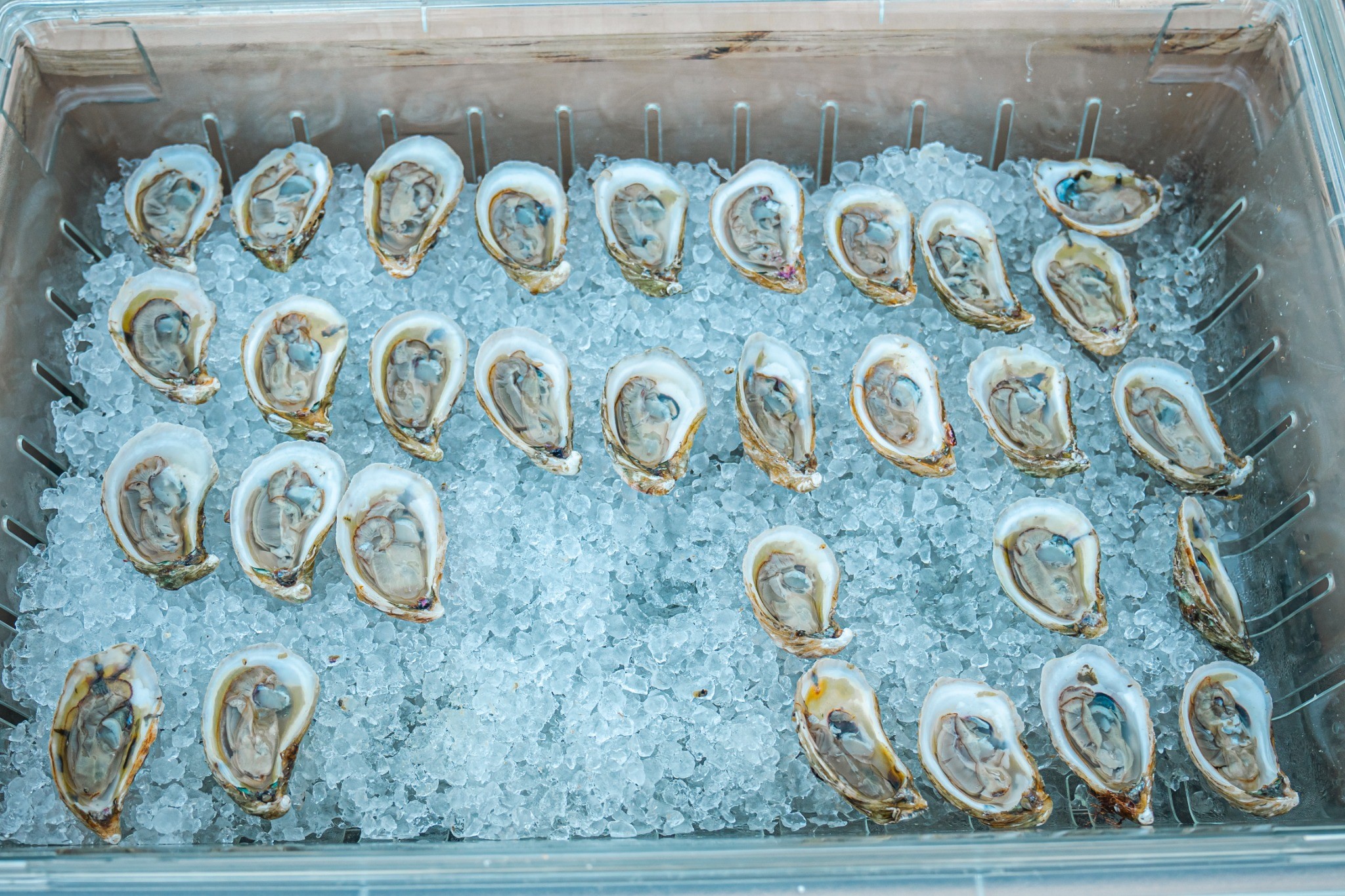
Texas oyster reef restoration is rebuilding coastal ecosystems and improving fishing. Learn why reef health matters for redfish, trout, and the future of South Texas bays.

Effective predator control on Texas private land protects fawn recruitment and nesting bird populations. Learn which methods work and when to deploy them.
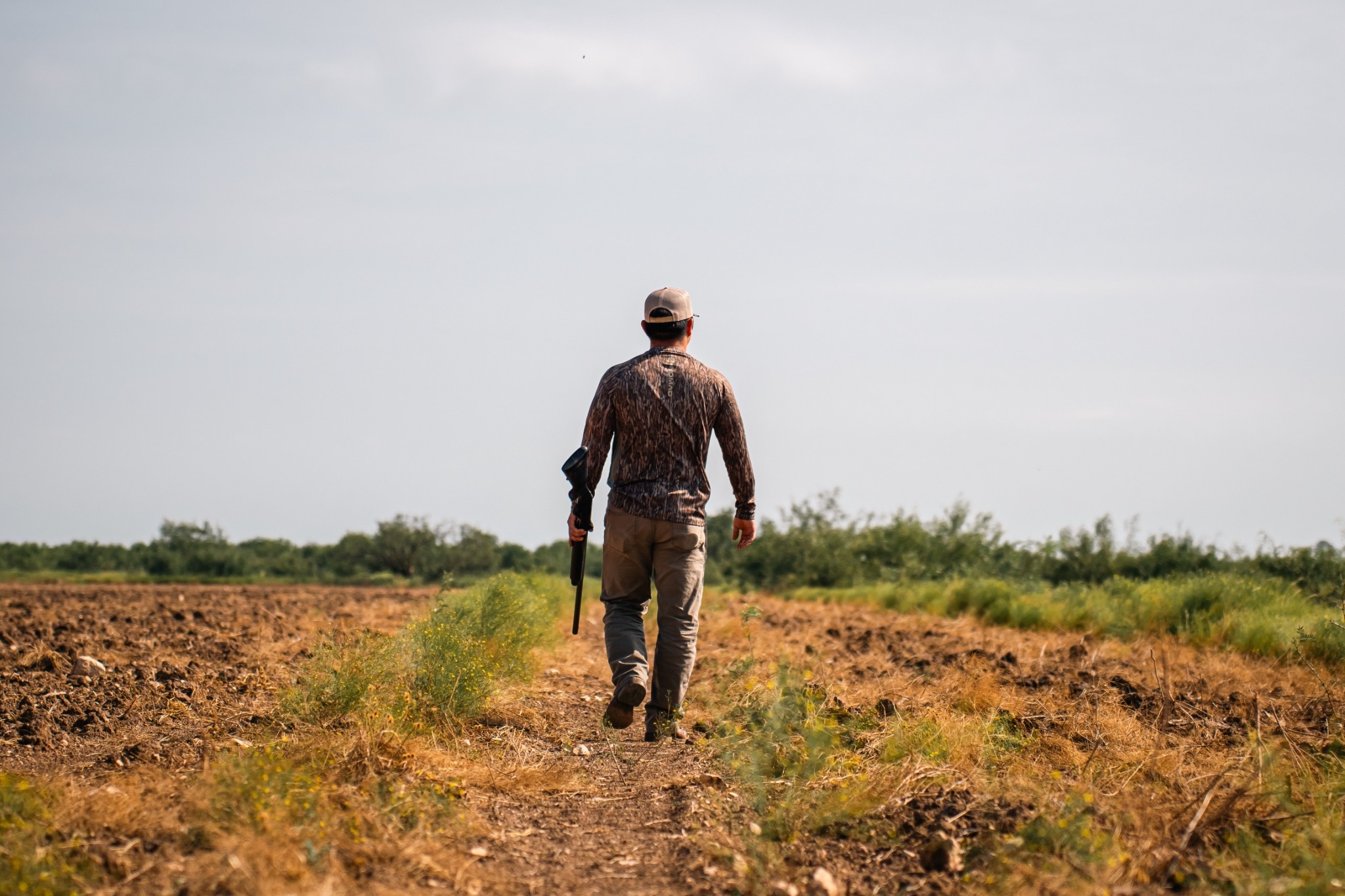
A strong hunting lease agreement protects landowners and hunters alike. Learn the key clauses, terms, and structures that create long-term lease success in Texas.
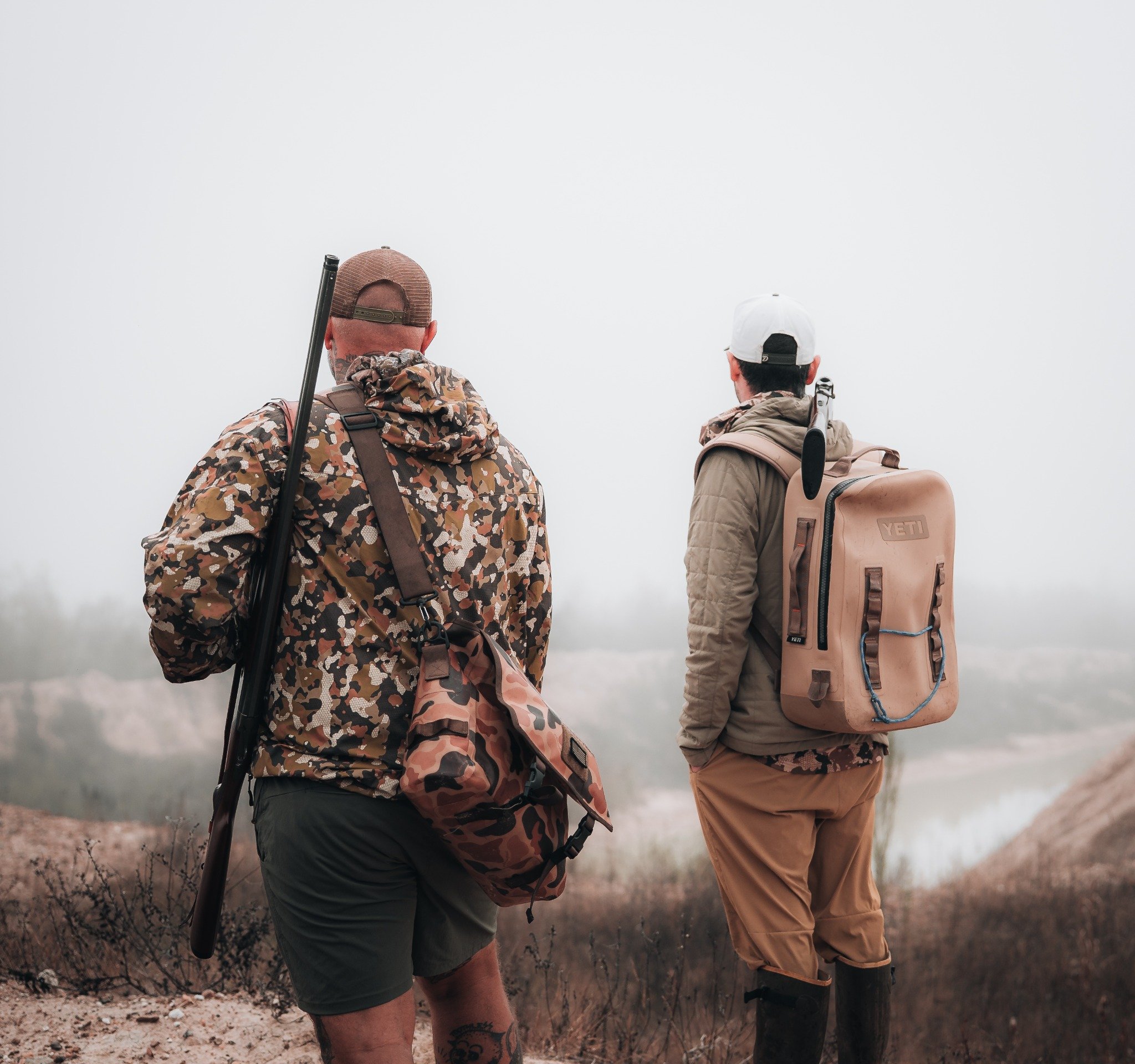
Private land hunting access is evolving. See how BirdDog connects hunters and landowners to unlock more acres and better outdoor experiences across Texas.
Tax season is a critical planning period for landowners, especially those who have recently acquired agricultural land or are actively managing cropland, rangeland, or timberland. One of the most impactful — and often misunderstood — tax opportunities available is Section 180 of the U.S. Internal Revenue Code, specifically through Residual Fertility deductions.
For generations, farmers and ranchers have understood that soil is one of their most valuable assets. Its fertility drives productivity, profitability, and long-term sustainability. Yet in the world of tax planning, soil fertility has long been overlooked as an asset with quantifiable value.

If you’re a landowner managing agricultural property, pastureland, or even hunting land, IRS Section 180 can be a powerful tool in your tax strategy. This provision allows landowners engaged in the business of farming to deduct expenses for soil and land conditioning—including fertilizer, lime, marl, or other soil amendments—as immediate expenses in the year they’re incurred.

Land is more than a legacy—it’s an income-generating asset, if you know how to tap into its full potential. Whether you’re managing farmland, timberland, or recreational acreage, the right approach can turn underused ground into long-term value.

USDA's CRP pays landowners to rest marginal acres. Learn how it works, what it pays, and key 2026 deadlines. Your land may qualify.
Discover the best spring hunting, fishing, and private land access opportunities of 2026. BirdDog connects landowners and adventurers across 3M+ acres nationwide.
Learn how Texas landowners build trophy largemouth bass populations — from Florida strain genetics and forage stocking ratios to water quality, selective harvest, and long-term pond management strategies.
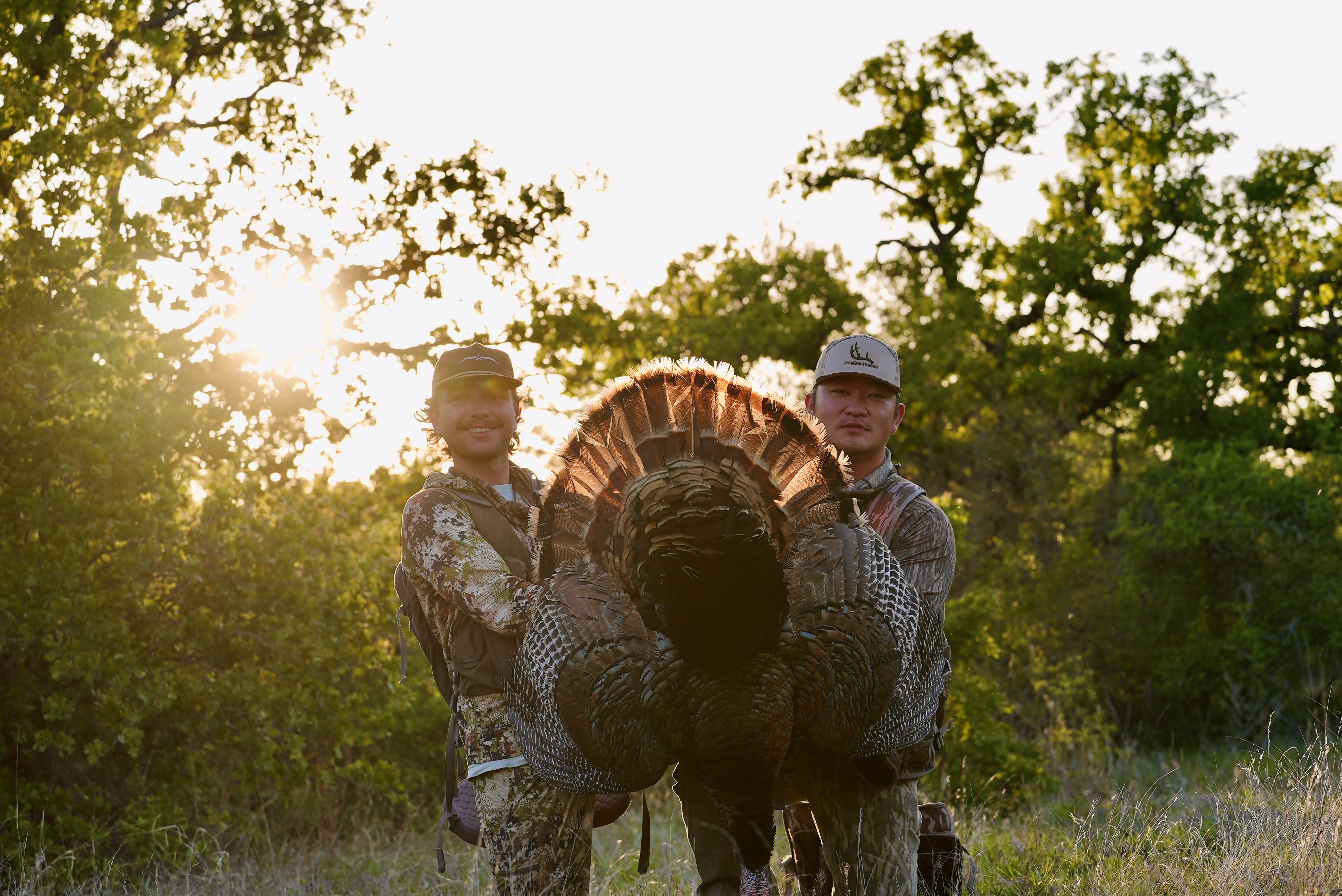
Spring turkey season in Texas is one of the best hunting experiences in the country. From locating Rio Grande gobblers in the Hill Country to calling tactics, gear tips, and finding private land access — here's everything you need to know before you head out this season.
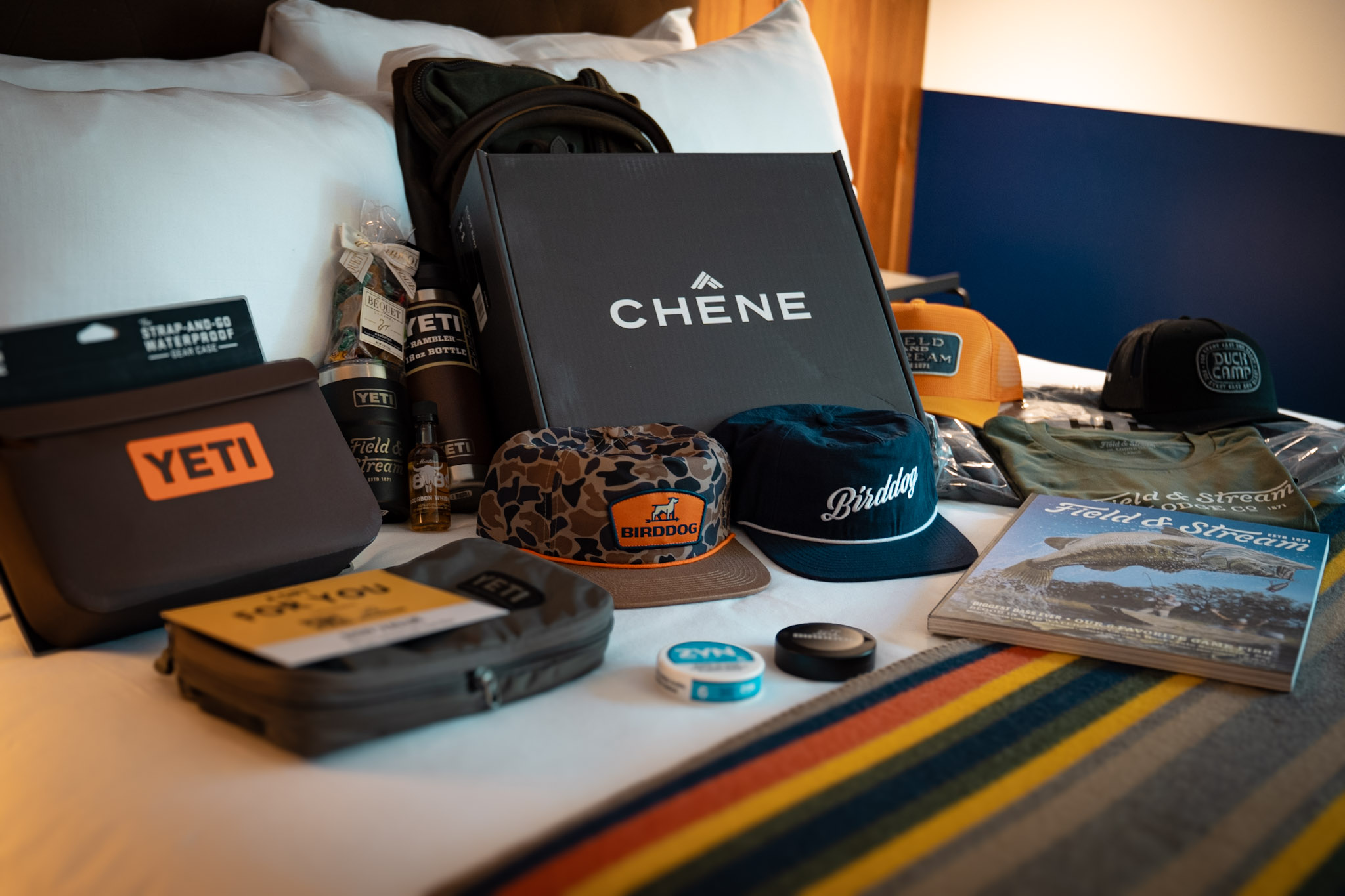
BirdDog hosted trips are fully curated fishing and hunting experiences built around expert guides, private land access, $500+ swag bags, and a group of people who take the outdoors seriously. From Gulf Coast fly fishing to Texas waterfowl and Montana upland — this is everything you need to know about what's included and which 2026 trips still have spots available.
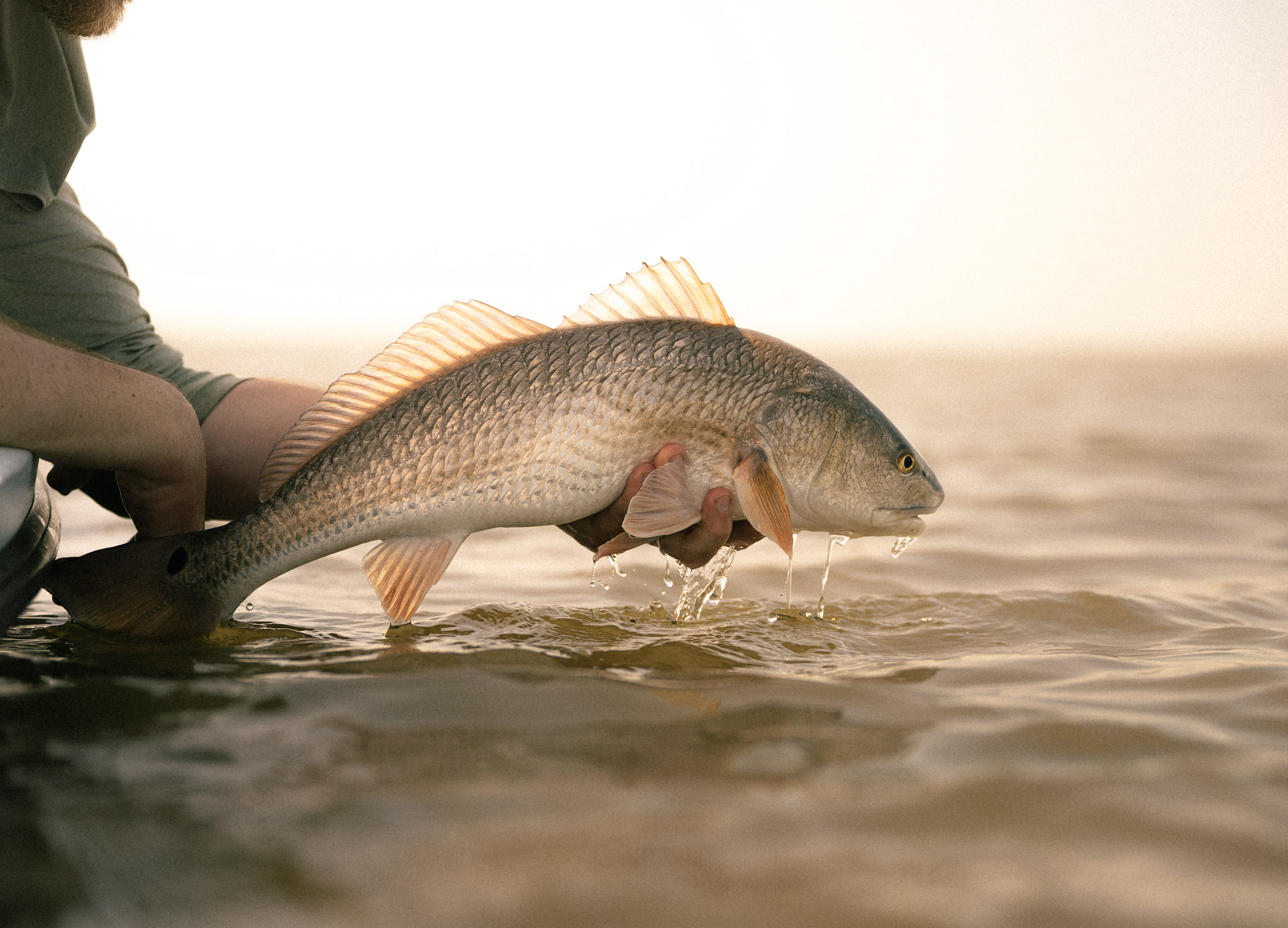
Learn the best early spring fishing strategies for river bass, stream trout, redfish, and speckled trout. Discover where fish go in spring, what lures to use, and how water temperature drives the bite.
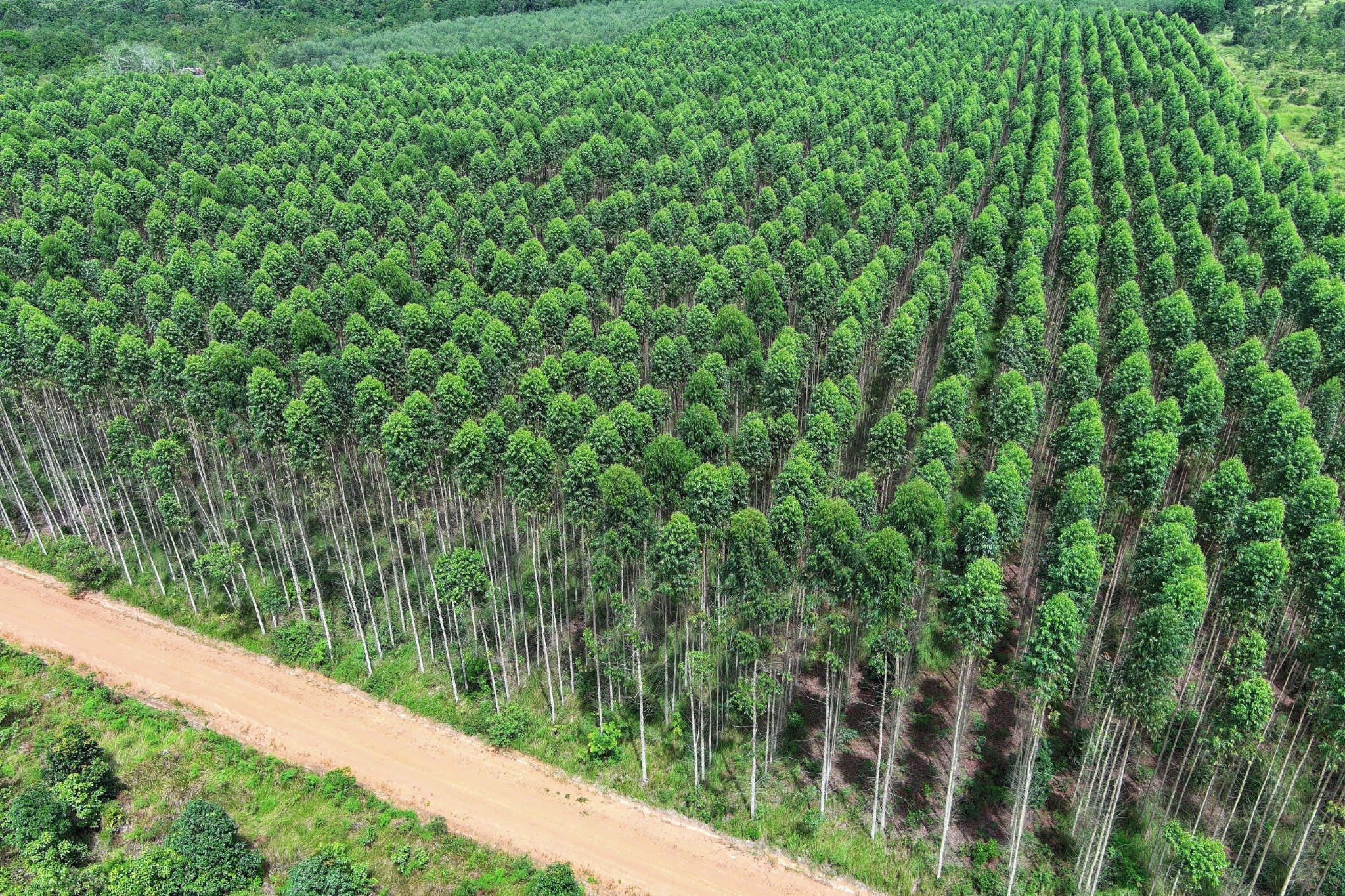
At BirdDog, we help timber landowners unlock a powerful but often overlooked tax benefit: deducting the value of excess residual fertility—the nutrients above optimum levels already present in your soil at acquisition. Through comprehensive soil testing, accredited agronomic analysis, and expert valuation, we document the measurable nutrient value in your timber ground, typically ranging from $750-$2,500 per acre depending on nutrient concentrations and land history.
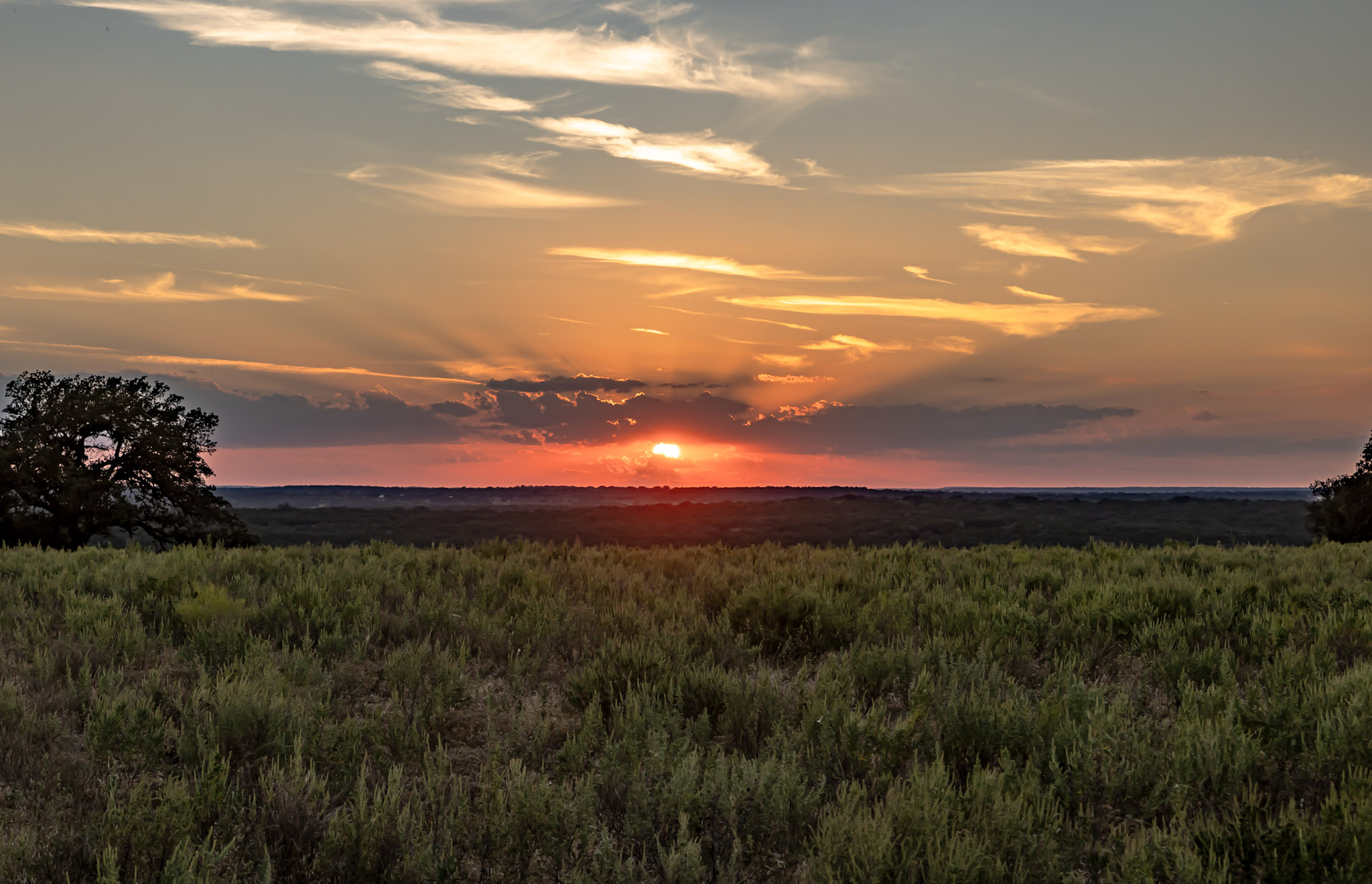
For generations, hunters have played a critical role in protecting wildlife habitat, supporting healthy animal populations, and funding conservation efforts across the country. Hunting is not just a tradition or outdoor recreation — it is deeply tied to land stewardship and the long-term health of our natural resources.
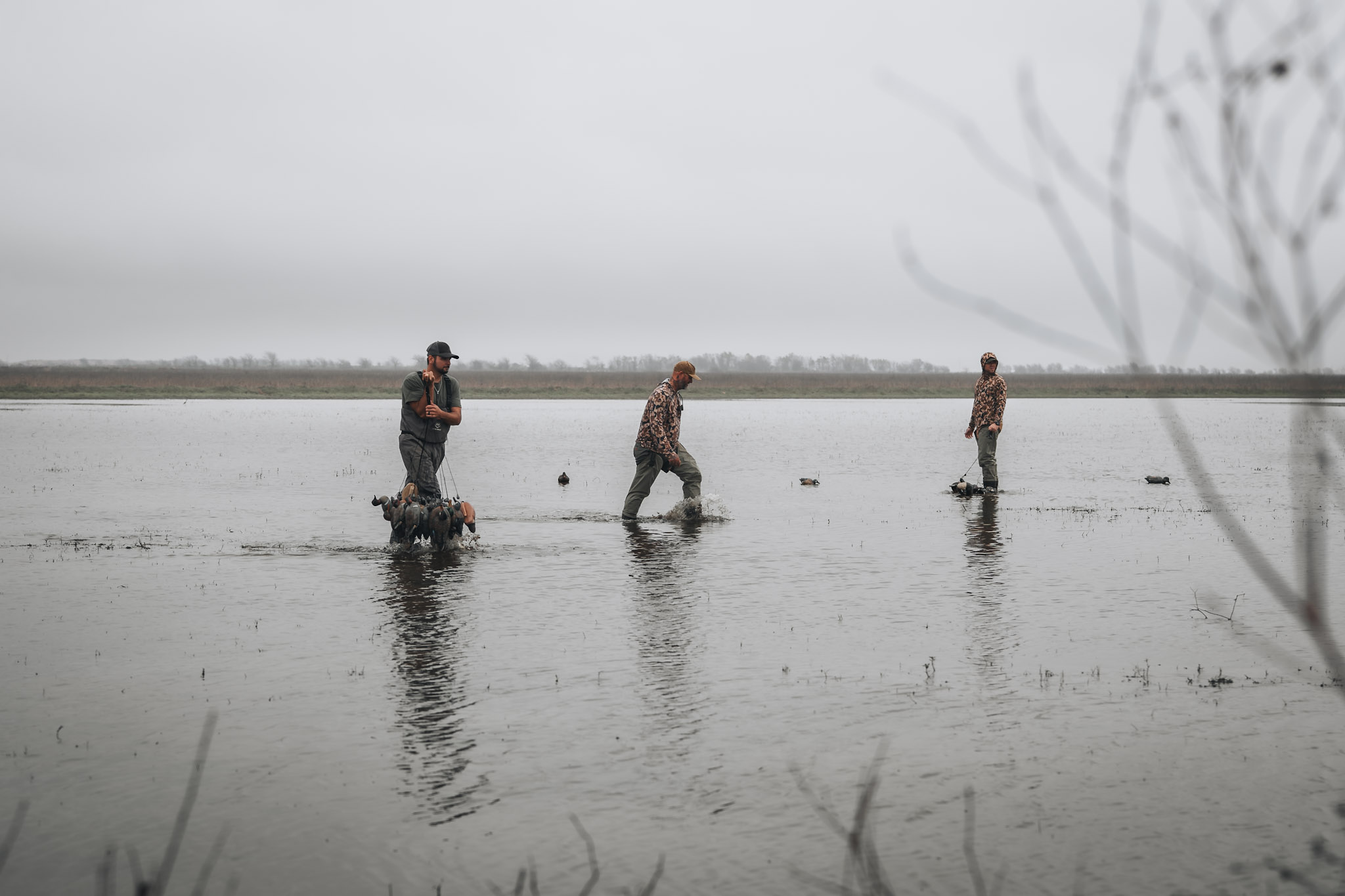
Late winter is one of the most important times of the year for wildlife habitat management in Texas. As hunting seasons wrap up and the landscape begins transitioning toward spring growth, smart habitat work now can dramatically improve forage, cover, and wildlife health for the entire year — setting your ranch or property up for long-term success.
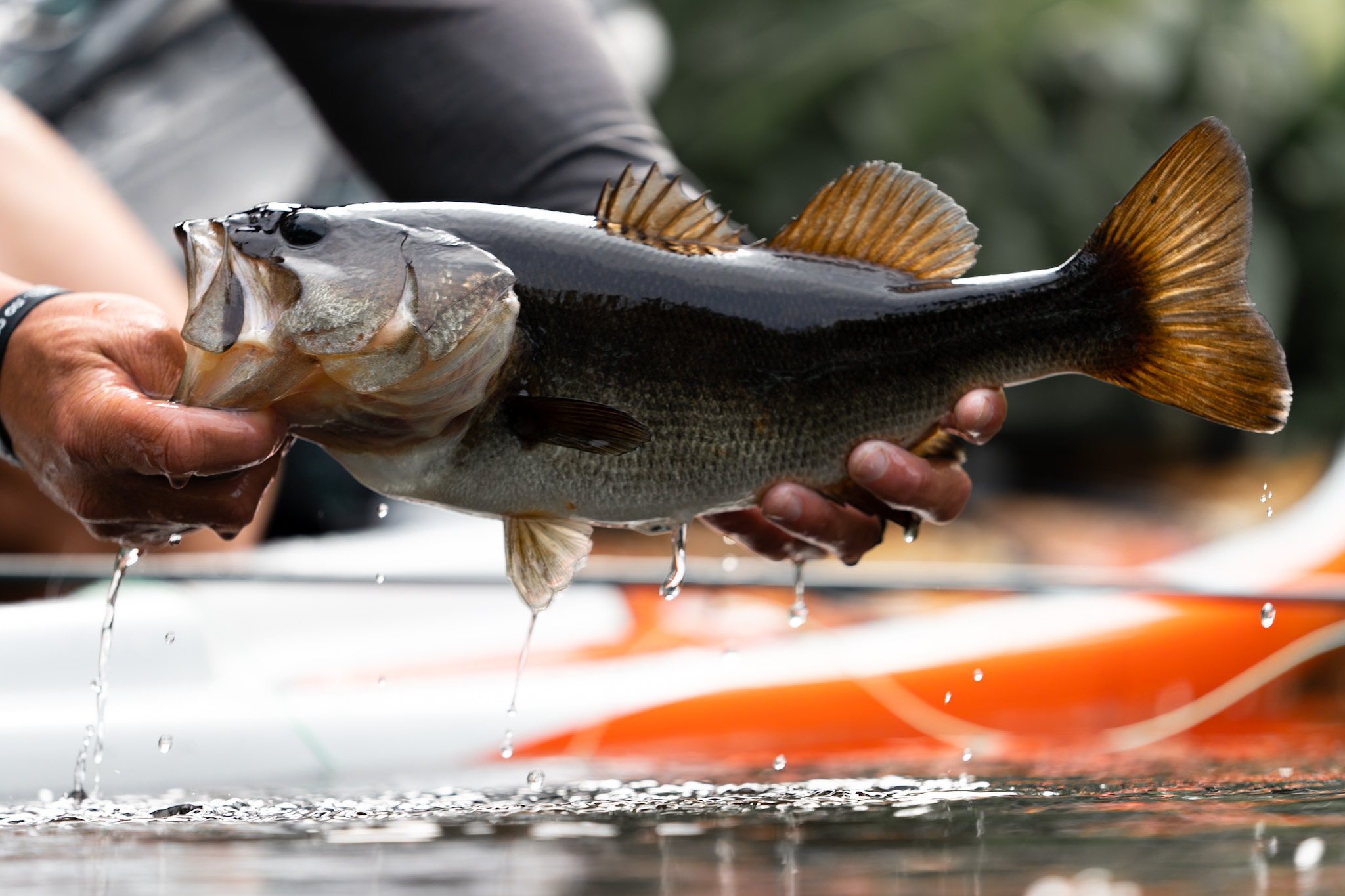
Winter pond management is one of the most overlooked — and most important — parts of maintaining a healthy bass fishery in Texas. While many landowners assume their pond “takes care of itself” once the weather cools down, the truth is that winter is when your pond sets the foundation for spring growth, forage success, and bass health.
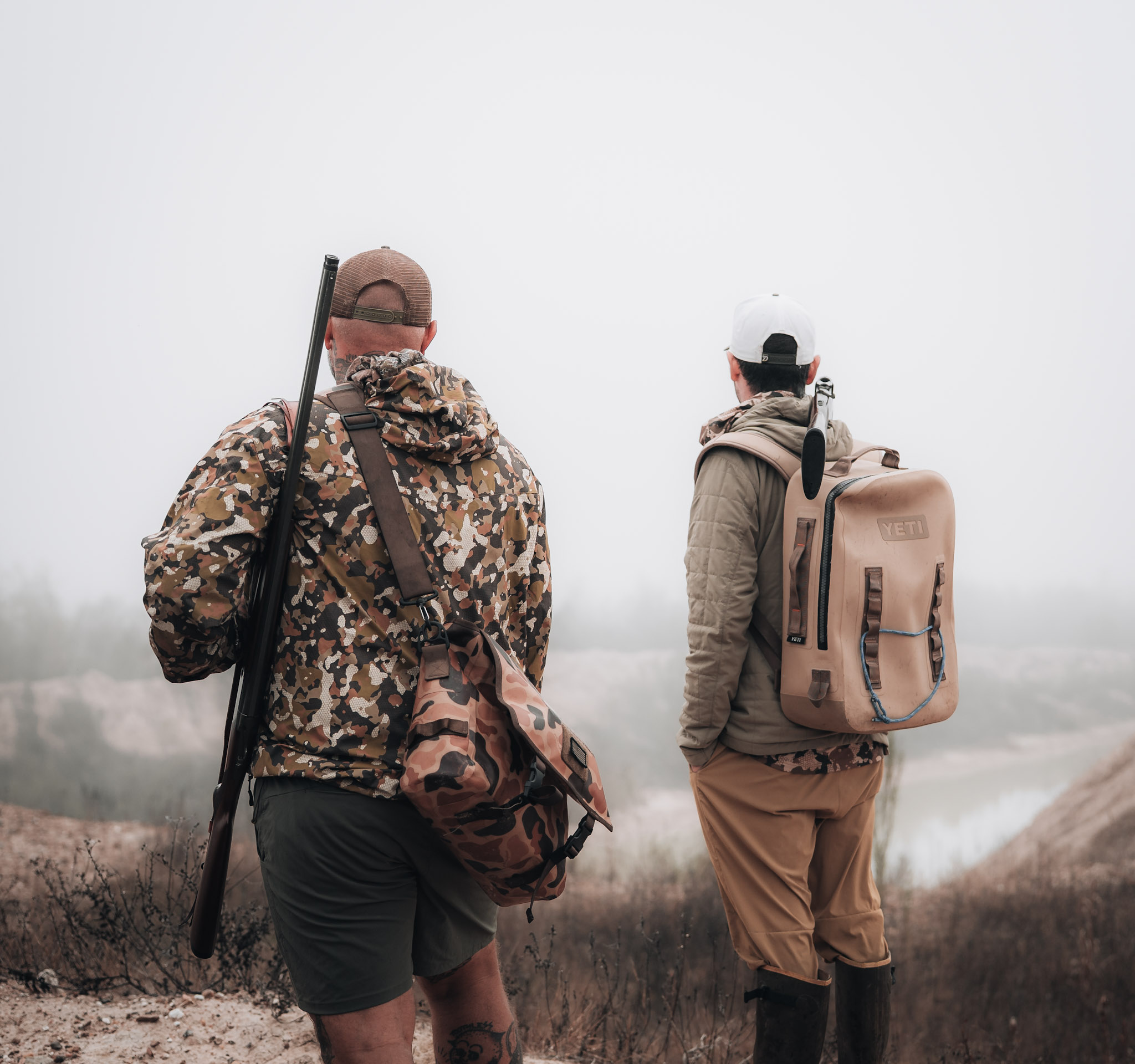
Late-season duck hunting can be one of the most challenging—and rewarding—times of the year. By January, ducks have migrated thousands of miles, survived multiple hunting seasons, and encountered nearly every decoy spread and calling sequence imaginable. These birds are smarter, more cautious, and far less forgiving of mistakes.
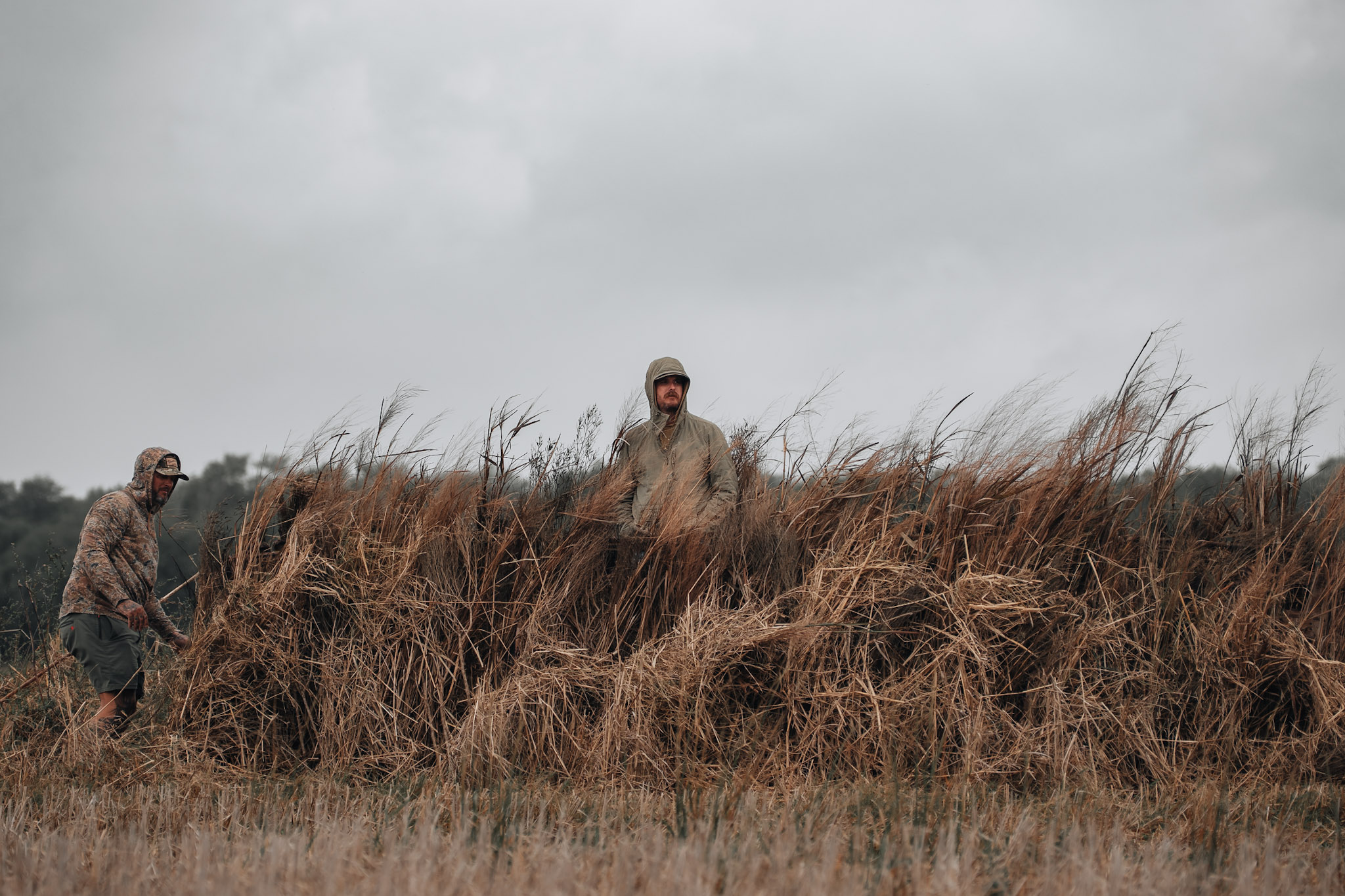
For many landowners, winter feels like the slow season. Hunting seasons wind down, fishing slows, and day-to-day ranch or property work often takes a back seat. But in reality, winter is one of the most productive and strategic times of the year to make improvements to your land—especially if you manage your property for hunting, fishing, or outdoor recreation.
Join Us
Whether you’re a landowner looking to maximize your property’s potential or an adventurer seeking your next great memory, BirdDog is here to help you put your land—or your passion—to work. Together, we’re redefining what’s possible in the great outdoors.
Private Property Hunting Experiences
BirdDog connects hunters with exclusive access to private properties, offering high-quality and abundant game, all-inclusive amenities, and unique outdoor adventures tailored to every skill level. Explore one-of-a-kind hunts, designed for those who seek unforgettable moments in the field.


